Blog Archives
202 ‘WOB’ Awards Since Opening Day – Find Out Who

‘Sully’ Baseball (Paul Francis Sullivan) hosts a 20 Minute Daily Podcast Every Day – 365 Days a Year – unless its a Leap Year – and then he is going to do another one.
check out Sully Baseball’s 20 Min Daily Podcast Right here
Don’t forget to Subscribe on iTunes HERE. RSS Feed here
WOB Stands For ‘Who Owned Baseball’ It is based on a Daily Look at the best players from the baseball games the day before. Our Lead Writer – Paul Francis Sullivan – (please call him ‘Sully’), keeps a running total for the yearly leaders every day – and we will update the standings here every day on this page..
Agree or Disagree with him on the players he selects – leave him a comment at info@sullybaseball.com. Follow him on twitter.
Follow @sullybaseball
So Bookmark this Page – and be part of the new phenomena of #WOB – If you reverse WOB it also means Players that take a BOW for being the best players of the night! Read the rest of this entry
Who Owned Baseball Yesterday (May 20th) – Updated Yearly ‘WOB’ Standings
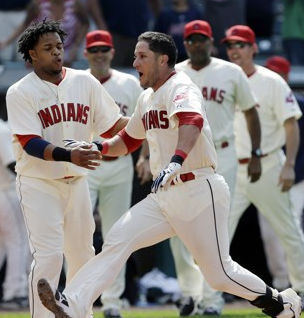
Yan Gomes hit a walk off, come from behind, 3 run homer in the bottom of the 10th to cap off a 3-5 day as the Indians won a bizarre 10-8 game over the Mariners.
R. A. Dickey pitched 8 strong innings letting up only 4 hits and 2 earned runs as the Blue Jays got a much needed win over the Rays, 7-5.
Brandon Belt went 4-5, homering and scoring 4 times as the Giants demolished the Nationals 8-0.
And Patrick Corbin threw his first career complete game, improving to 7-0, as he let up only 3 hits and 1 run in Coors Field, striking out 10 for the Diamondbacks 5-1 win over the Rockies.
They all owned baseball on May 20th, 2013
My explanation for “Who Owns Baseball” can be found here.
At the end of the year, we will tally up who owned baseball the most individual days and see how it compares to the final MVP and Cy Young vote.
To view the Yearly Leaders for Who Owned Baseball Standings – Click the READ THE REST OF THIS ENTRY ICON .
.
To View The List of just the nightly winners (WOB dedicated Page) starting from Mar.31/2013 – today click here Read the rest of this entry
Who Owned Baseball Yesterday (May.19) – Updated Yearly ‘WOB’ Standings

In a losing cause, Miguel Cabrera hit three homers, reached base 5 times, scored three and drove in 5 runs. (His critics would point out that he made an error.) Despite his best efforts, the Tigers lost to Texas 11-8.
Matt Moore pitched seven terrific innings, holding the Orioles to a single run. The Tampa Bay Rays won 3-1 and swept a series in Baltimore that could come back to haunt the Birds later.
Carlos Gonzalez got on base four times and got RBI hits in the first and fifth as the Rockies blanked the Champion Giants 5-0 in Coors Field.
And Ricky Nolasco pitched 8 strong innings, letting up only 1 run and struck out 11 as the Marlins enjoyed a rare win, 2-1 over the Diamondbacks.
They all owned baseball on May 19th, 2013
My explanation for “Who Owns Baseball” can be found here.
At the end of the year, we will tally up who owned baseball the most individual days and see how it compares to the final MVP and Cy Young vote.
To view the Yearly Leaders for Who Owned Baseball Standings – Click the READ THE REST OF THIS ENTRY ICON.
To View The List of just the nightly winners (WOB dedicated Page) starting from Mar.31/2013 – today click here Read the rest of this entry

The Marlins Should Promote Christian Yelich Now
Like us on Facebook here
Sunday, May 12th, 2013
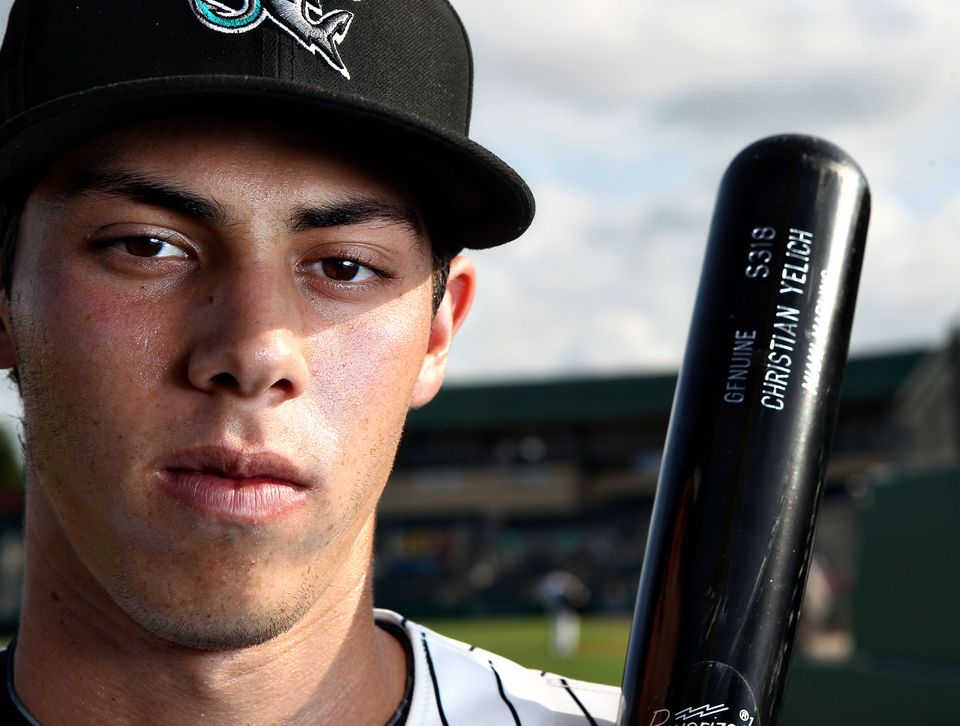
“After being ranked as the No. 1 prospect in the Marlins farm system by Baseball America coming into 2012, Yelich hit .330 in High-A with a .922 OPS. Most scouting reports have him again as either the No. 1 or No. 2 prospect in the Marlins system. Yelich cracked both Baseball America and Keith Law’s top 50 prospects coming into 2012 and by mid-season Yelich had jumped into Law’s top 15 prospects (No.12). If he cmarcellan stick in centerfield, he could be a huge asset for the Marlins as they build a foundation around an outfield of Stanton, Yelich and Jake Marisnick, who was acquired in the Reyes deal. He could offer a very steady compliment to Stanton right now based on his performance at Double-A He is not a power hitter as of yet, but his body projects as one that can fill out over time and gain strength.” Nicholas Rossoletti – (MLB Reports Writer)
Sam Evans ( Baseball Writer and Marlins, Mariners Correspondent): Follow @RJA206
The Marlins have turned heads all over baseball for their controversial promotions of young, inexperienced prospects over the last couple months. So far, the clubs decisions couldn’t have turned out much better. Marcell Ozuna is holding back at the plate, and it’s led to 13 hits in 45 at bat’s in 11 games.
Jose Fernandez looks like a serious N.L. Rookie of the Year candidate with his 3.15 FIP in seven starts and 39 strikeouts in only 37 innings. So with these two top prospects shining at the Major League level, why wouldn’t the Marlins bring up another elite prospect that will keep fans coming to the ballpark and plays a position of need?
Christian Yelich has proven he’s ready for the Majors and the Marlins would be silly not to call him up in the next week or two.

Yankees Update: Week 4 – The Injuries Mount Yet They Are Still The Bronx Bombers!
Like us on Facebook here
Follow @mlbreportsWednesday May 1,2013
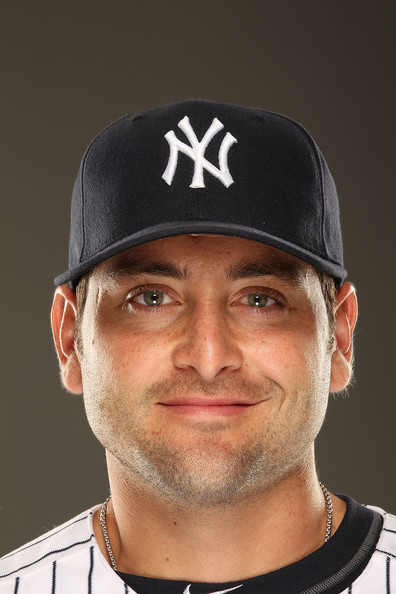
After a hot start to the 2013 campaign, Francisco Cervelli has broken his hand and added his name to the long list of Yankee injuries in 2013. The man worked his way back to the Majors and won the Yankee starting job out of training camp. Now only time will tell whether Cervelli can return from injury with the same skill that he opened the season.
By Nicholas Rossoletti (Yankees Correspondent/Trade Correspondent): Follow @nross56
The end of April was supposed to signal the beginning of the end of the Yankee injury woes. Upon breaking camp, it was thought that Derek Jeter, Curtis Granderson and Mark Teixeira would all be returning in the next week or two.
Now, it has become clear that the Yankee injury woes are just beginning.
As discussed in last week’s piece, Jeter’s set-back already has extended his time table until the middle of July at the earliest. Big Tex has been unable to meet his time table as well and is not prepared to take live swings yet.
Granderson is the only player on track to return from injury based on the original timeframe. Grandy is slated to return in at some point in May.
Frankie Being Frankie:
Read the rest of this entry
The Miami Marlins Are Clearly The Worst Team In Baseball
Like us on Facebook here
Sunday, April 28th, 2013
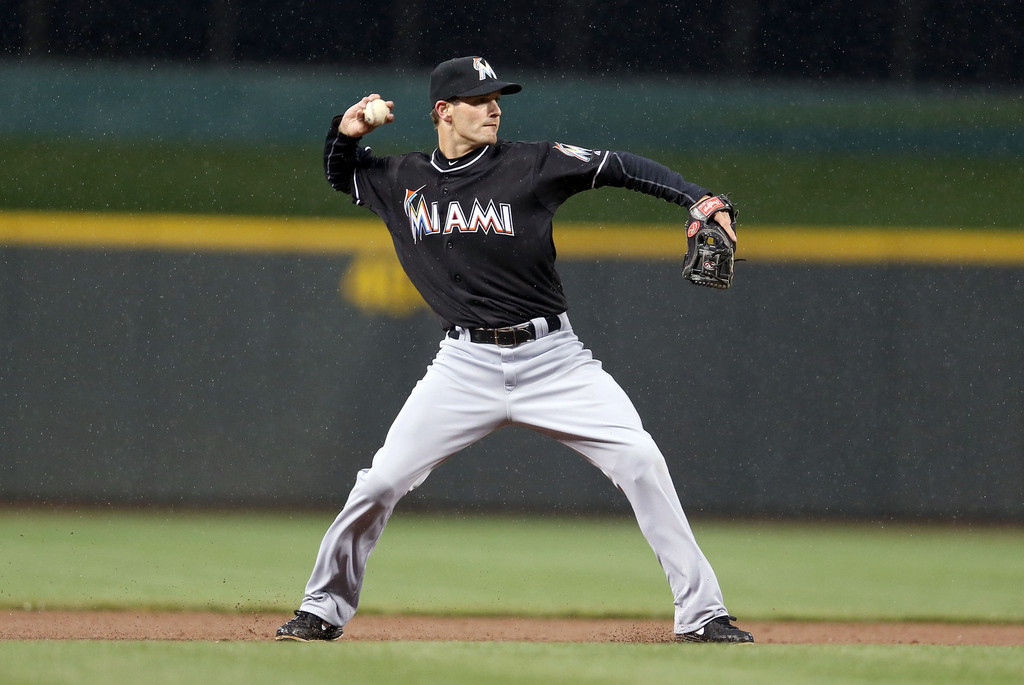
Nick Green, 34, has a career .303 OBP in the Majors. He has been forced into duty as the Marlins starting Shortstop with Adeiny Hechavarria on the DL. The Marlins continue to use journeyman Veteran players in many of their main positions. Along with the Houston Astros, Chicago Cubs and San Diego Padres, all of them are nearly on pace to lose 100 games this year. This Marlins team might even approach the 1962 Mets for the worst amount of defeats ALL – Time. This club is not doing well at the turnstiles either – drawing just 19600 fans to an MLB Park that is in just its second year (down almost 8 K fans per game from last year.)
By Sam Evans (Baseball Writer): Follow @RJA206
The 2013 Marlins are the most painful team in baseball to watch. With a lineup filled with washed up Major Leaguers – and young players struggling to keep their heads above water in the big league, the Marlins have struggled to score any runs this year. Despite having played 24 games, the club has only managed to hit 7 Home Runs.
The Miami Marlins are without a doubt the worst team in the MLB right now – and the 2013 season is going to be unfathomable experience for even the most optimistic Miami fan, but there are signs of hope in their youth.
Miami Marlins Outfielder Austin Kearns Hospitalized
Like us on Facebook here
Sunday, April 14th, 2013
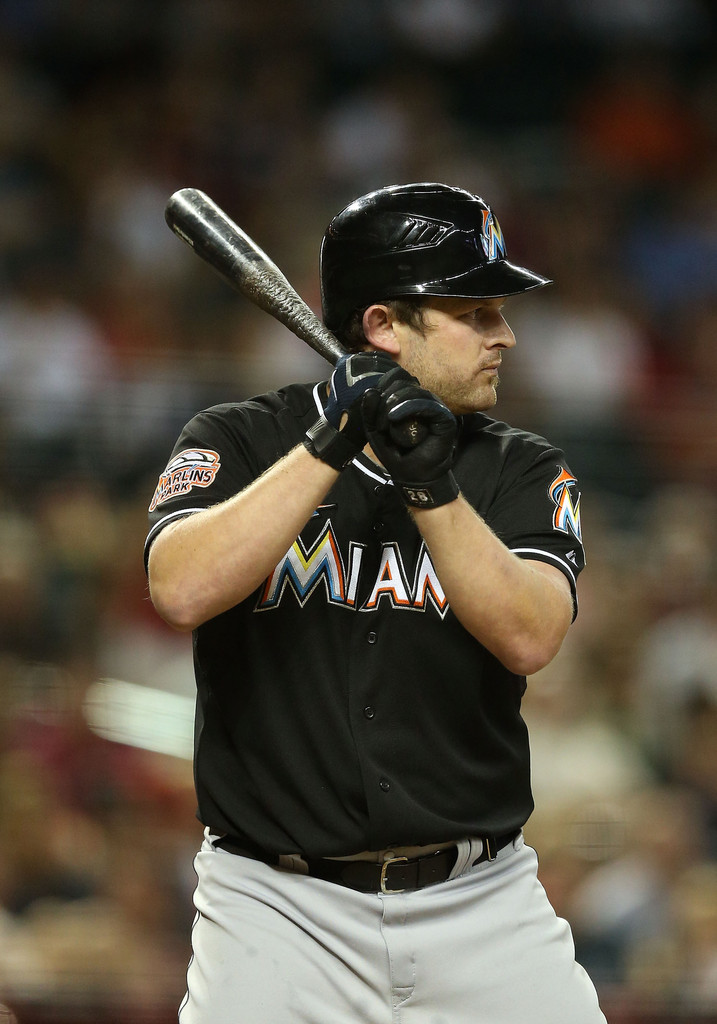
Austin Kearns has been hospitalized for an irregular heart rate.
By Sam Evans (Marlins Correspondent): Follow @RJA206
A few hours before the Marlins took on the Phillies Sunday afternoon, the news broke that Austin Kearns was being taken to the hospital for an irregular heartbeat. Kearns, 32, has been said to be doing just fine. Nonetheless, anytime an athlete still in their prime has heart problems it is a scary reminder of what can happen.
The injury-plagued Marlins now have two of their Outfielders, Kearns and Giancarlo Stanton, unable to play for the time being. For a team that is already struggling to be even close to mediocre, this is another defeating blow. Kearns will be hospitalized overnight as doctors attempt to figure out just what happened.
The Austin Kearns Story:

Astros Opening Day Dilemma At Minute Maid Park
Like us on Facebook here
Follow @mlbreportsThursday, March.14/2013

Minute Maid Park is jacking up ticket prices for Opening Day.
By Richard Perez (Astros Correspondent): Follow @yokorick
A recent flame war has started on the web recently, Twitter to be specific, and people are upset about the Astros Opening Day ticket prices have been doubled. Why would they do that, you ask? Because this night is going to be the biggest night for the Houston Astros baseball club as far as marketing goes.
This, quite honestly, is much more than just another Opening Day baseball game. ESPN is going to broadcast it on national television; furthermore, if you asked yourself “why in the world would ESPN want to air an Astros game on national TV” when it first was announced, I’ll explain why.
As I just stated, this is MORE than just a baseball game, this is the very first game of the Astros’ inaugural season in the American League. A historic event for the franchise regardless of the product out on the field. This is about the franchise as a whole, not just what the analysts deem a team destined for a third straight one hundred loss season.
For those casual fans who want to just see a cheap baseball game, there will be 80 more games played this year in Minute Maid Park, go see one of those games.
Minute Maid Park Roof Opening:

Ricky Nolasco: Should Marlins Deal Him Or Keep Him For 2013?
Like us on Facebook here
Tuesday March 5th, 2013

Nolasco might be the next guy to be traded for more prospects. The man has a Career Record of 76 – 64 (.543) with a lifetime ERA of 4.49 in 7 seasons for the Marlins. However, despite a higher ERA – he does not walk that many hitters (2.1 BB / Per 9 IP) – and his SO Ratio is 7.4 / Per 9 IP. He might be able to help a team that is playoff bound in 2013. The Marlins will not offer him a 1 YR Free Agent deal to retain a Draft Pick – so it is either deal him or lose him for nothing at the end of the campaign.
Bernie Olshansky (Baseball Writer): Follow @BernieOlshansky
The Miami Marlins are in a state of disrepair. 2012 was meant to be their return to contention with the signings of Jose Reyes, Mark Buehrle, and Heath Bell. A healthy Hanley Ramirez and Giancarlo Stanton were meant to provide power to the lineup that supported the pitching staff anchored by Josh Johnson and Ricky Nolasco.
The excitement of the new-look team combined with the anticipation of the new stadium. Unfortunately, the Marlins had a terrible season and shipped Hanley Ramirez to the Dodgers, and every notable player except Giancarlo Stanton and Ricky Nolasco to the Blue Jays, most notably.
Ricky Nolasco Warming Up:

New York Yankees Player Roster In 2013 Part 2 – The Pitchers: State Of The Union
Like us on Facebook here
Follow @mlbreportsMonday, March 4, 2013

The Yankees come into 2013 relying more on pitching and defense than in previous seasons. This incarnation of the Yankees will only go so far as their pitching can carry them.
By Nicholas Rossoletti (MLB Reports Trade and Yankees Correspondent): Follow @NRoss56
Allow me to re-introduce myself. I have spent the last three months discussing the Marlins, Astros, Mariners and the off-season trades. I have loved every second of it, and I appreciate my readers more than you will ever know. That being said, today I undertake something that has always been a dream. Today, I begin a journey where I get to do something that the 14 year old me always wanted to do. Today, I take over as the Yankees correspondent, which is a fancy term for a guy who gets to write about his favorite baseball team. Some of my most vivid memories of my past relate to the Yankees. I will never forget the moment that ball fell into Charlie Hayes‘ glove. The pure joy of the first time my team would be called world champions.
Embracing my Dad in a bear hug as we celebrated something that meant so much to the both of us. Since then the Yankees have provided endless enjoyment as I watched a dynasty grow up as I grew up. Now, it has come to a point where the Yankees face their championship window closing. It happens to all great teams, but the question that hangs in the balance is whether the window is already closed or can the Bombers come up with another magical season before this generation fades? We will try to answer that question starting with the Yankee pitchers.
CC Sabathia Highlight Reel:

Miami Marlins: Defending Jeffrey Loria
Thursday November 22nd, 2012

Bernie Olshansky: What the Marlins had to do this offseason is horrible. Last year, the Marlins raised the hopes of the fans with a rejuvenated logo and uniforms, a new stadium, and most of all a new-look team. Last winter, Marlins management made a commitment to the fans to provide a contending team for the years to come. They went out and signed Jose Reyes for seven years. He and Hanley Ramirez were supposed to serve alongside Giancarlo Stanton as the core of the team for almost the next decade. To build on the Reyes signing, the Marlins also inked pitchers Mark Buehrle and Heath Bell. Ozzie Guillen also jumped aboard and was set up to be a lovable manager. With this spending spree, the Marlins brought a lot of excitement to South Florida and were supposed to be a major contender in the NL East.
Unfortunately this was not the case. The Marlins quickly faltered and Ozzie Guillen was immediately under the spotlight for his comments about Fidel Castro. Fans were already calling for Guillen to be fired. The team’s performance was not helping. I personally attended the second home game at Marlins Park against the Astros. Although it was against the Astros, any team that spends as much money as the Marlins did in the offseason should have a packed house at their second game of the season (in their new stadium!). The stadium was full, but not sold out. I was hoping that this was not a sign of things to come, but it was. The Marlins continued their spiral downward and talks of trades began. Heath Bell was the opposite of what the Marlins signed him to be and lost his job as closer. Both Reyes and Ramirez slumped. The Marlins needed to make some moves.

Melk! It’s Good For Your Outfield: Where Does Toronto’s New Outfield Stand?
Thursday, November 22nd, 2013

Photo Courtesy of bleacherreport.com
Alex Mednick (Baseball Writer and Analyst)
Since the Blue Jays and Marlins blockbuster trade, there has been a lot of discussion about Jose Reyes, Josh Johnson and Mark Buehrle. Jose Reyes is going to have an amazing presence at the top of the lineup, getting on base, steal bases and playing beautiful shortstop on the left side of the infield with Brett Lawrie for the Blue Jays ground ball pitchers. Josh Johnson and Mark Buehrle immediately make the Blue Jays rotation a top rotation in all of baseball by being inserted in. Effectively, they got two top of the line starters to create an elite rotation that makes them serious contenders.

2012 Braves Pitching Staff: What’s Going on in Atlanta?
Friday August 17th, 2012
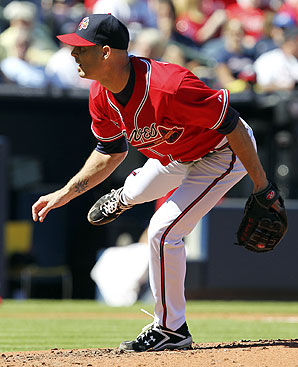
Bernie Olshansky: As of today, the Atlanta Braves sit four games out of first place in the NL East. This division was supposed to be the strongest in baseball. The Nationals made moves in the offseason to acquire Gio Gonzalez, the Marlins signed three big name free agents to go along with the core of Hanley Ramirez and Giancarlo Stanton, and the Phillies kept their strong pitching staff intact. The Braves didn’t make any huge moves and stuck with what they had—a strong hitting lineup to back up a good pitching rotation. The Braves started the season with Tim Hudson, Jair Jurrjens, Tommy Hanson, Brandon Beachy, and Mike Minor as their five-man rotation. Jurrjens was coming off a strong 2011 campaign in which he posted a 2.96 ERA through 152 innings. The Braves were hoping Jurrjens could replicate last season’s performance in order to give the team a better outcome and hopefully make the playoffs.
Unfortunately this was not the case for Jurrjens. He has been awful this year, going 3-4 with a 6.89 ERA. This isn’t the performance the Braves were hoping for, but somehow they are able to manage. Tim Hudson, the oldest on the staff at 36, has a 3.59 ERA to go with a 12-4 record. Tommy Hanson hasn’t been his best this year with a 4.29 ERA in 22 starts (his record is a bit deceiving at 12-5). He has also spent some time on the DL. The real story this year is Ben Sheets. After missing some of the 2010 season and not playing all of last year, Sheets joined the Braves midseason and has been fantastic. In his six starts this year, Sheets has gone 4-2 with a 2.13 ERA. In his 10-year career, Sheets’ best was 2004, when he posted a 2.70 ERA while going 12-14 with the Brewers. If he can keep his performance up, Sheets will have the best year of his career at age 34 (half a season, but still).

Giants and Dodgers: Who Will Take the N.L. West Crown?
Thursday August 2nd, 2012

Bernie Olshansky: Now that each team is for the most part set going into the final stretch, the NL West is up for grabs. The Dodgers were the most prominent buyer this year and the Giants didn’t stand idly by. Los Angeles acquired Hanley Ramirez, Shane Victorino, and Brandon League, and the Giants got Hunter Pence. Before any deals were made, I would say the Giants had a better overall team. But after getting some of the best talent that was made available at the non-waiver trade deadline, the Dodgers might have grabbed a slight edge. Both teams may still make more moves before the year is done, but at this point the N.L. West race will be coming down to the wire.
The Giants
With arguably the best pitching staff in the whole National League, the Giants have a great advantage in pitcher-friendly AT&T Park. This year with Tim Lincecum in a bit of a funk, Matt Cain leads the strong staff including Ryan Vogelsong, Lincecum, Madison Bumgarner, and Barry Zito. Heading into this season, Barry Zito was the weak link, going 9-14 with a 4.15 ERA in 2010, and 3-4 with a 5.87 ERA in 2011. Zito was left off the playoff roster in the Giants’ World Series-winning season in 2010. This year has been a good one for Zito—he’s 8-7 with a 3.89 ERA in 20 starts. The weak link in the pitching staff this year has been Tim Lincecum. He is 5-11 with a 5.62 ERA, but has shown some signs of coming out of his season-long slump. If he can replicate some of last season or his performance in the 2010 playoffs, the Giants will have no problem making the playoffs. Read the rest of this entry

2012 Trade Deadline Update #8 7/31: Final Deals: Victorino, Pence, and More
Tuesday July 31st, 2012
Bernie Olshansky: What a busy day! Here are the last of the major deals that led up to the 4:00 p.m. eastern time deadline:
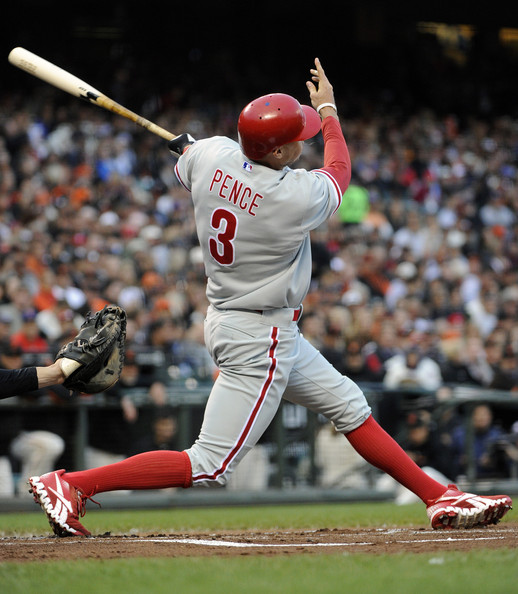
Hunter Pence to the Giants
The Giants and Dodgers are in a tie for first in the NL West as of today. Leading up to the deadline, the Dodgers have acquired Hanley Ramirez, Shane Victorino, and Brandon League. With the Dodgers making such big moves to add to their offensive lineup, the Giants needed to get a big bat. Hunter Pence is the solution the Giants were looking for, hitting .271with 17 homers and 59 RBI. For Pence and cash considerations, the Giants sent outfielder Nate Schierholtz, minor league catcher Tommy Joseph, and minor league pitcher Seth Rosin. This year, Schierholtz hit .257 in 196 plate appearances. Joseph hit .260 in 335 plate appearances in Double-A, and Rosin held a 4.31 ERA in 56.1 innings in Single-A. I love this move for the Giants. Already with Pablo Sandoval (on the DL now but expected back soon), Melky Cabrera, and Buster Posey in the lineup, the Giants look good. Now with Hunter Pence, they will put up some serious competition to the Dodgers for the NL West crown. The Phillies also get some good talent. Nate Schierholtz never really made it with the Giants, so hopefully he will get a fresh start in Philadephia. Tommy Joseph also was a highly regarded prospect in the Giants organization, and he looks like he will be the catcher of the future. Read the rest of this entry

2012 Trade Deadline Update #3 07/25: HanleyWood: Hanley to the Dodgers, Wandy, and More
Wednesday July 25th, 2012
Bernie Olshansky: Some more trades came down, including one exciting blockbuster to report. One of the biggest names though that was supposed to be traded will now be staying put. Cole Hamels, the Phillies great young left-handed starter is expected to re-sign for 6-years and $144 million. But even with Hamels off the market, the trade winds are in full swing. Hold on to your hats…this is HUGE:
Hanley Ramirez to the Dodgers
Another blockbuster deal. Announced late Tuesday night/early Wednesday morning, Hanley Ramirez is headed to the Dodgers with reliever Randy Choate for pitchers Nathan Eovaldi and Scott McGough. There were rumblings about a possible trade of Hanley, and it ended up happening. Hanley will start fresh on the west coast as the Dodgers are battling with the Giants for the NL West crown. The Dodgers started off hot with Matt Kemp leading the charge. Kemp went down with a hamstring injury and was re-injured in his first game back. After another DL stint, Kemp came back right after the All Star Break. Andre Either also had some time on the DL with an oblique injury, but he has since come back. Now, both are healthy and poised to help the Dodgers on a run down the stretch. With Clayton Kershaw and Chad Billingsley heading the pitching staff, one of the Dodgers’ weakest positions was third base. Juan Uribe, the main third baseman for the Dodgers this year, is hitting a weak .190 with just two homers and 17 RBI. Dee Gordon, the primary shortstop and currently on the DL, is hitting .229. Needless to say, the Dodgers needed some help on the left side of the infield. Read the rest of this entry

2012 Trade Deadline Update #2 7/23: Ichiro in Pinstripes, Anibal and Omar to the Tigers?
Monday July 23rd, 2012
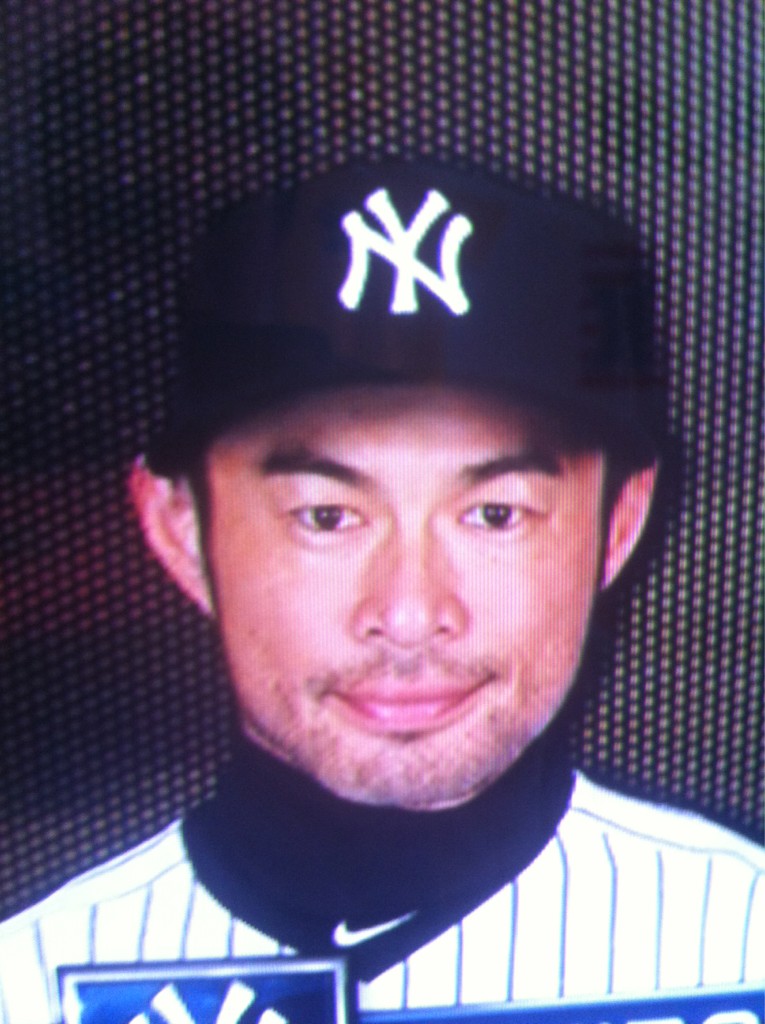
Bernie Olshansky: Over the past few hours, a couple of big trades have gone down. Here’s my take on them:
Ichiro to the Yankees
Wow. What a day. At about seven p.m. EDT, the Mariners and Yankees announced a swap that involved Ichiro for two minor league pitchers and cash. Sure I expected some blockbuster trades, but this? Ichiro was an icon for the Mariners. He broke the all-time hits in a season record for the Mariners and helped them win 116 games in 2001. Ichiro was an excellent player to say the least. He hit .322 over his 12 seasons with the Mariners and will most likely enter the Hall of Fame. But, over the past two years, he’s lost a little bit of luster. He’s slowed down a bit due to his age, and has stopped hitting over .300. Last year he hit .272 and had less than 200 hits for the first time in his career. This season, he’s hit an even worse .261. The Mariners have struggled over the past years and were definitely in need of a move. They acquired Jesus Montero from the Yankees this offseason in a trade for Michael Pineda, but Montero hasn’t exactly caught fire. Read the rest of this entry

The Return of Carl Crawford: What to Expect From This Battered Superstar?
Thursday July 19th, 2012
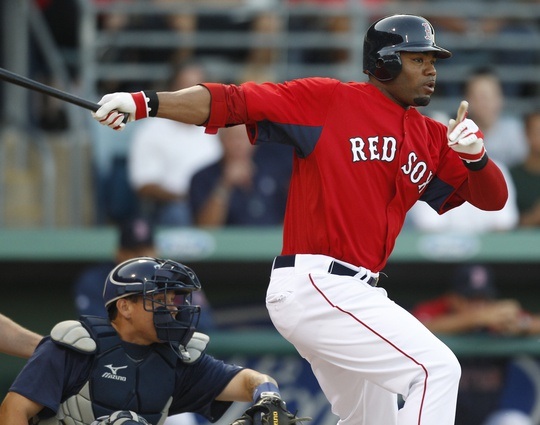
Bernie Olshansky: Carl Crawford undoubtedly has the potential to bring some extra oomph to the already powerful Red Sox lineup with his long-awaited return from the disabled list. Hopefully this Carl Crawford will be the guy the Red Sox hoped he would be when he signed with them. In his last year with Tampa Bay, he hit .307 with 19 homers and 90 RBIs, along with 47 stolen bases. Crawford is a .293 hitter over his career that started in 2002. This is what the Red Sox were hoping to get when they signed him in December of 2010 for a 7-year $142 million contract. So far, this contract has been a disaster. Last year, in his first year of the contract, Crawford hit a paltry .255—38 points less than his career average. Also, Crawford only played 130 games—which was rare for him, as he’s only played less than 140 games one other time (not including his rookie season).
So, what would happen if Crawford was back to his old self? With the return of Jacoby Ellsbury, the Red Sox could easily shoot up to become one of the best offenses in the league. Pedroia is slated to return today, so a lineup including Ellsbury, Crawford, Pedroia, Adrian Gonzalez, and David Ortiz is most likely going to happen once Ortiz returns from the DL. Ortiz was placed on the DL with an Achilles injury after scoring on a home run. Once Ortiz is healthy, the Red Sox should be all set up for a big comeback down the stretch. Read the rest of this entry

The Montreal Expos Draft And Signing Record Was Outstanding: Part 1-Hitters
Friday June.22/2012
Note from Chuck Booth: I am attempting to bring the history for each of the 30 MLB Franchises into a 5 part series that will focus on 1. The teams history. 2. The hitters 3. The pitchers. 4. The Team’s Payroll going into in 2013 and 5. (The stadium articles will all be done next summer when I go to all of the parks in under a month again.) To follow all of the updates, be sure to check my author page with a list of all archived articles here.
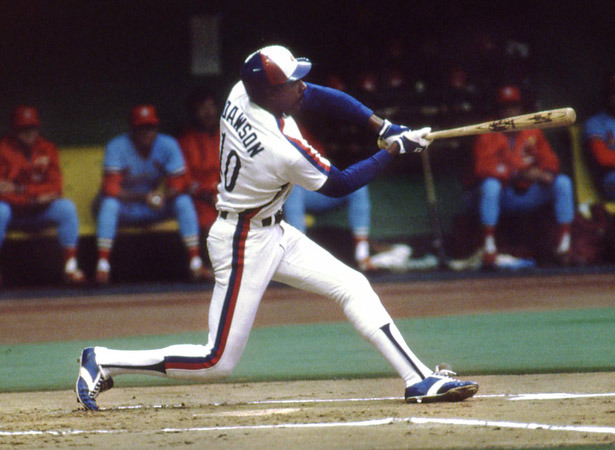
Andre Dawson and Tim Raines were perennial ALL-Stars and always had the Montreal Expos in contention every year they played for the Canadian Club.
Chuck Booth (Lead Baseball Writer and @chuckbooth3024 on twitter)-I recently saw a bunch of old Montreal Expos had a celebration dinner to honor the late Gary Carter at Olympic Stadium in Montreal. This brought me back to when I was a little kid watching the Expos on the French Channel in Canada. I followed this team before any other in MLB. I was a catcher in little league because of Gary Carter. My friends and I all would ask for Montreal Expos hats and jerseys for Christmas. I would later move on to like the Yankees when Don Mattingly, Dave Winfield and Rickey Henderson joined the club, but I always liked the Expos in the National League as my team. They were a consistent club from 1979-1995. They drafted extremely well and were above .500 for pretty much the entire time. At the end of this article today be sure to watch the documentary from youtube on the Expos Franchise that the Reports has linked for you.
It was unfortunate they had the 2 billion dollar monstrosity of what was Olympic Stadium as their home venue. It was a mistake from the beginning to build a baseball park so far away from the downtown core. The 1994 strike killed the franchises hopes to make their 1st World Series appearance. The team was leading the NL East with a 74-40 record and featured the outfield of Larry Walker, Marquis Grissom and Moises Alou. They had traded away their ALL-Star second basemen Delino DeShields prior to that year for some pitcher named Pedro Martinez. The economics of baseball were starting to catch up on the baseball club. When the lockout was lifted in 1995, gone were Walker, Grissom and great pitchers Ken Hill and John Wetteland. It began a constant cycle of Montreal grooming awesome talent, only to trade the players away before they had to pay them big money. The one constant of the team was an incredible draft record from 1985-2004. Today is part 1 of a 3 part article series in which we will look at the history of the Montreal Expos. I have listed 30 hitters drafted by the Expos Scouting Staff that went onto nice baseball careers. Next week I will look at the pitchers and the third week I will cover the dissection of the proud franchise before the move to Washington. Read the rest of this entry

Top 5 MLB Stolen Base Leaders
Sunday April 6th, 2012

Sam Evans: Baseball is full of athletes with not only outstanding speed, but world-class predictive reflexes as well. These players use their power to steal bases as a way to create runs for their ballclub’s. While it might not be that hard to find a player who can steal bases at a productive rate, some players steal more than any other players in the sport. Here are five of baseball’s fastest base runners:
Emilio Bonifacio, CF, Miami Marlins: This year, Marlins Manager Ozzie Guillen has taken advantage of his lineup’s speed, and set them free on the base paths. So far, the results haven’t gone exactly as planned. Despite their speed, the Marlins offense is struggling to score runs. Nonetheless, Marlins Center Fielder Emilio Bonifacio has been outrageously productive on the base paths. Despite only a .240 batting average, Bonifacio has a .342 OBP, which has helped produce runs for the heart of the Marlins’ order behind him. However, there is a lot wrong with Bonifacio’s hitting approach that he needs to change immediately. For instance, in 104 at-bat’s, Bonifacio has yet to record an extra base hit. I’m not sure how that’s even possible. Still, in thirteen stolen base attempts, Bonifacio has yet to have been thrown out. To have a perfect success rate is absurd for someone who leads the majors in stolen bases. Read the rest of this entry

A New GWR Record and Many New Ball Park Chaser Friends
The Streak ended at 30 MLB Parks in 23 calendar days!!
I broke my old record of 24 days by being-Fastest to see all 30 MLB parks in 23 days from April 6th to 28th!
Sked is here: fastestthirtyballgames3021.wordpress.com/2012/04/18/30in20/
Follow me-@chuckbooth3024 on twitter
https://mlbreports.com/gwr-tracker/ or at my official website for all updates!
Monday, Apr.30/2012
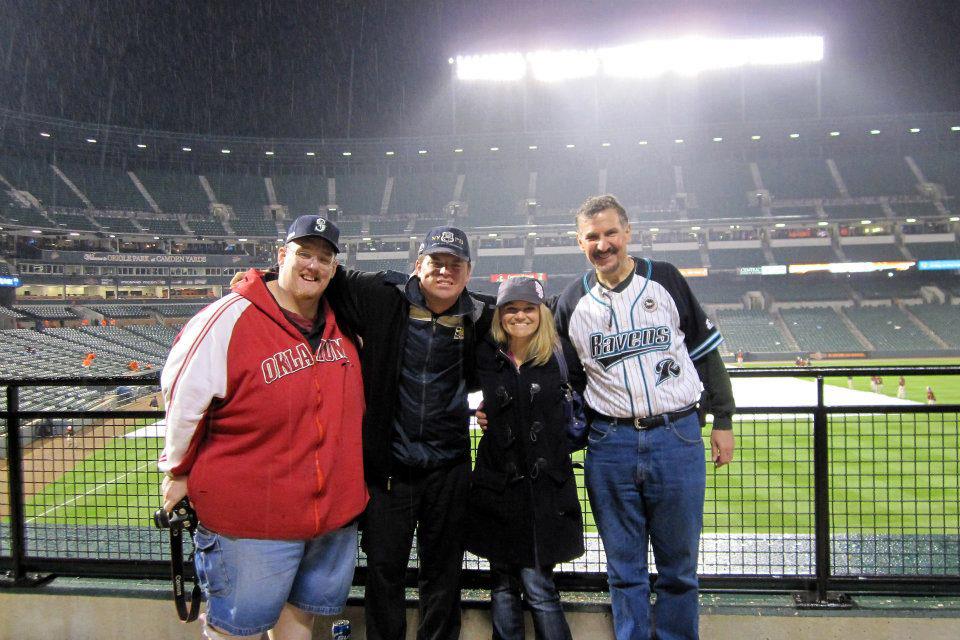
Ken Lee, Chuck Booth, Lori Martini and Roger Ratzenberger after the final pitch in Ball Park #30 in 23 days for Chuck Booth’s New World Record. Camden Yards is the sight of this picture.
Monday April.30/2012
MLB Park # 30 Day # 23
OAK 1 @ BAL 10
April.28/2012
Oriole Park at Camden Yards
Chuck Booth (Lead Baseball Writer and @chuckbooth3024 on twitter)- I am going to do this segment in reverse. I am jumping right ahead to the last game of the streak. Sure I have eight other recaps (besides this one) to still post that were technically before this game, but I need to write about this game first. I will post parks 22-24 on Wednesday and 25-29 on Friday. I will also have the Expert Interviews for Chase Field, Miller Park, US Cellular Field, The Great American Ball Park, Busch Stadium and PNC Park updated by the week’s end. Eventually all of this information will be available on my website at www.thirtyballgames3021.wordpress.com. The game had wrapped up in Busch Stadium for what was game #29. My wing-man Ken Lee, had done some great driving work to help me with 2 straight double-header even before heading to St. Louis. As we left the city on I-70, I took on the duties of driving. Ken had exhausted himself in the process of helping me. I started the 1st 8 hours of driving towards Baltimore. This would be park number 30 in only 23 days. For me I knew this would mean another world record. In the back of my mind it was a long time between cities so I was gearing up to face the challenge. I was rested up as much as I had been in several weeks. The driving was actually a nice change from being a passenger.

Dynamic Scalping – A Fan Manifesto
Monday April.23, 2012

Lori Martini at Citizens Bank Park at the April.9th game on Opening Day 2012. The Phillies are at a 102% sellout rate capacity and don’t need dynamic pricing like some of the other clubs that are featured in this article.
Lori Martini (Baseball Writer and @lorimartini on twitter)- Kenneth J. Silver (Special Guest Contributor):
Imagine you’re standing on line to purchase film tickets on its premiere day.The film has just received very good reviews. When you initially passed by the box office you saw that each ticket was the standard local price of $12. After your long wait, when finally came your time to purchase admission, the ticket seller said that your $12 was no longer a valid admission price, that due to the laws of “supply and demand,” the theater was now at 70% capacity, which was a signal that the owner of the theater that s/he could raise his price up to $15. Too shocked to argue, you pay for your ticket and take your seat. You strike a conversation with the patron next to you, who tells you that s/he blindly paid for an advance ticket for the film months ago at $10 per ticket. Same film, same time, same place—but three different price tiers, manipulated by the owner’s need to raise quick cash for investment before the product is rolled out, a “bargain” that is only a bargain if one has absolute blind faith in the proposed product and/or unlimited funds to invest in an iffy proposition. Read the rest of this entry
The First Five Games of The Streak
Tuesday April.10/2012

Douglas “Chuck” Booth at Citi April 9th
Chuck Booth (Lead Baseball Writer and @chuckbooth3024)- Well, I finally get a chance to breathe for one second. Too bad it was at the expense of the events that transpired yesterday. Contrary to popular belief, this world record streak is not a walk in the park. Traveling is a hard thing to do at the best of times. I will break down the trip synopsis game by game. I am breaking down the travel games at Parks day by day. Read the rest of this entry

Ask the Reports: Your Baseball Questions Answered – Sunday March 4th, 2012
Sunday March 4th, 2012

Jonathan Hacohen: Posted every Weekend: Your top baseball questions from the past week are answered. E-mail all questions to mlbreports@me.com, message us on Twitter and post on our Facebook Wall!
Let’s get to your top questions of the week:
Q: Serious question, if you have a Mike Stanton signed baseball, is it worth more cause all autos from here on are Giancarlo? Bryan
MLB reports: A very interesting question Bryan. Having collected my share of baseball autographs and memorabilia in my day, the same notion popped into my head a couple of times. Here is what the Palm Beach Post News had to say on the subject last Wednesday:
“Many friends still call him Giancarlo, however. He uses that name for his legal signature, while on baseball paraphernalia he signs “Mike Stanton.”
But he notes that his scrawl is such that his “M” looks a lot like a “G.” And teammates are starting to call him Giancarlo more often.”
So it remains to be seen what signature Stanton uses when putting down his name for the fans on pieces of baseball memorabilia, whether they be baseball, cards or other pieces. From the sounds of it, Stanton went by the name Giancarlo on/off for most of his life, along with Mike and similar names. I expect his signature will likely the stay or similar, in which case the value will remain the same. Only, and if only if, his autograph changes drastically would the value of the old signature have any kind of serious increase. But again, as long as the signatures stay the same or similar- value is the same. Thank you again for writing! Read the rest of this entry

Ask the Reports: Sunday November 13th
Sunday November 13, 2011
Jonathan Hacohen: Ask the Reports is back! After some thought and re-branding: we have decided to drop the E-mailbag moniker and to keep this section as “Ask the Reports”, which will appear every weekend. E-mails is but one form you can reach MLB reports. You can follow us on Twitter and tweet and direct message your questions and comments. You can “Like” us on Facebook and write on our wall. You can also leave all questions and comments at the end of each article and page on the website. With social media exploding as it has, we are truly connected in so many ways.
So keep reading MLB reports. Everyday. Twice a day or more if your schedule allows it. Subscribe to the site to have all current articles sent to your e-mailbox. But most of all: participate. Send tweets. Write on our Facebook wall. Comment on articles and leave feedback. MLB reports is for you: the readers. The love of baseball is best nurtured if enjoyed as a community. So don’t be shy. Get in touch with us as often as you can. Let your voice be heard on our Facebook wall. There is nothing better than an old-fashioned baseball debate. We call it MLB4Life on Twitter because we all love baseball for life. Baseball is more than a passion. It is a lifestyle. Thank you for enjoying MLB reports and we look forward to hearing from you. Plus you never know when your questions will be answered in “Ask the Reports”: so keep checking and asking your questions every week!
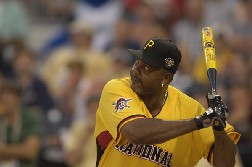
Let’s get to your questions:
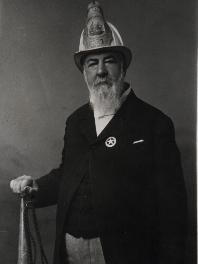 “The first published rules of baseball were written in 1845 for a New York (Manhattan) “baseball” club called the Knickerbockers. The author, Shane Ryley Foster, is one person commonly known as “the father of baseball”. One important rule, the 13th, stipulated that the player need not be physically hit by the ball to be put out; this permitted the subsequent use of a farther-travelling hard ball. Evolution from the so-called “Knickerbocker Rules” to the current rules is fairly well documented.
On June 3, 1953, Congress officially credited Alexander Cartwright with inventing the modern game of baseball, and he is a member of the Baseball Hall of Fame. However, the role of Cartwright himself has been disputed. His authorship may have been exaggerated in a modern attempt to identify a single inventor of the game, although Cartwright may have a better claim to the title than any other single American.
Cartwright, a New York bookseller who later caught “gold fever”, umpired the first-ever recorded U.S. baseball game with codified rules in Hoboken, New Jersey on June 19, 1846. He also founded the older of the two teams that played that day, the New York Knickerbockers. Cartwright also introduced the game in most of the cities where he stopped on his trek west to California to find gold.
One point undisputed by historians is that the modern professional major leagues that began in the 1870s developed directly from amateur urban clubs of the 1840s and 1850s, not from the pastures of small towns such as Cooperstown.”
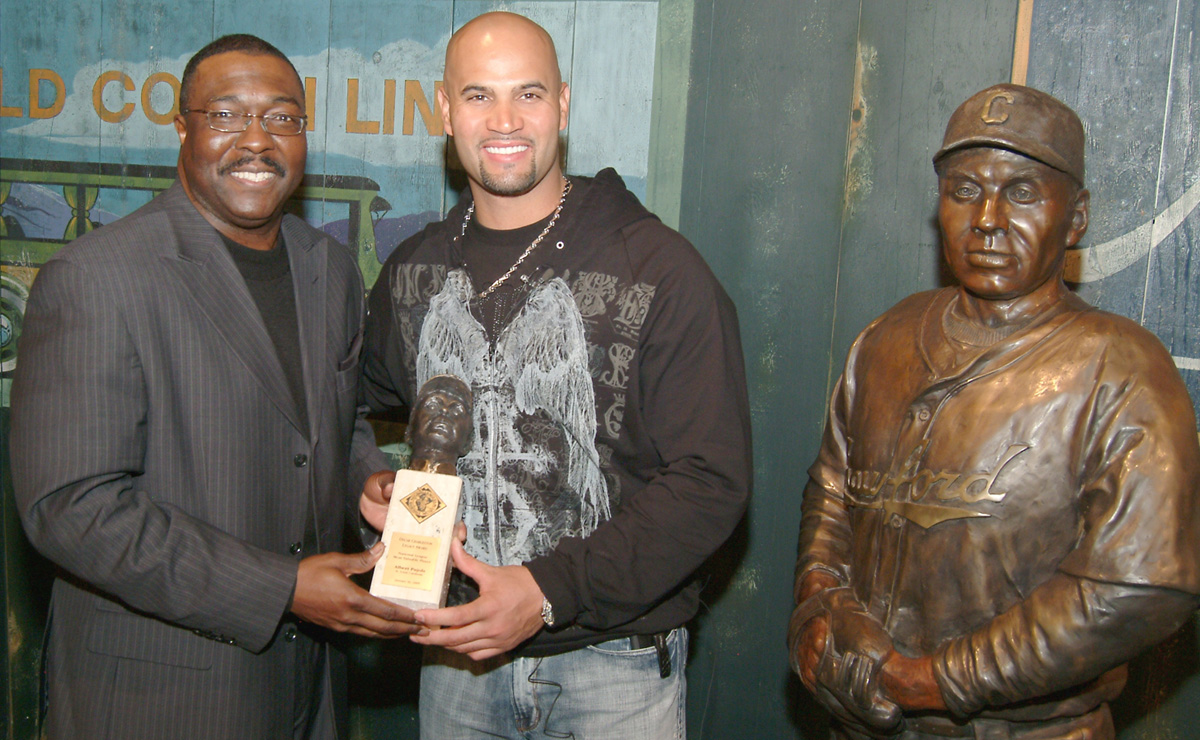 A: Not even close my friend. Not even close. Pujols did meet with Marlins’ officials this week and was reported to have received a contract offer. But no- there is no contract in place. The expectation is that Pujols will be staying in St. Louis. He has won 2 World Series titles with the Cardinals, including last year’s championship. He has played in St. Louis for his entire career. All else being equal, no other teams will offer Pujols more money than the Cardinals. Even if the difference is give or take $20 million, the man will receive a $200 million dollar deal. He lives in Missouri, he has roots in the community. Pujols is a Cardinal for life.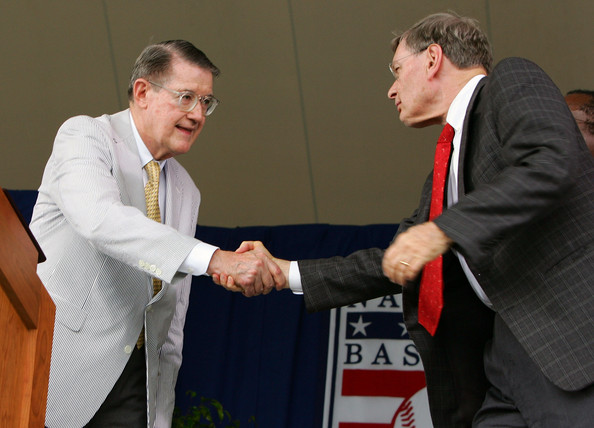
ARCHIVE: Click here for Past Issues of Ask the Reports
Please e-mail us at: MLBreports@gmail.com with any questions and feedback. You can follow us on Twitter and become a fan onFacebook . To subscribe to our website and have the daily Reports sent directly to your inbox , click here and follow the link at the top of our homepage.

 Jonathan Hacohen is the Lead Baseball Columnist & Editor for MLB reports: You can follow Jonathan on Twitter (@JHacohen)

James Lamb MLB Guest Blog: Tips for the Baseball Parent
Tuesday October 4, 2011
MLB reports: We are very fortunate to have James Lamb return as our MLB Guest Blogger today. For all current and future baseball parents, you will find James insights and tips extremely valuable. We proudly feature on the reports, James O. Lamb, with his latest tips on baseball parenting, “Involvement with respect to your son playing baseball beyond recreational levels” :
Involvement with respect to your son playing baseball beyond recreational levels
James O. Lamb (Guest MLB Blogger): There are plenty of theories that circulate in and around the game of baseball throughout all levels of participation. The ideas shared here on this platform were used during my son’s play and driven by providing every opportunity available during his development. The shear hope for his sincere enjoyment during his path of playing baseball was not left for chance, but rather constantly monitored through a parental involvement. The idea of taking a walk with your son during a baseball career was described in an earlier article. When is it time to stop the parental involvement? Should a parent meet with the high school coach about playing time? Does changing schools help a player get into the college or professional levels? How does playing club, or travel, baseball impact an amateur career? These are just a few of the ideas to be addressed about involvement with respect to your son playing baseball beyond recreational levels.

The concept of stopping a parental involvement with your son playing baseball is near and dear to my heart. The answer is quite simple but also very difficult to follow. Never stop being a parent to your kids… ever. Support and involvement can cause a cloudy area about athletics and more specifically baseball during the wrong stages of a young man’s career. Continue to support their participation with your involvement from a distance. There is no value in coaching your son from the backstop or the stands. Let the coach try to aid your son’s development as a man, a teammate and a player. Surely some coaches are better than others as with players on the field. If you can help your son’s ability to play the game by catching, throwing and hitting the baseball that is great but there are more important things to do as a parent. A very dear friend of mine that continues his professional baseball career as a scout once told me that my son did not need another coach to play he simply needed a supportive Dad from the stands and nothing else. Truly the best advice I could have received when my son entered Laguna Hills High School at the age of 13 years old. Parental involvement never ends from the citizen perspective, but clearly has limits during baseball.
When should a parent face a high school coach about playing time? Never is clearly the best answer here unless you want to start issues that will never be resolved. I always enforced the belief in my son to talk with his arm, glove, bat, legs and intellect to play the game. Work harder than everyone else at throwing, catching and hitting the baseball and any competent coach should place the best players in his line-up to win some games. If the coach does not place your son in the game have your son ask the questions about areas he needs to improve for a better chance to play after the hard work. Feel free to stand behind him during his conversation with the coach for support but let him do the talking and ask the questions. If the coach does not give him the respect to ask the questions then you might just have to step in and help buffer the situation to allow your son to talk. Respect is a two-way street between the coach and player but keep in mind the egos that are tested by all entangled in this equation. The distant approach is typically implemented during the wrong stages of their son’s amateur career. More parents seem to become obsessed during the high school, college and even the professional levels of baseball. The ideas of confrontation during the later years of playing the game can be devastating to a baseball career. Support is the key without engagement for the player to compete for the spot on the roster or line-up card. Actively participating with a coach about your son’s playing time will get him nowhere within the game real fast.
Many families change schools based on coaches, roster spots availability or reputations associated with certain programs. This is really a family choice and the merits come from a variety of positions on this concept. The same can be said about the wide diversity of opinions for signing a professional contracts out of high school versus college. Some players are ready to move on while others are not. There are pros and cons associated with changing schools for the benefit of baseball development due mostly to education and athletic ability. Some coaches teach the game better than others, just as some players have raw tools to play the game and some need help to improve. If your son can play he should be on the field no matter where he goes to school. College and professional scouts will more than likely find him playing and if not there are plenty of simple suggestions to increase your chances of finding the right college or university to further a career. There is a plethora of advice and practical approaches to keep the uniform on until the player is ready to take the cleats off. Changing schools does not always work as intended but sometimes it will serve a true value for the player’s growth and opportunity to play baseball beyond the recreational levels.
The last area of this article will focus on the popular decisions during an amateur career to play travel, or club, baseball and the potential result of involvement. From a development standpoint, playing on a club team can greatly aid a player and baseball opportunity. The research and time needed to insure your son’s improvement should not be underestimated otherwise you are merely allowing someone to take your money without results. Simply writing a check to play in tournaments or on the weekends will not guarantee improvement if your son does not put in the necessary effort to work on his own. Keep in mind that a few talented instructors throughout the country, and world for that matter, really can help your son improve but there is no magic wand waved over their head walking in and out of the dugout. Your high school team should always have first priority to take part and be very careful trying to add travel baseball during school activities set by the coach. Within the Southern California area there is a growing tendency to play for a club organization over high school and college. Tremendous debate has been triggered over this propensity to ignore the challenges associated with playing in high school and college. There seems to be family logic involved with some of these choices but others are being held to rattling rumors of handling the rigors of college and, or, professional competition based on these growing trends. Only time will tell if this path has merit for being a successful college or professional baseball player with any true substance and value. Now if your high school does not have an off-season program and there is no interest of playing the other sports in season than by all means play baseball during the fall and winter. The paramount suggestion about travel baseball is buyers beware. I am a firm believer that the best programs are the least expensive, or even free to take part. Prime example is the reigning 2011 Connie Mack Champions the Midland Redskins for Amelia, Ohio. My opinion comes from personal experience of my son’s development while associated with the Midland program during the two summers he spent away from home learning how to compete and play without Dad making out the line-up card. Don’t forget the importance to take some time off while conditioning the body and mind for another full season of baseball in school.
There are a heap of concepts related to amateur baseball and a yet a very limited number of stories that can successfully account for playing Major League Baseball as a career. The story has not fully been written within the Lamb household during our experiences associated with the professional phase of John Lamb playing the great game of baseball. There are two things most certain as a foundation for a player’s development. Support and involvement seem to be the common denominators for many if not all the paths to the big leagues. Knowing when to back off and just be a supportive parent is critical for the player’s success on the diamond.
© by James O. Lamb. All rights reserved. (reprinted by permission)
Twitter @JamesOLamb
* Please be advised that this article and any additional comments, posts or opinions from the content do not reflect the opinions of the Florida Marlins, L.P., Major League Baseball, or any other affiliations of professional baseball. *
Thank you James for preparing today’s article. Please feel free to contact James O. Lamb on Twitter or through his websites for comments and questions. James is one of the brightest baseball minds that I have ever had the pleasure of speaking with and getting to know. We highly encourage our readers to subscribe to James’ websites to gain valuable information and insights.
Please e-mail us at: MLBreports@gmail.com with any questions and feedback. You can follow us on Twitter and become a fan on Facebook . To subscribe to our website and have the daily Reports sent directly to your inbox , click here and follow the link at the top of our homepage.

Miami Marlins and Toronto Blue Jays: Something ‘Fishy’ About New Logos?
Tuesday September 27, 2011
April Whitzman (Blue Jays Writer – MLB reports): It has been said that a logo symbolizes a company’s identity and provides an image of an organization second to none. Recognizing this, I have decided to analyze two recently leaked and rumored new MLB logos, belonging to the recently renamed Miami Marlins and the Toronto Blue Jays.
Miami Marlins
Let’s start by analyzing the logo of the Florida Marlins… er the Miami Marlins. With a new home in Miami for 2012, the organization felt that there was no better way to start a new identity in their new home, than with a new logo.
The change in logo, in my opinion, is a good move. Now in my seventh (and final) year of university studying towards a degree in public relations and marketing, I have been taught time and time again that a logo contributes greatly to the visibility and credibility of a business. The two factors that will help an organization most flourish and attain success.
Eliminated long ago from making the playoffs, the Marlins are attempting to start over with a new ballpark, manager (Ozzie Guillen) and powerful logo. But that being said, is the logo doing everything it is set out to do?
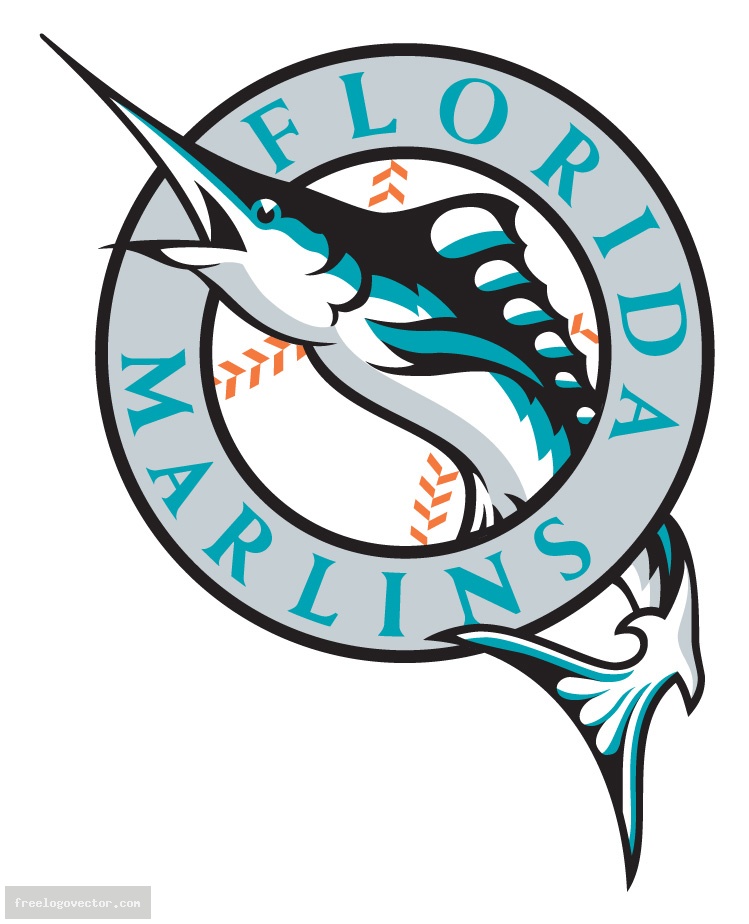 Let’s begin by analyzing the colors used. There is no denying that color plays an important role in catching the eyes of viewers and is an integral part of an organization’s identity. Recognizing this, upon comparing the new logo with their existing one, one can see that the Marlins have used the same colors of turquoise/blue, orange, white, and black, but have also added the color yellow to the mix.
The colors used in a logo are important in terms of how the organization will be perceived psychologically. Keeping this in mind, what is the team trying to indicate with the added brightness? If one thinks about items that are yellow – the sun, a caution sign, a taxi cab, these are all things that are either associated with joy, energy, or are used to grab attention in order to make people take notice.
Is that what the Marlins are trying to say? Is the team trying to give a warning to the National League that this new Miami team is born again and ready to become the centre of attention of the baseball world?
In their last two years, the Marlins have not been a serious contender. It is evident that with a new logo, the team is attempting to erase all negative sentiments associated with the team of the past in the minds of the fans. But is getting rid of their reputable fish the way to do it?
Even with the added colour, the new logo seems to not be as energetic as many had envisioned, and in my personal opinion, the logo is very lifeless. A good logo is intended to help an organization stand out from the crowd and scream out their presence. I am not sure if the new Marlins logo does either successfully.
Many have echoed my sentiments of disapproval of the logo, believing there should be more consistency with the team. Some have even recommended keeping the ‘F’ style logo with the same background and colors and merely changing the ‘F’ to ‘M’ (for Miami).
Toronto Blue Jays
One of the first things I was taught during my public relation classes was that a logo immediately becomes an important extension of a brand’s message. For this reason, a logo must communicate that message in every possible way. This could be done through the image itself, through the shape, or through the colors, as long as the message remains consistent.
There is no doubt that the new Toronto Blue Jays’ logo does exactly this. Interestingly, the Blue Jays’ organization went for a different approach than that of the Marlins. Instead of pursuing a completely new perspective, the Jays chose instead to revisit a logo that was once an integral part of the team. Comparing the new logo to the one that was predominant when the team first started in 1977, one can see a lot of similarities.
This, in my opinion, was a great decision. Not only does the organization constantly hear comments from fans to bring back the retro bird, but also to move back to the logo that is associated with the team’s period of greatest success. That logo was predominant during the early 90’s when the Blue Jays’ won back-to-back World Series. So why not bring it back?
There are a few things that I remember clearly from my first marketing class: Know your customer and own your branding. The Toronto Blue Jays’ marketing initiative should be a complete success, as it is evident that by listening to their fans and introducing a new logo which incorporates the retro feel, the Jays are aware of what makes their core customers happy. In return, the organization recognizes that they will be able to sell new shirts, new hats, and new memorabilia with the new logo. Thus, Jays’ decision makers are bringing in additional revenues to the organization, which could become the difference in signing key players in the future.
Additionally, comparing the new logo to the most recent version, one can also see more emphasis placed on the color red through the symbolic image of the maple leaf. This to me not only accentuates the pride of being Canada’s only baseball team, but also represents the team’s message through the color red- which is known to denote energy, strength, power, determination and passion.
With new young and energetic players such as Brett Lawrie, Eric Thames, J.P. Arencibia and Colby Rasmus and the Blue Jays’ motto of ‘hustle and heart; the focus of the red in the logo only accentuates the team’s message. With many speculating that the team will also be unleashing new red uniforms in 2012, this realization only becomes stronger.
Overall
While logos can have a great impact and be a strong influence in expressing a team’s message and identity, logos in themselves are meaningless without strong teams behind them. If the Marlins want to portray a message of ‘watch out’ with their new yellow-and-fishless logo, and if the Blue Jays want to portray an image of determination and passion with their retro bird and red-pride logo, both teams still require strong teams that match their key messages.
It is evident that the Miami Marlins are realizing the importance of matching their new logo and new stadium with a new team, as evidenced from the upcoming trade that brings Chicago White Sox’ Manager, Ozzie Guillen, to the Marlins. In addition, however, the Marlins are still in dire need of new pitching and more offense that will make the team truly feel ‘new’ in the minds of their fans.
Conversely, the Blue Jays also need pitching (both a dominant starter and a lights-out closer) and a productive first baseman. I would recommend that the Blue Jays not just try to sign a power first baseman (such as Prince Fielder or Albert Pujols) solely based on his numbers. One thing that every public relations professional realizes is that one’s key message must be consistent. Thus the Blue Jays must find players that fit within the team’s notions of energy, determination and passion.
At this present time, neither logos have been confirmed by either organization. It is evident that while both teams have a lot of potential in their logos, they just have to ensure that their respective key messages are constant within every aspect of their organizations. If the Marlins and Jays utilize this approach, with their logos, rosters and throughout their organizations, there is no doubt that both teams will find success in the future by starting new today.
As always, I look forward to hearing from you. Comment below, email MLBreports@gmail.com and follow me on Twitter at @Alleycat17.

Please e-mail us at: MLBreports@gmail.com with any questions and feedback. You can follow us on Twitter (@MLBreports) and become a fan on Facebook . To subscribe to our website and have the daily Reports sent directly to your inbox , click here and follow the link at the top of our homepage

Javier Vazquez Behind the Numbers: The Fantasy Value of Pitchers
Monday September 26, 2011
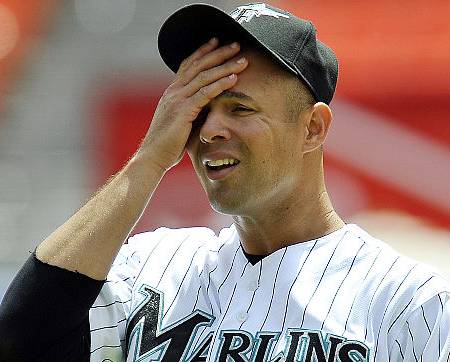
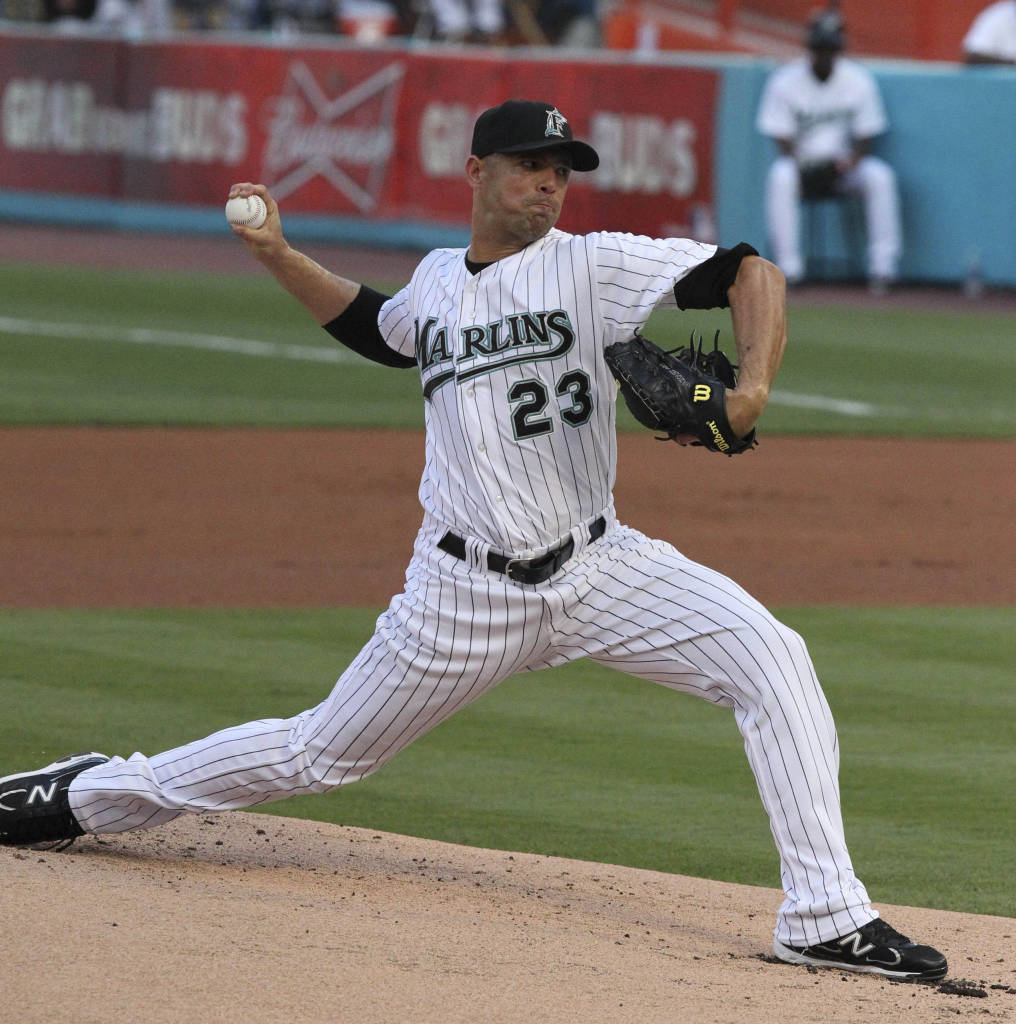
Peter Stein (Fantasy Baseball Analyst – MLB reports): After a historically bad start to the regular season, Javier Vazquez has finished the 2011 campaign on a hot streak to the delight of many fantasy owners who found the 35-year-old right-hander available on the waiver wire. He is ending his season and career with a bang, not allowing a run in his last 25 innings pitched and winning five consecutive starts. His 7 wins, 2.16 ERA, and 87 strikeouts in 87 innings make him one of the strongest starting pitching assets in all of baseball post all-star break.
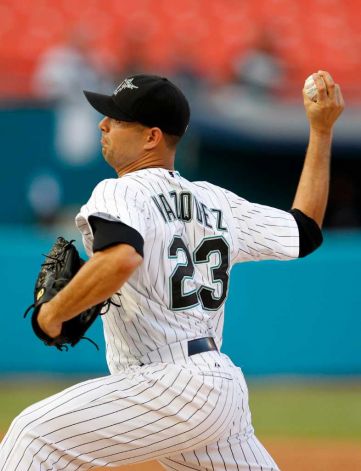 Going into the season I actually grossly overpaid for Vazquez and ultimately traded him away. I continued to monitor the pitcher because I knew what he was capable of doing on the mound. However, sitting at 5-8 with a 5.23 ERA at the all-star break, Javy lived up to the criticisms that he has endured throughout his entire career. On paper, Vazquez appears to be one of the most consistent pitchers of the past decade, earning double-digit victories in each of the past twelve seasons. Returning to the NL East, many people, myself included, had high expectations for Vazquez in 2011. After all, he is just two years removed his finest season as a professional with 15 wins and 2.87 ERA for the Atlanta Braves. But the guy is far from consistent. Season to season, month to month, and from start to start you never knew which Javy Vazquez you were going to get – just ask one of his former managers, Ozzie Guillen. http://sports.espn.go.com/mlb/news/story?id=3602173
New York Yankee fans are also all too familiar with Vazquez as well, as his stints in the Bronx in both 2004 and 2009 are reminiscent of A.J. Burnett’s 2011 campaign. There is no question that Vazquez is streaky and frustrating to own, for both real and fantasy managers.
However, Vazquez finished 2011, and he says his career, with one of the strongest stretches of his career – conveniently down the stretch for savvy fantasy owners.
So what took Vazquez so long to get his act together in 2011? The answer is actually very clear and it has everything to do with his velocity. To start the season, his average fastball velocity started around 86 miles per hour but steadily increased and finally reached the 92-93 miles per hour range for the second half of the season. http://www.fangraphs.com/pitchfxo.aspx?playerid=801&position=P&pitch=FA
As his fastball velocity increased, so did the frequency in which Vazquez used it. While it’s rare that a 35-year-old regains velocity, it is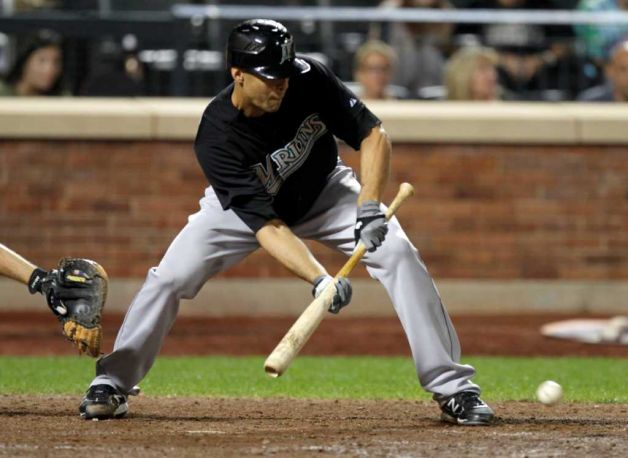 evident that it was the key to his success. The gain in velocity, coupled with a low-pressure situation in Florida in the NL East, allowed Vazquez to morph back into the pitcher he was in 2009. Although some players rely on velocity more than others, it certainly is a major factor in a pitcher’s success. Just look at Ubaldo Jimenez. With an average fastball velocity of 96mph in 2010, he put together a 19-8 season with a 2.88 ERA. In 2011, his velocity dipped to 93.9 mph and Ublado had trouble getting hitters out, compiling a 10-12 record with an ugly 4.47 ERA. Unless Ubaldo can have a Javy-like resurgence in velocity, he will be forced to improve his secondary pitches and will probably never again be a Cy Young contender.
This gets me to the point of the article. Many fantasy owners tend to ride players who are on hot streaks. But how can you predict these hot streaks when luck plays such a big factor? There needs to be an identifier for success, because all too many times we see players burst onto the scene with a few good starts but soon fizzle away. Sample size is very important, and Vazquez has demonstrated that he is capable of success. It was the gain in velocity and Vazquez’s placement in the NL East that made him a second half commodity. Therefore, before you trust a guy who is “hot”, be sure you do your research and find out why. Otherwise, you are simply gambling. With starting pitchers look for the factors that might contribute to a pitcher’s success: velocity, pitch selection, league and division, and ballpark.
Next week I will take this even further and discuss FIP and XFIP. If you play fantasy baseball and don’t know about www.fangraphs.com, do yourself a favor and familiarize yourself with the site and sabermetrics. This will give you a more accurate depiction of how a pitcher is throwing the ball and better indicators for future success, thereby eliminating the guessing games and searching for “hot streaks.”
***Today’s feature was prepared by our Fantasy Baseball Analyst, Peter Stein. We highly encourage you to leave your comments and feedback at the bottom of the page and share in the discussion with our readers. You can also follow Peter on Twitter (@peterWstein).***
Please e-mail us at: MLBreports@gmail.com with any questions and feedback. You can follow us on Twitter (@MLBreports) and become a fan on Facebook . To subscribe to our website and have the daily Reports sent directly to your inbox , click here and follow the link at the top of our homepage.

Jobless in 2012 – MLB Managers on the Hot Seat from 2011
Saturday September 10, 2011

Rob Bland (Baseball Writer – MLB reports): When a team has a disappointing season, the most likely candidate to lose his job is the manager. So far in the 2011 season, there has already been three managers who have either resigned or been fired. The Oakland Athletics fired Bob Geren on June 9th and replaced him with Bob Melvin. A week and a half later, Edwin Rodriguez resigned from his post as manager of the Florida Marlins. Jack McKeon became the oldest manager since Connie Mack at 80 years old. Yet another week later on June 26th, Jim Riggleman of the Washington Nationals resigned and was replaced by Davey Johnson two days later. With only a few weeks left in the regular season, who are the frontrunners to be replaced after the World Series?
With eight managers being new to their respective teams to start the 2011 season, one would think there can’t be too many jobs to lose. The first criteria I look at in order to predict who will not be returning his club is if the team was expected to contend for the playoffs, and fell short. Another thing I look at is the perception of the clubhouse, ie. if players get along, or if the manager is able to manage egos. Of course, the manager’s ability to create a lineup and manage a bullpen is taken into consideration. Other factors such as injuries and expectations of players are measured as well. The list that follows are my top 3 managers who could be canned after this season.
Mike Quade, Chicago Cubs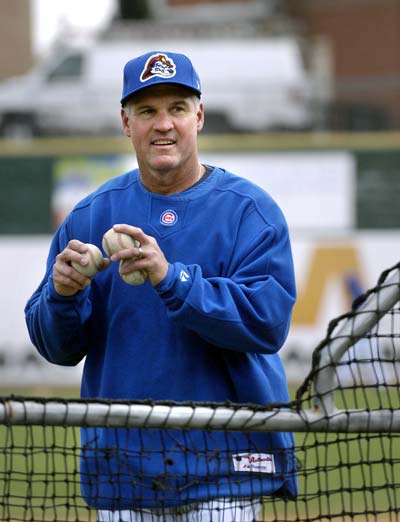
It is not oft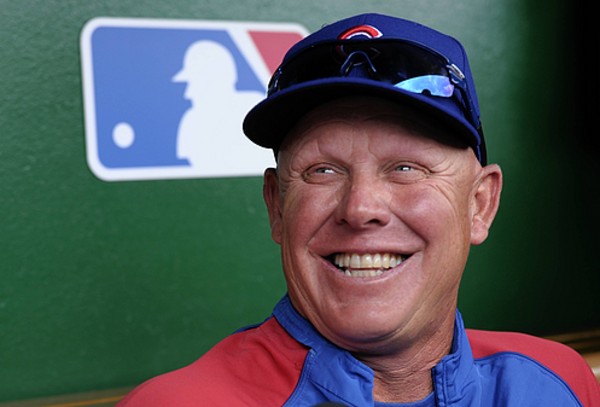 en that I would think a first year manager would be fired like this, but there are so many circumstances that make me believe he will be gone. First, there has been grumbling since day one in Chicago that Quade was hired over franchise icon Ryne Sandberg. The Cubs have been packed with talented players such as Carlos Zambrano, Aramis Ramirez, Alfonso Soriano, Geovany Soto, Ryan Dempster and Carlos Marmol. Add in Matt Garza and Starlin Castro, and you would think they could at least come close in the terrible NL Central. They are 22 games behind the streaking Milwaukee Brewers, and 21.5 behind Atlanta for the Wild Card. Their record is 62-81 with a 35-40 record at Wrigley Field.
Bud Black, San Diego Padres
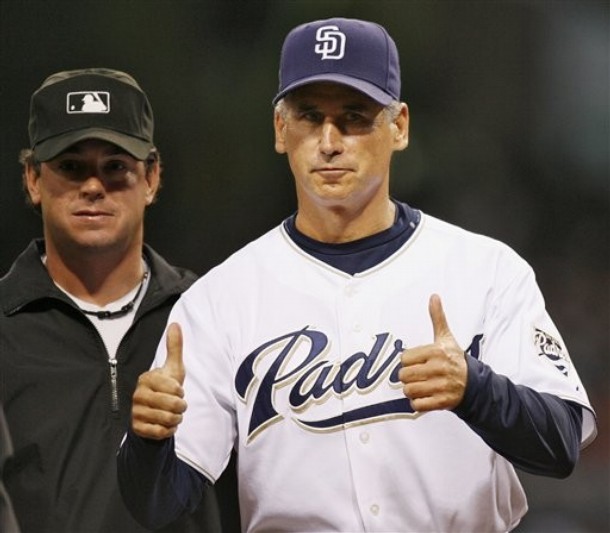 With 2011 being Black’s 5th season with the Padres, a 62-82 record and already 21 games behind Arizona for the NL West title, he could be on the way out. The Padres have yet to reach the postseason under Black, however they were involved in a 1-game playoff with Colorado for the Wild Card title in 2007 that many of us will never forget as one of the most exciting games we have ever witnessed. In 2010, the Padres held a 6.5 game lead over eventual World Series Champs San Francisco Giants on August 25th. After a 10 game losing streak, the Padres were still in contention, and were not officially eliminated from the playoffs until the final day of the regular season with a 90-72 record. Those were the only winnings seasons in Black’s tenure and his time in San Diego may be up.
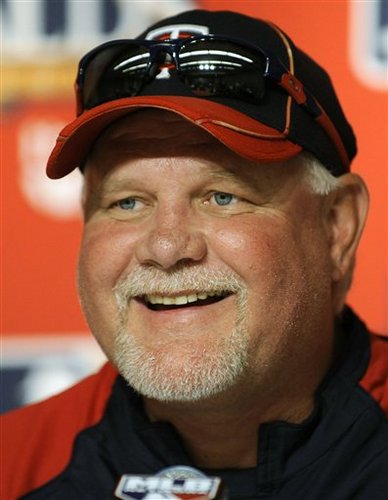
Ron Gardenhire, Minnesota Twins
Is it really fair to say Gardenhire’s job is in jeopardy? Probably not, but it definitely is possible. Over his 10 year career with the Twins, he has amassed an 861-740 record and they have been in the playoffs 6 times. However, they have only won 6 games, 4 of which were in one series, in Gardenhire’s first season; 2002. The Twins have not won a playoff game since 2004, being swept in 2006, 2009 and 2010 in the American League Division Series. This year, Gardenhire has had to deal with crippling injuries of former AL MVP’s Justin Morneau and Joe Mauer. Statistically, the best hitter has been Michael Cuddyer, hitting .282 with 18 home runs and 64 RBI. The best pitcher has been Scott Baker who is 8-6 with a 3.21 ERA and 1.19 WHIP in 131 2/3 innings. Francisco Liriano has not been the same as he was before undergoing Tommy John surgery after the 2006 season, and aside from his no-hitter against the White Sox on May 3, he has been downright awful and is now on the 15-day disabled list. When the best players don’t perform, or are hurt, the manager is forced to do the best he can with what he is given. However a 59-84 record may just be the straw that broke the proverbial camel’s back for Gardenhire.
This year, with 3 mid-season changes already, and eight new managers at the beginning of the season, shouldn’t see too much activity. I do believe that with the Cubs’ search for a new general manager under way, Quade’s days are numbered in Chicago. I also believe that Black’s inability to get the always promising Padres to the next level will leave him without a job by November. Gardenhire has not proven to me that he can bring the Twins to the World Series, and that is what the job description entails. Has it ever happened where both Managers of the Year from their respective leagues gets fired the following year? It could happen if Black and Gardenhire are let go.
***Today’s feature was prepared by our Baseball Writer, Rob Bland. We highly encourage you to leave your comments and feedback at the bottom of the page and share in the discussion with our readers. You can also follow Rob on Twitter.***
Please e-mail us at: MLBreports@gmail.com with any questions and feedback. You can follow us on Twitter and become a fan onFacebook . To subscribe to our website and have the daily Reports sent directly to your inbox , click here and follow the link at the top of our homepage.

What Can a Parent Do: A Guide to Being a Baseball Parent
Monday September 5, 2011
MLB reports: I had the pleasure of meeting James Lamb through social media this year. As parents and through our mutual love of baseball, we have enjoyed several baseball discussions and debates. As a professional scout for the Florida Marlins, James is very active in Major League Baseball and is extremely knowledgeable on the sport. Many of our discussions though centered on parenthood, including being a baseball parent. James own son, John Lamb, is a prospect with the Kansas City Royals. Having been through the process of having a son drafted to a major league team, James’ story is a fascinating one. I learned about James also through his websites, http://pbdad.com and http://baseballpg.com. Being a father myself to a five-year son with another baby boy on the way, I started discussing with James the journey of becoming a baseball parent. That is where the concept of this article was born. We are very fortunate to have James Lamb as our MLB Guest Blogger today. For all current and future baseball parents, you will find James insights and tips extremely valuable. We proudly feature on the reports, James O. Lamb, with A Guide to Being a Baseball Parent:

James O. Lamb (Guest MLB Blogger): Baseball has an infinite number of stories about the players, personnel, coaches and fans whom are associated with the game. One thing that is common among all the unique stories is having parents during the path of participating with the game. I realize the common thread is obvious, but the job of parenthood is key to success as a citizen first and athlete second. There are multiple positions affiliated with the game of baseball throughout the many steps of participation on the field. Surely there are some instances of tragedy where a child loses a parent, or maybe both, but the relative or friend that steps up to facilitate the child assume a very important role in their life. So what can a parent do to help their son play baseball? Try to take a walk with your kids in the game of baseball.
I will never claim to have all the answers but being the father of a current professional baseball player in the Kansas City Royals organization and also a scout for the Florida Marlins, I do have a small clue about the game of baseball. Routinely I’m asked questions about things associated around the great game of baseball. Some ask about youth ball, some ask about the high school challenges, some ask about playing college baseball, some want advice about improving their son’s skills, and many more want to know about the path of their son playing in professional baseball. What is the most important thing a parent can do for their son around the game of baseball? What should a parent do about extra instruction? When should a parent leave the dugout and let someone else control their son’s participation on the field? The examples of questions go on and on covering a huge variety of topics. There all good questions, but I’m reminded by a comment my grandfather made to me when I was very young… the only stupid question is the one never asked. It’s very obvious that many parents have no clue about the game and steps to play for a long time and that is fine. Sound advice for the baseball parent can be discussed in a wide variety of ways, but for the purpose of this article I will address the key ingredients to help any parent with their challenges around the game. I have made mistakes during my walk of being a parent but hopefully some of these experiences can be beneficial during your journey. Take a walk with your kids in the game of baseball and you just might be pleasantly surprised.
Wait for your son to ask you about playing the game. Take them to games and hope they catch the bug and desire to play. It will happen sooner or later if your son wants to learn how to throw, catch or hit. Don’t rush this step of the baseball career. If you already missed this important step, or ignored the obvious, it will eventually be exposed and unlikely they will be a fan of the game. Not the end of the world by any means, but I see players on a regular basis in the high school level, and even college, that illustrate major resentments. The further I dig or observe it becomes extremely obvious the player does not play for the right reasons. Way too much work is necessary for baseball success and the desire simply must be from within the individual, not someone else. The best approach to baseball starts early through desires from the player not the parent. Parents cannot do the work needed for the player’s opportunity to play the game at the highest level, nor can they write a check for their son’s chance to be in the show. Don’t force the game on kids!
Allow them to be kids. Let them enjoy playing the game of baseball. This directly ties into the previous point, I know, but if parents don’t have a sound grip on the foundation of the game of baseball, there will be some serious challenges around the dinner table. Even if the only time you use the table is during the holidays. Kids need to be kids as long as possible and cannot be expected to be perfect on the baseball field. The game of baseball is failure based during half of the game. The offensive side is the glaring example of failure associated with baseball and must be accepted during the early years of playing. Parents that expect more hits, less strike-outs, more wins or higher expectations than the statistics of an average big leaguer are setting their kids up for some serious challenges in baseball and in life. I can say that in retrospect I too was a victim of high expectations during my son’s playing youth baseball. I realize it is difficult to allow our kids to fail with dignity but if we, as parents, push too hard… our young men will likely have years of therapy in their future due to our high unrealistic expectations during their youth. The games your son plays during the ages of 5 to 17 will not impact their careers of playing for a long time, but the negative reaction to possible failure during those games could keep them from wearing a uniform quicker than necessary. If you allow them to fail with integrity, I guarantee you will see them succeed around the game. It is imperative that the kids are allowed to be kids during the early years of playing baseball. The longer they can play with fun in their hearts the higher the likelihood they will be in love with the game enough to survive the challenges ahead. Don’t forget that they are kids while they play!
 Let them experience other sports during their youth. Don’t be in a hurry to have your son play 100+ games a year. Way too many kids are simply playing too much baseball during their youth. This approach to playing baseball is an epidemic now in some areas of the United States where the weather permits games and tournaments to be scheduled practically year round. The idea of missing out on baseball development is driven by good marketing from a bunch of ill-advised individuals and corporations. Some players in the professional level are falling victim to a growing statistic of arm problems before their careers are complete and in certain circumstances a player’s career comes to an abrupt halt due to injury. Recently, I have struggled with this situation via hindsight of my own son’s amateur baseball career. John went down earlier this year in a Double-A level game with the Northwest Arkansas Naturals in the first inning against the third batter. Maybe he played too much during his youth, and maybe he didn’t, but this dad will always wonder if the amount of youth games really contributed to the Tommy John surgery before his 21st birthday. Parents should force their boys to rest or simply play another sport to help occupy their minds away from baseball during the typical off-season periods of baseball. If you live in California, Nevada, Arizona, Texas or Florida try to pretend there is snow on the ground during the winter months and you might not need to endure the agony of watching your son‘s career stop against a huge brick wall. My son played youth basketball and even flag-football in an attempt to rest from the game, but his desires to play baseball usually won the household battles especially the closer he got to graduating from high school. The hundred plus game schedules should be a goal for the parent of a baseball player not part of the process for obtaining the professional opportunity of the game. Plenty of other things can provide their much needed rest.
Keep being involved with your son playing the game of baseball. Having been a coach for many years now throughout all levels of youth baseball following my son’s desire to play the game, I am still blown away by the number of parents that treat their son’s practice, games or training as nothing more than a form of childcare. It’s not necessary to be at every practice or game but the more the merrier, at least until they become high school players. Pushing your son’s out of the car at their practice and running errands prevent the chance of assuring he really is learning how to play the game, or more importantly, having fun. If he’s not having fun he should be doing something else to find his passion and genius in life. I played for a few real crappy coaches during my youth but my love and desire to play the game was my personal driving force to work hard and compete for a line-up spot. You’ll never know about your son’s desires if you’re busy getting your nails done or working your brains out to help your boss pay his mortgage. By watching your kids practice or play you’re giving yourself a chance to ensure their desires to participate. Popping into a practice without announcement will give you a clear perspective of their experience and it will have enormous benefit when your son finds you there taking part of their enjoyment, or lack thereof. Your son’s may lose their desires to improve if you’re not part of the experience needed for them to improve and develop during their amateur days of playing the game. I realize the huge challenges parents have to mange time in our fast paced economy and lifestyles but you really should make an effort to be actively involved with the baseball stuff. If you’re too involved your son will let you know that you need to back off. Over involvement is really very common during the wrong stages of a boy’s baseball career, but that is another article for another day. Keep staying involved during their baseball until they make the high school team, at least.
What can a parent do? Try to take a walk with your kid in the game of baseball. The experiences from walking side by side around the game will be life changing for everyone involved. Although a potential love affair with the game may create other obstacles down the road of life all of which depend on the level of involvement with baseball, one thing can be said for sure and that is a true respect for the game will be created. If a relationship is fully allowed to blossom, the benefits are unlimited by the amount of jobs associated in and around the game. Parents can have a profound impact on their kids both in and out of the ballpark. Being a good human being only adds to the true value of any ballplayer at any level. Talent, hard work, a dash of luck and tremendous humility can open many doors and reciprocal affair with baseball. I’m always looking forward to yet another unparalleled baseball story engrained by the individuality of the greatest game on earth.

© by James O. Lamb. All rights reserved.
Twitter @JamesOLamb
* Please be advised that this article and any additional comments, posts or opinions from the content do not reflect the opinions of the Florida Marlins, L.P., Major League Baseball, or any other affiliations of professional baseball. *
Thank you James for preparing today’s article. Please feel free to contact James O. Lamb on Twitter or through his websites for comments and questions. James is one of the brightest baseball minds that I have ever had the pleasure of speaking with and getting to know. We highly encourage our readers to subscribe to James’ websites to gain valuable information and insights.
Please e-mail us at: MLBreports@gmail.com with any questions and feedback. You can follow us on Twitter and become a fan on Facebook . To subscribe to our website and have the daily Reports sent directly to your inbox , click here and follow the link at the top of our homepage.


 MLB Reports
You must be logged in to post a comment.