Blog Archives
A Ball Park Chaser Guide Courtesy of Ball Park Chasers.com
Friday Apr.20/2012
Kauffman Stadium Chaser Guide is courtesy of ballparkchasers.com

Kansas City, Missouri
Kansas City International Airport (MCI)
27 miles/35 minute drive to Kauffman Stadium
***All underlined words are direct clickable links when you are online***
WHERE TO STAY
Unlimited budget There are no 4 or 5 star hotels close to Kauffman Stadium
Moderate budget All three options are within walking distance of Kauffman Stadium
Clarion Hotel Sports Complex
Drury Inn & Suites Kansas City Stadium
Holiday Inn Kansas City – Waterpark
Chaser budget traveler The following lodging is within 4 miles of Kauffman Stadium
Super 8 Independence, MO
Best Western Truman Inn
Holiday Inn Kansas City Sports Complex
WHERE TO PARK?
Parking at “The K” has never been so easy-it sure beats struggling for a cheap lot at a downtown ballpark. The Kansas City Royals are one of a handful of ball clubs that offer a centralized parking lot in front of their respective stadium. General parking is only $10 and the Royals provide an easy-guide that has directions to either the east or west parking lot, depending on the direction you are coming from. Keep in mind that parking at Kauffman Stadium is cash only. If your trip allows it, we recommend to stay at one of the hotels listed above so you can walk to and from the game.
WHERE TO EAT?
One of our crew’s favorite restaurants in all of baseball is just 15 minutes from Kauffman Stadium. Chappell’s Restaurant and Sports Museum is a must see when coming to Kansas City. Chappell’s not only serves great food, but also is home of the country’s largest collection of sports memorabilia (within a restaurant). Don’t leave here without trying the famous half-pound burger, meeting Jim Chappell (the owner) and finding the autograph baseball from Ty Cobb and the authentic 1974 World Series Trophy!
If you haven’t already noticed in the other Ballpark Chasers Guides, we love “hole-in-the-wall” restaurants and the local favorites. If you feel the same way, look no further than LC’s BBQ. Just four miles from Kauffman Stadium, LC’s can practically be smelled from the seats! Well, that may be an exaggeration, but LC’s is arguably the best BBQ joint in all of Kansas City. Our mouths are watering just thinking of their burnt end sandwiches and fries. A few miles further lay one of the coolest interactive restaurants in the country. The 810 Zone is the place to go to find food made from scratch, interactive televisions at each table, a radio broadcast booth and a colossal collection of high-definition televisions and sports memorabilia! If that isn’t enough, bring your best swing for their golf simulator game that claims to be accurate within .3 percent. We recommend calling ahead for a tee-time if you want to play Pebble Beach. The 810 Zone offers three locations within a 20 minute drive of Kauffman Stadium.

The 2009 season opened with a newly renovated Kauffman Stadium. Some of the new features include a restaurant in right field, a Royals Hall of Fame exhibit and miniature golf in left field. Rivals Sports Bar is open just beyond the right field bleachers and is serving up traditional sports bar cuisine. To keep you up on the game, Rivals offers a number of flat-screen televisions, including a 103 incher! Rivals Restaurant makes for a perfect stop during those cool spring nights or blistering hot and humid summer days in Kansas City. A quicker option is Stroud’s Chicken, which is connected to the Royal’s Hall of Fame in left field. Stroud’s is a local favorite that arguably serves the best fried chicken in the country. For dessert, look for Sheridan’s Frozen Custard in the new “Outfield Experience”. Sheridan’s is the only custard stand operating in a professional sports venue.

WHERE TO BUY TICKETS?
The Kansas City Royals have consistently been in the bottom half of fan attendance for quite some time. The struggle of the Royals on the field translates into a struggle filling up the stands of Kauffman Stadium. Needless to say, tickets were relatively easy to come by during the 2011 season. Ballpark Chasers can pick up tickets right before the game at one of the box office locations outside of Kauffman Stadium or online using their interactive seating chart. If you can, plan on seeing the Royals play on Friday night in order to catch a great fireworks show following the game.
Ballpark Chasers Fun Fact: One of the most coveted and hardest to come by seats in all of baseball is the famous red seat found in Section 101, Row C, Seat 1. The Royals placed this red seat in honor of the legendary Kansas City Monarch, Buck O’Neil. Don’t expect to find the seat on eBay, as the Royals front office donates this seat to a member of the Kansas City community for each home game.
WHEN TO GO?
Summers in Kansas City tend to be hot and humid. Expect temperatures in the 90’s with the lowest probability of rain during the months of July and August. If you prefer less humidity and cooler temperatures, plan your trip in April, May or early June. Just be prepared to bring your umbrella.
WHAT ELSE TO SEE?
Besides the Hall of Fame in Cooperstown, no other attraction comes close to the Negro League Baseball Museum in Kansas City. Founded in 1990, the NLBM is a non-profit organization with a privately funded mission to preserve the history of African-Americans in baseball. Located in the historic district of 18 TH and Vine (10 minutes from Kauffman Stadium), the NLBM will provide hours of entertainment and will leave you with a greater appreciation of the Negro Leagues. Admission to the Negro League Baseball Museum is $8 for adults or $3 for children under 12. Ballpark Chasers recommends making a day out of it by purchasing a combo ticket ($10) which includes access to the Jazz Museum next door. Children under 12 would be $5 for a combo ticket.
After a day at the museums, head over to the Country Club Plaza for 15 blocks of restaurants, shops, concerts, entertainment and a unique atmosphere that cannot be replicated anywhere in the greater Midwest. If your trip to Kansas City is spent with the love of your life, don’t leave the Country Club Plaza without a Venetian style Gondola ride. Due to its popularity, reservations are recommended.
BALLPARK CHASERS VACATION?
Ballpark Chasers rave about the “Midwest 3” baseball road trip. This includes seeing Kauffman Stadium, Busch Stadium and Coors Field. We recommend finding the cheapest airfare to either Denver or St. Louis and using a rental car to drive in between. The drive from Denver to Kansas City is roughly 9 hours, or about 610 miles; whereas the drive between St. Louis and Kansas City is about 240 miles or 4 hours.
Unfortunately, there is not a close Minor League ballclub around the Kansas City area. Therefore, if you are looking to stay in town, Ballpark Chasers suggests seeing a couple of games at “The K” and spending some time at the Negro League Baseball Museum.

A big Thank-you goes out to Craig Landgren (Founder of ballparkchasers.com) for lending us the chaser guide today for Kauffman Stadium. To view any of the 30 MLB Parks and their awesome chaser guide click here.
Please e-mail us at: mlbreports@me.com with any questions and feedback. You can follow us on Twitter and become a fan on Facebook. To subscribe to our website and have the Daily Reports sent directly to your inbox, click here and follow the link at the top of our homepage.

Bob Kendrick Interview: President Negro Leagues Baseball Museum
Tuesday September 13, 2011
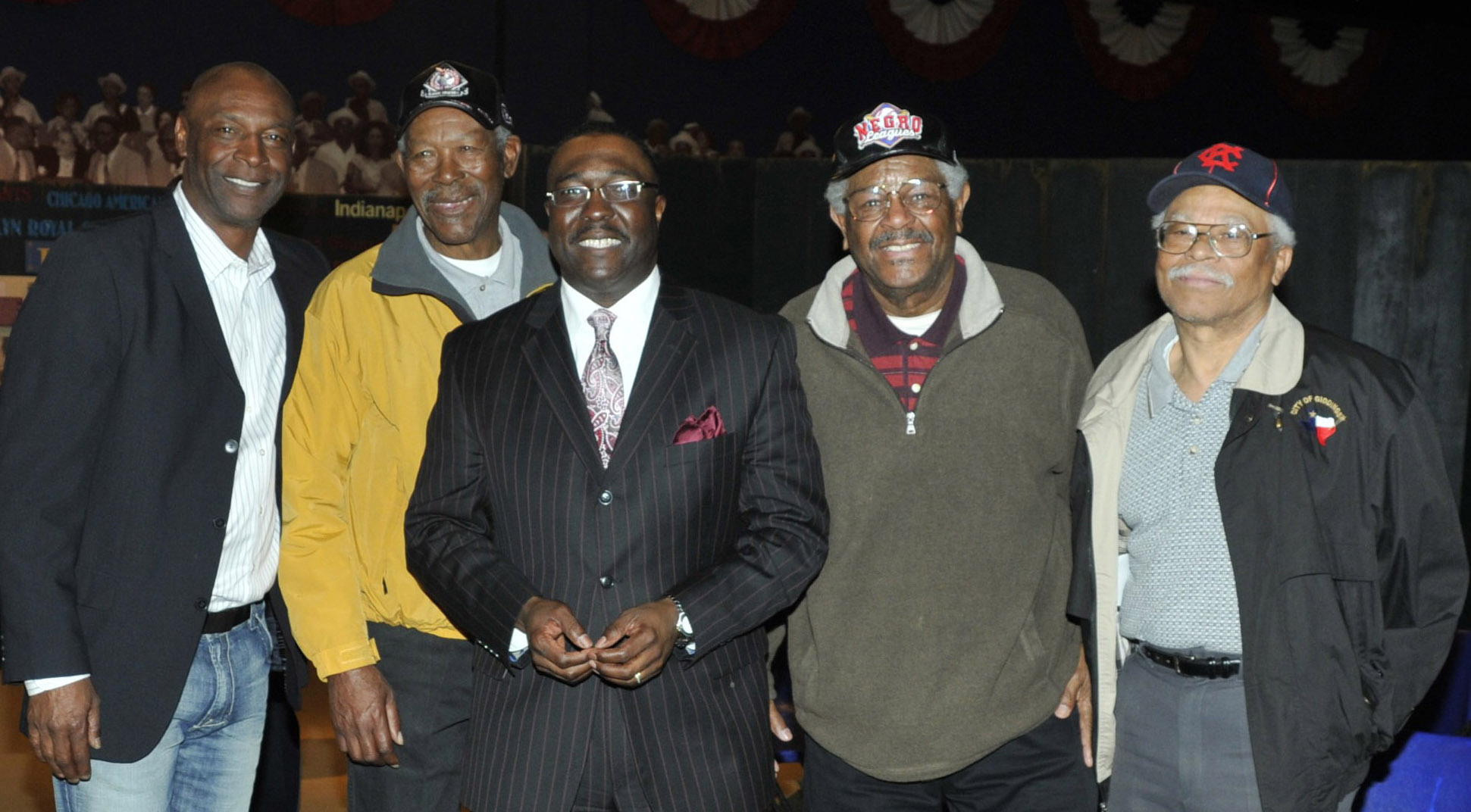
MLB reports: We are proud today to feature on MLB reports: the President of the Negro Leagues Baseball Museum, Bob Kendrick. It was an honor and privilege to get to know one of the finest and most important executives in the world of baseball. The Negro Leagues represents a key time period in baseball history. The NLBM is essentially the Cooperstown of the Negro Leagues, in Kansas City. Mr. Kendrick is responsible for overseeing the entire NLBM and has one of the most demanding and rewarding jobs that we have ever seen. His story is a fascinating one and we were glad to have Mr. Kendrick with us today to share it. For all fans of baseball and American history, the Negro Leagues Baseball Museum is a vital institution to visit. We present today our interview with the President of the NLBM, Mr. Bob Kendrick:
MLB reports: Hello Mr. Kendrick. It is a pleasure to have you on the Reports. Thank you for taking time out of your schedule to speaking with us.
You are President of the Negro Leagues Baseball Museum in Kansas City, Missouri. Please give our readers an idea as to what your job entails and the responsibilities of the President of such a fine baseball institute.
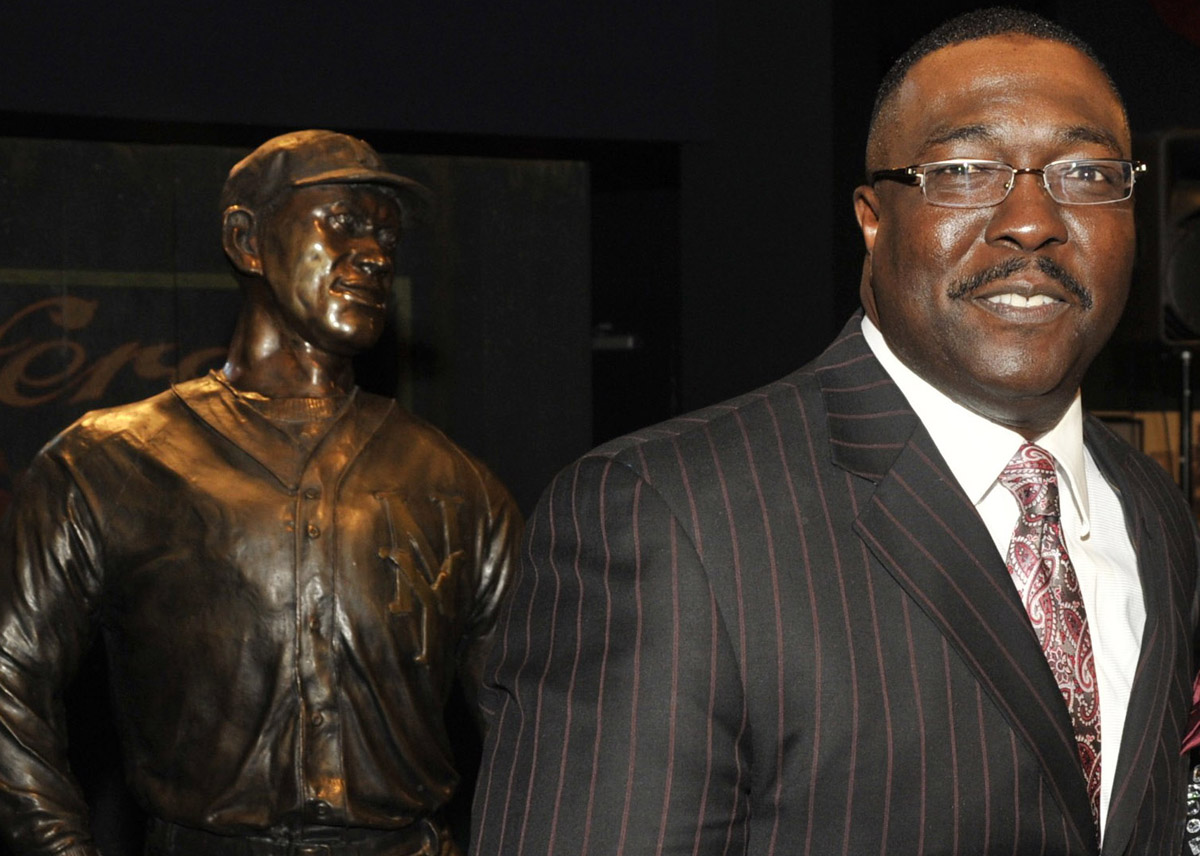 Bob Kendrick: My primary responsibilities are to provide effective leadership, management and operations of the Negro Baseball Leagues Museum and the development of the future John “Buck” O’Neil Education and Research Center. This includes managing a staff of seven; planning strategies to advance the mission and financial stability of the organization and develop and communicate goals and planning strategies with a local board and a national governing board for implementation. In addition, I’m also responsible for developing and managing community and corporate partnerships, programs, marketing, special events along with media, public and community relations.
MLB reports: What is the significance of having the museum in Kansas City? Was there ever a thought to build it beside Cooperstown?
 Bob Kendrick: Kansas City is the birthplace of the Negro Leagues and thus the rightful home of the Negro Leagues Baseball Museum (NLBM). In 1920, Andrew “Rube” Foster established the Negro National League in a meeting that took place in at the Paseo YMCA in Kansas City. Today, the NLBM operates two blocks from the historic Paseo YMCA and has designated the building as the future home of the Buck O’Neil Education and Research Center. There were never any intentions to build or move the NLBM to Cooperstown.
MLB reports: What does Buck O’Neil mean to the Negro Leagues Baseball Museum? How did the museum fare when he was alive and what has been the state of the museum since his passing?
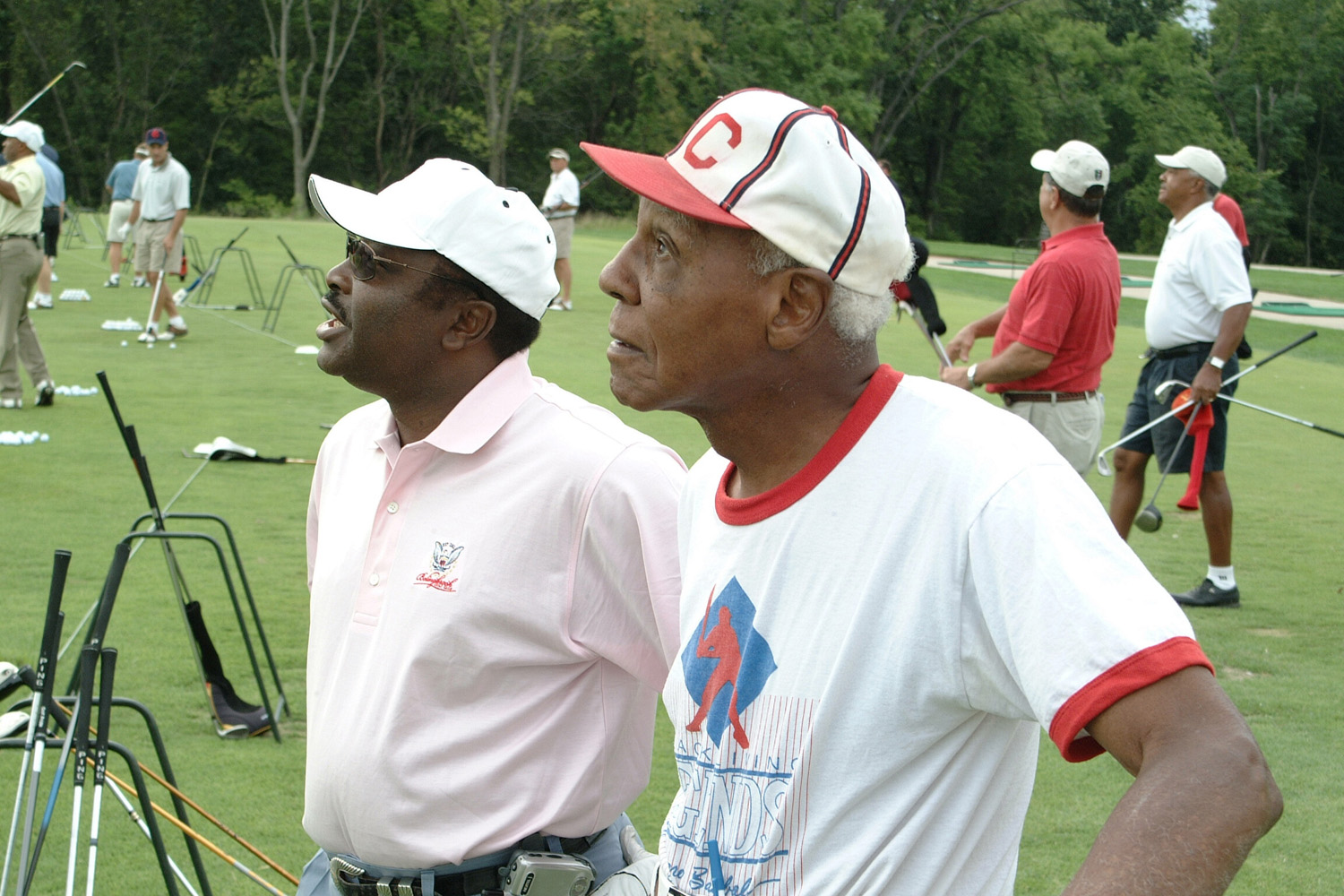 Bob Kendrick: Buck, along with the late Horace Peterson, were the co-founders of the NLBM in 1990. He served as the museum’s chairman for 16 years until his death in 2006 at age 94. Buck was the face of the NLBM and the museum’s inspirational leader and the person that is single-most responsible for its rise to prominence.
Buck’s death coupled with a down economy have definitely had an impact on the growth of the NLBM. To use a bad baseball analogy, Buck was our power hitter. When you take your power hitter out of the lineup you can’t expect that your offense is going to be as potent as it was with him in the lineup. The NLBM, like a lot of museums and particularly cultural institutions, have had its challenges but I feel strongly that we are poised to carry out Buck’s dream to sustain and grow this great institution.
MLB reports: Do you feel that there is pressure in your role to meet the expectations set by Buck O’Neil?
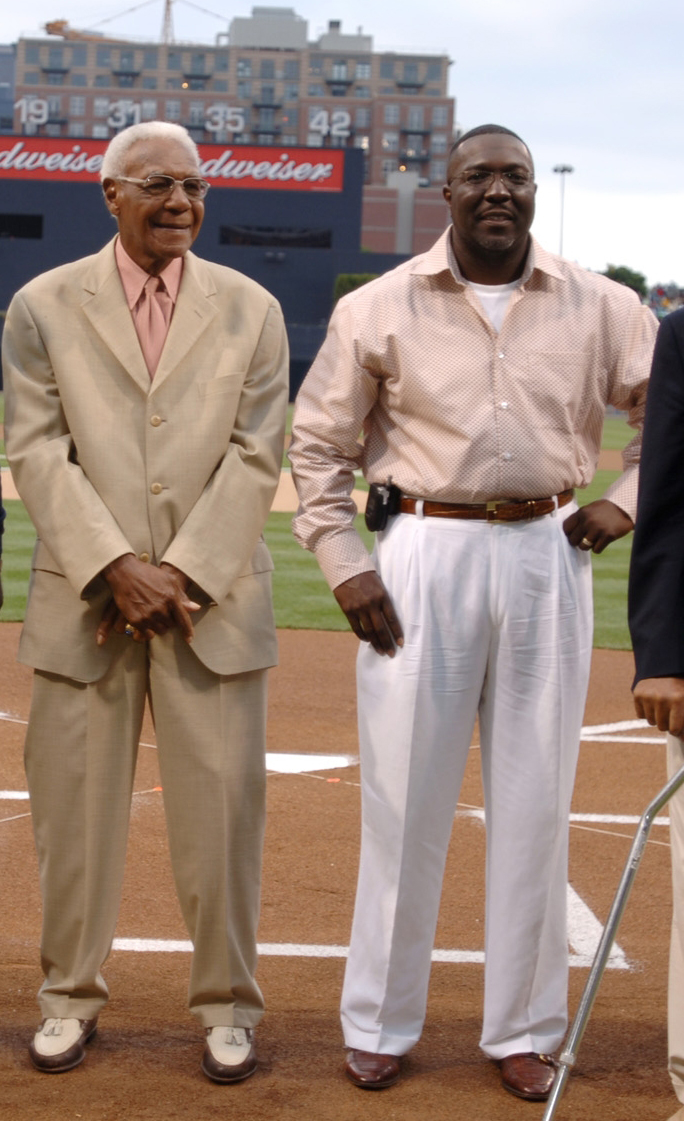 Bob Kendrick: No. There will never be another Buck O’Neil! What I’ve tried to do is embrace Buck’s legacy and use it as additional motivation to see that his museum continues to be successful. If there is any pressure, it comes from the understanding that you are responsible for an institution that we want to see stand the test of time. Ultimately, no one will have greater expectations of me than I have of myself.
MLB reports: What are your favorite exhibits at the museum?
Bob Kendrick: The Field of Legends is an amazing and awe-inspiring display. It is the centerpiece of the NLBM and features 10 life-size bronze statues of Negro League greats cast in position as if they were playing a game. The players were chosen because they represent 10 of the first group of Negro Leaguers to be inducted into the National Baseball Hall of Fame in Cooperstown.
A 1952 photo of a young Hank Aaron standing at the train station in mobile getting ready to leave to join the Indianapolis Clowns of the Negro Leagues is one of my favorites. I believe that photo is the validating point in the exhibit that visitors start to grasp how special the Negro Leagues were and the incredible level of talent the leagues featured. All of sudden, the stories that we’ve shared about the exploits of Josh Gibson, Cool Papa Bell, Satchel Paige, and the other legends become more real because Hank is a name that everyone knows and understands how impactful his career was.
MLB reports: Are there new exhibits this year that are in place?
Bob Kendrick: We’re developing a new exhibit on the life and times of Buck O’Neil in recognition of his 100th birthday (Nov. 13). The exhibit, entitled “Right on Time” is adapted from Buck’s critically acclaimed biography “I Was Right On Time,” and will be a chronology of his life featuring rare family and baseball photos, videos and works of art from a team of professional artists that interpret the meaning and impact of Buck’s illustrious life. The exhibit is scheduled to open at the NLBM on Oct. 6 which would mark the fifth anniversary of Buck’s death. It will be on display until January 2012. The NLBM is developing plans for a national tour of the exhibit.
MLB reports: Why should a baseball fan take the trip to visit the Negro Leagues Baseball Museum?
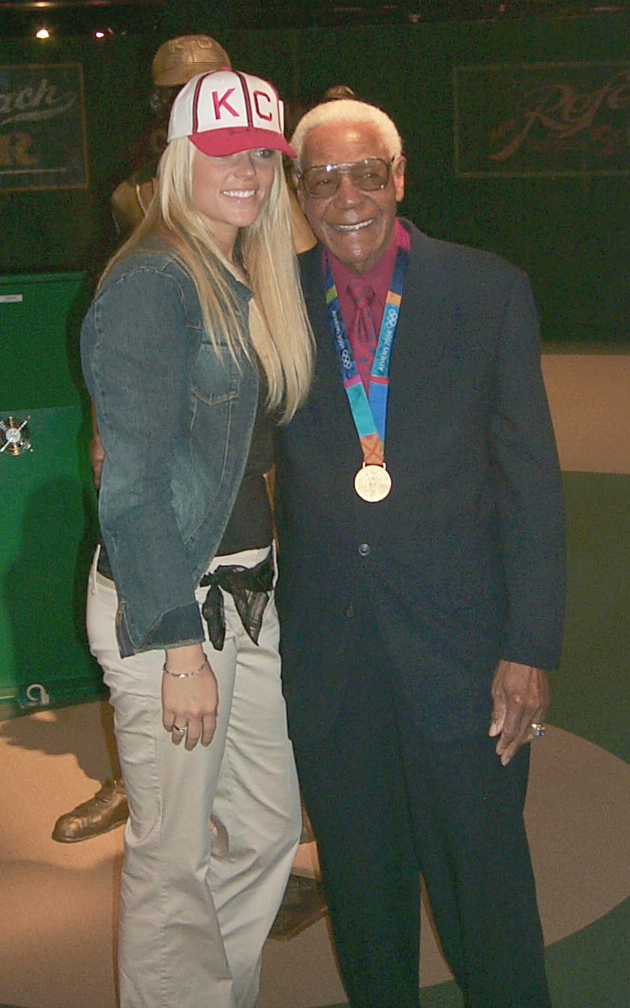 Bob Kendrick: I often said that there is no greater example of “love of the game” than there is when you bear witness to what the courageous athletes of the Negro Leagues endured to play baseball in America. Love of the game is something that every fan shares.
In some respect, as baseball fans, we’ve all been cheated by not having an opportunity to learn about America’s unsung baseball heroes prior to the rise of the NLBM. When you visit you going to meet some of the greatest baseball players to ever play the game. But more importantly, you are going to gain a perspective on how their determination, courage, passion and perseverance not only changed the game but America too.
MLB reports: You have rejoined the museum after a leave of absence. How did you find out you were offered the position of President and what was your decision-making process in deciding to accept the role?
Bob Kendrick: I left the NLBM in February of 2010 to accept the post as Executive Director of the KC office of the National Sports Center for the Disabled after being a part of the NLBM team for 12 years departing as VP of Marketing. I began having serious discussions with the museum’s board in March of this year. Betty Brown, chair of the museum’s board of directors, called on behalf of the board to offer me the job. On April 11, 2011 I began my tenure as President of the NLBM.
Like any major life-changing decision, I did a lot of soul-searching and had many discussions with my wife, Vanessa, and other members of my family. This was with the realization that sometimes the most difficult thing you can do is go back home. The NLBM had been home for me for 12 wonderful years and I was tremendously proud of what we had accomplished, but I honestly thought that chapter of my life was over. When this opportunity came about I didn’t want to make a decision with my heart and not my head, but I’d be lying if I said that my heart didn’t lead me back to the NLBM. It’s a tremendous honor to work with a great team and serve as leader of what I believe is one of the most important cultural institutions in the world.
MLB reports: It has been less than a year at the helm of the museum. What changes have you instituted since taking over?
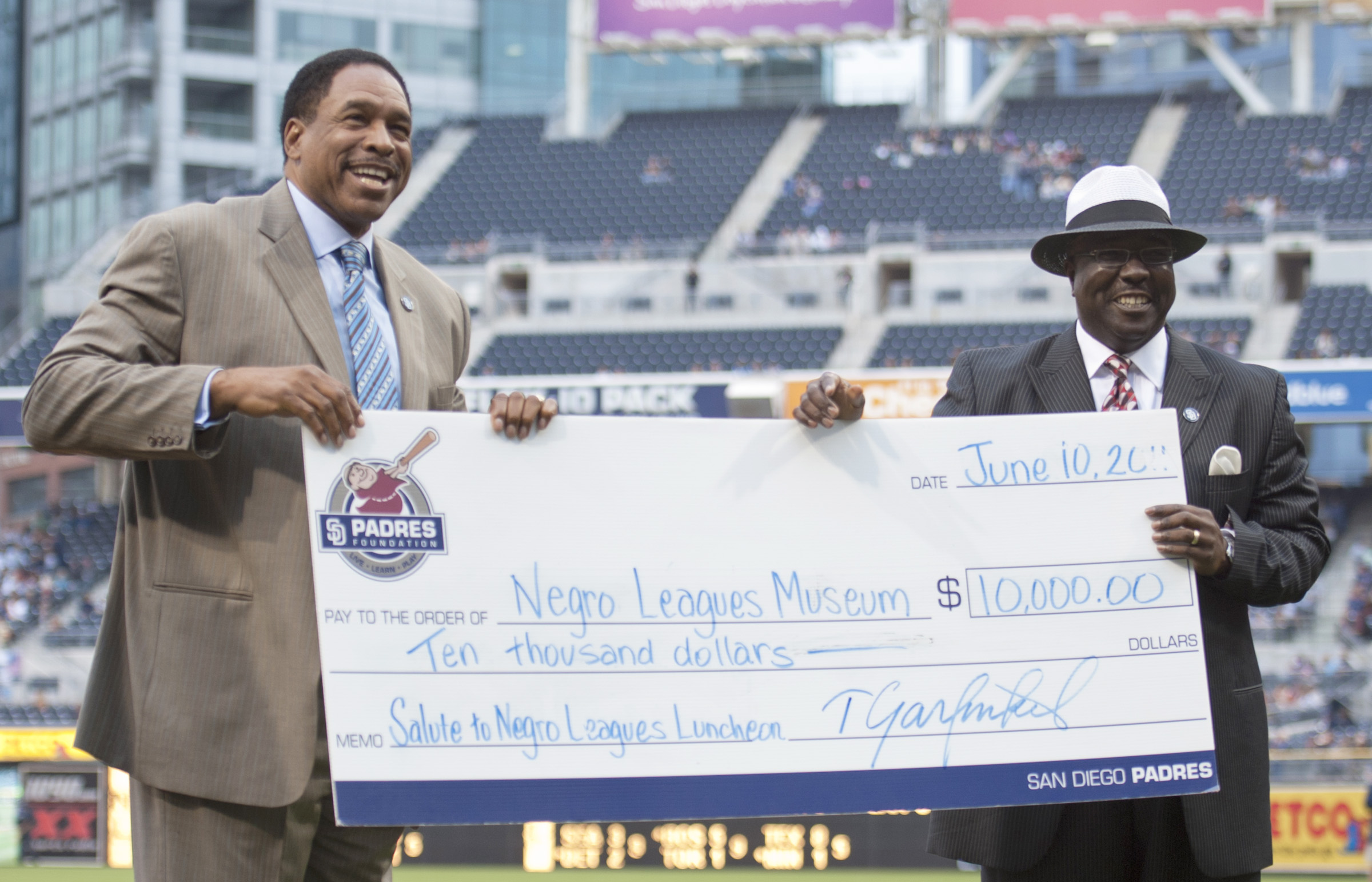 Bob Kendrick: My familiarity with the organization, staff and board has made for a pretty smooth transition. The staff, especially, have been great. For all of us, working at the NLBM is a labor of love and I’ve got a great team that has allowed me to move rather seamlessly into this new role.
My first few months on the job hasn’t been as much about implementing change as it has been about assessing all aspects of museum operations and the development of a tactical strategy to energize and generate operating revenue. We have a goal of balancing the budget by the end of this fiscal year which ends June 30 of 2012. I have every belief that we’ll be successful in attaining that goal.
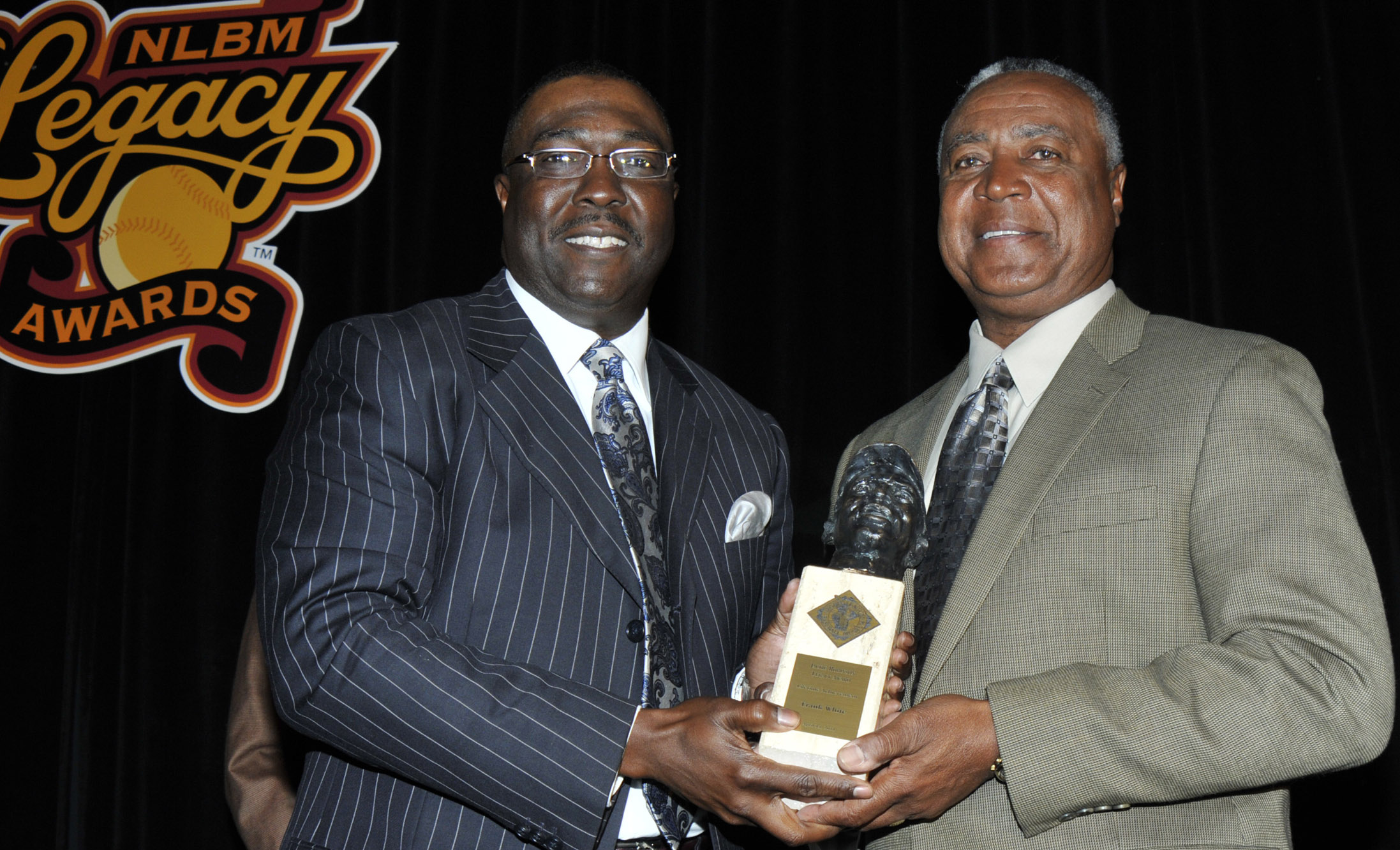
Any initial change has come from a programmatic standpoint. In June, we brought back our popular Legends Luncheon series. In October, we will introduce the Rube Foster luncheon and will honor former Kansas City Chiefs football great Deron Cherry for his career and leadership on-and-off the field. The Legacy Awards will return on January 14, 2012. The event honors the best Major League Baseball players, managers and executives with awards named for Negro League legends.
MLB reports: I read that C.C. Sabathia recently visited the museum. Who are some other current and former players that have visited the museum? Any stories?
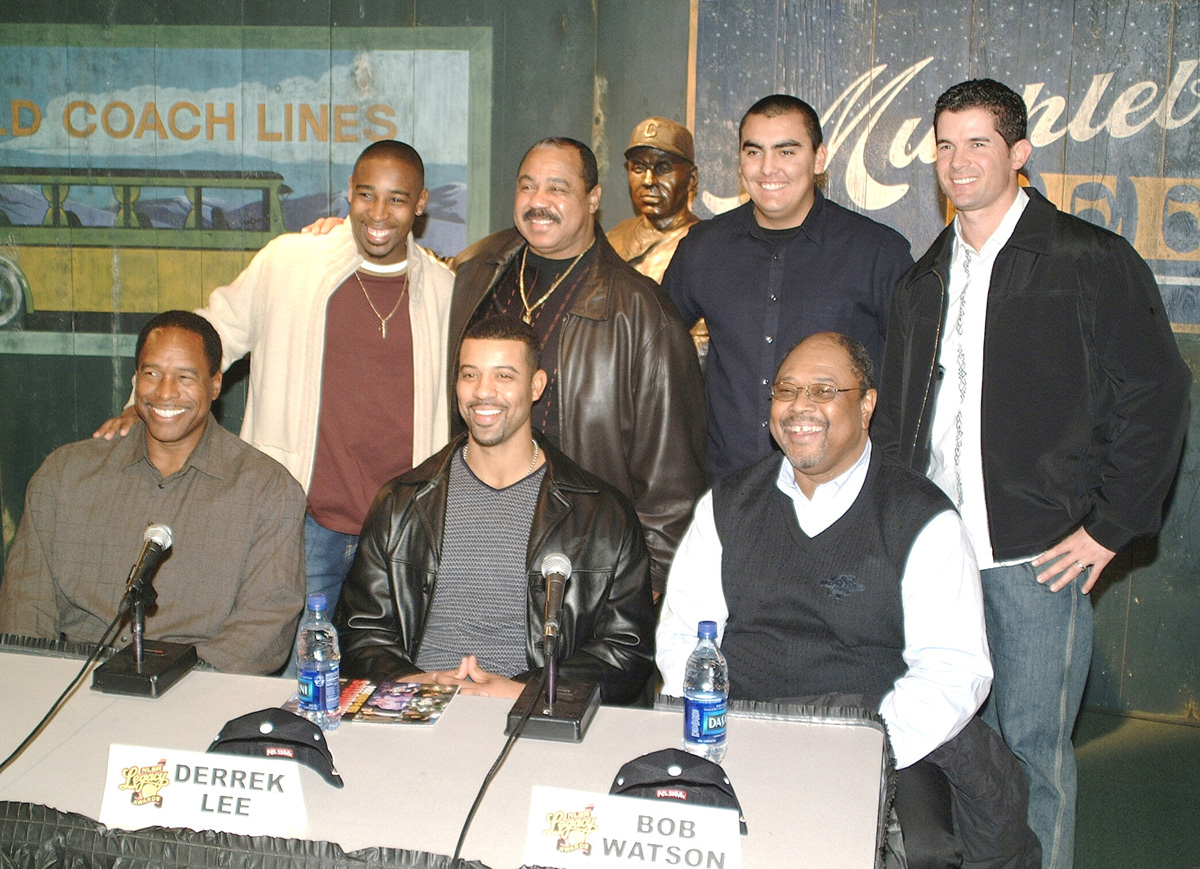 Bob Kendrick: CC has been a friend of the museum going back to his days with the Cleveland Indians. He always makes a point to visit when the Yankees are in town to play the Royals. While a member of the Indians, CC brought Cliff Lee to the museum. List of current current players includes: Derek Jeter, Albert Pujols, Ryan Howard, Prince Fielder, Torii Hunter, Justin Upton, Howie Kendrick, Chone Figgins, Derrek Lee, Jim Thome, Vladimir Guerrero, Jimmy Rollins, Juan Pierre and Jerry Hairston to name a few. Former Major Leaguers include: Hank Aaron, Willie Mays, Monte Irvin, Joe Morgan, Dave Winfield, Lou Brock, Ernie Banks, Ozzie Smith, Fergie Jenkins, Minnie Minoso, Jim “Mudcat” Grant, Ken Griffey, Sr., Jerry Manuel, Willie Randolph, John Smoltz, Buck Showalter, Roger Clemens, Barry Bonds, Bob Watson, Dusty Baker, Ozzie Guillen, Don Newcombe, Robin Roberts, Brooks Robinson, Maury Wills, Cecil Fielder, Rick Sutcliffe, Harold Reynolds, Frank White, John Mayberry, George Brett, Willie Wilson, Bo Jackson, Amos Otis and others.
Ryan Howard started visiting the NLBM before we knew who he was. At that time, Ryan was still in the Phillies’ minor league system. He’s never stopped visiting. He’s often said that he would visit as part of his ritual to prepare for Spring Training. He said he drew inspiration from their strength and dedication to the game that helped him deal with the difficulties he would encounter in the game.
MLB reports: What role do current and former players play in building and maintaining the museum? I personally think that current African-American players need to play a big part in attracting attention to the museum and inviting fans to learn and respect the past of the negro leagues. How has the process been to get players involved?
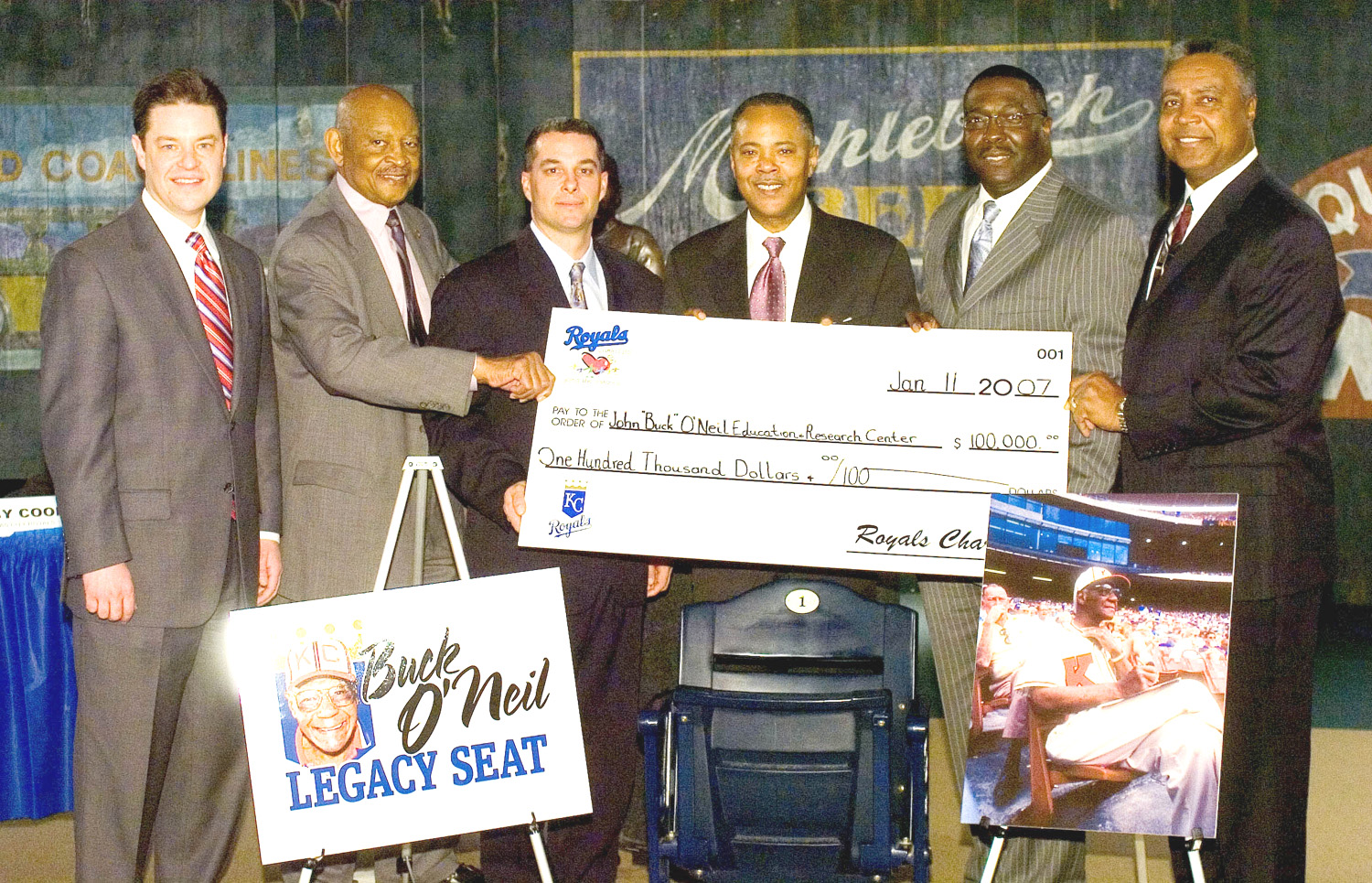 Bob Kendrick: We’ve made great strides in cultivating relationships with both current and former Major Leaguers. This takes on an even greater level of importance for the NLBM since the passing of Buck O’Neil. We’d like all baseball players to take more ownership in the NLBM and help us preserve this once forgotten chapter of baseball and American history. It obviously takes on an even great magnitude when we talk about the African-American and Hispanic baseball player. This is their story. Simply put, they would not have the opportunity to play the game they love had it not been for the sacrifice of those who played in the Negro Leagues.
MLB reports: Major League Baseball has teams play games yearly in Negro Leagues jerseys, which is a great way for fans to learn about the Negro Leagues. What other initiatives has MLB taken to assist in the education of the Negro Leagues? Does MLB and/or Cooperstown support the museum? If Major League Baseball sat down with you and asked what they could do to assist the museum, what would your answer be?
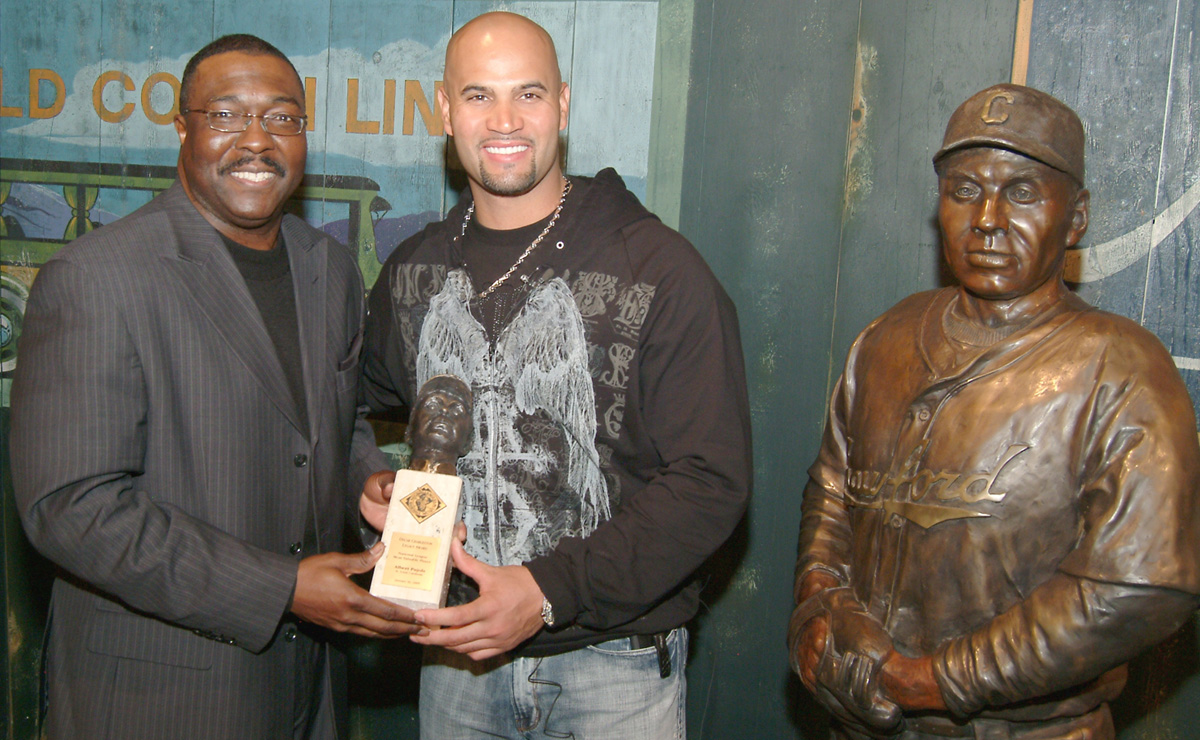 Bob Kendrick: Major League Baseball and its teams have played an important role in the success of the NLBM and helping educate fans about the history of the Negro Leagues. From the in-stadium salutes held by a number of teams, to celebrating Jackie Robinson, it’s all part of baseball’s embracing of the heritage of the game.
The museum has had (and continues to have) a meaningful and valued relationship with the National Baseball Hall of Fame.
In addition to funding, I asked MLB to create a national day of recognition for the Negro Leagues; partner with the NLBM on a national promotional campaign and provide leadership to serve on the museum’s board.
MLB reports: I have read many articles discussing the lack of interest in African-American boys in playing baseball, particular in inner-cities. With the lack of fields and the attraction of other sports, including football and baseball, it seems that baseball is having a hard time attracting African-American youth to the game. MLB is trying to encourage more participation through its programs. Is enough being done to get African-American children to play baseball?
Bob Kendrick: We want kids of all colors to play and enjoy the great game of baseball. The NLBM believes it has a social responsibility to make sure urban kids have the opportunity to play baseball.We want to use the history of the Negro Leagues as a tool to inspire kids to play. Progress is being made, but it is going to take a long and sustain collective effort. Major League Baseball has done a wonderful job, through its creation and support of initiatives like RBI and the various Urban Youth Baseball Academies, of creating opportunities for African-American kids to play the sport. But this is not Major League Baseball’s responsibility solely. If we are to reverse the trend, then baseball has to become important again to the African-American community.
MLB reports: Do you think that there is a correlation between the interest of today’s African-American youth in baseball and the interest in learning about the Negro Leagues Baseball Museum? I would be interested to hear your thoughts on the subject.
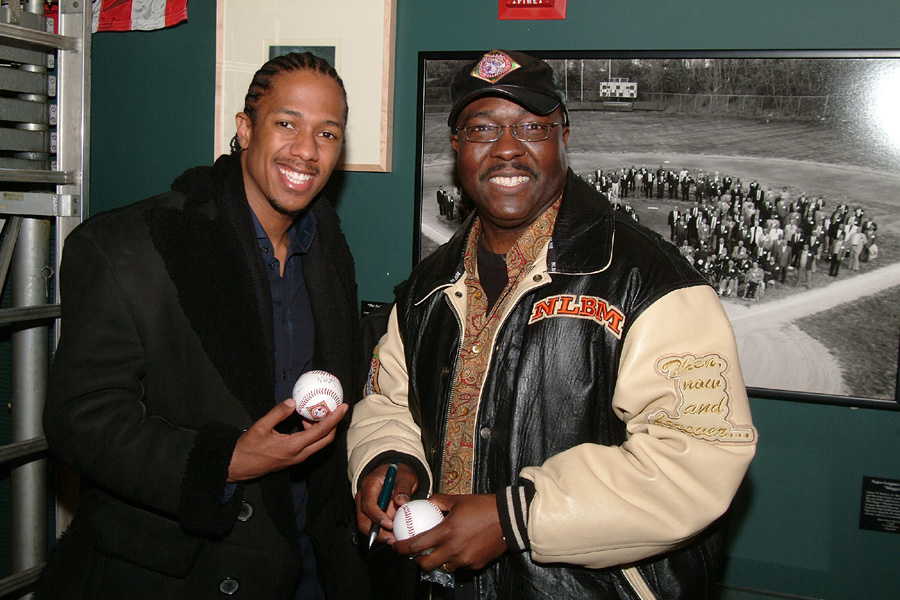 Bob Kendrick: We certainly believe the NLBM can serve not only as a resource to educate young people about the history of this country, but also inspire them by introducing them to men and women who overcame tremendous social adversity to play the game they loved. Urban kids who experience the NLBM can see people who looked just like them who were extremely successful playing, managing and owning baseball teams. The messages that stem from this powerful story transcends time, age, gender and race. Essentially, what the Negro Leagues teaches us is if you believe in yourself and you dare to dream then you can achieve anything you set your heart and mind to. That’s a universal message.
MLB reports: With the All-Star game coming to Kansas City, what events does the museum have planned as part of the festivities?
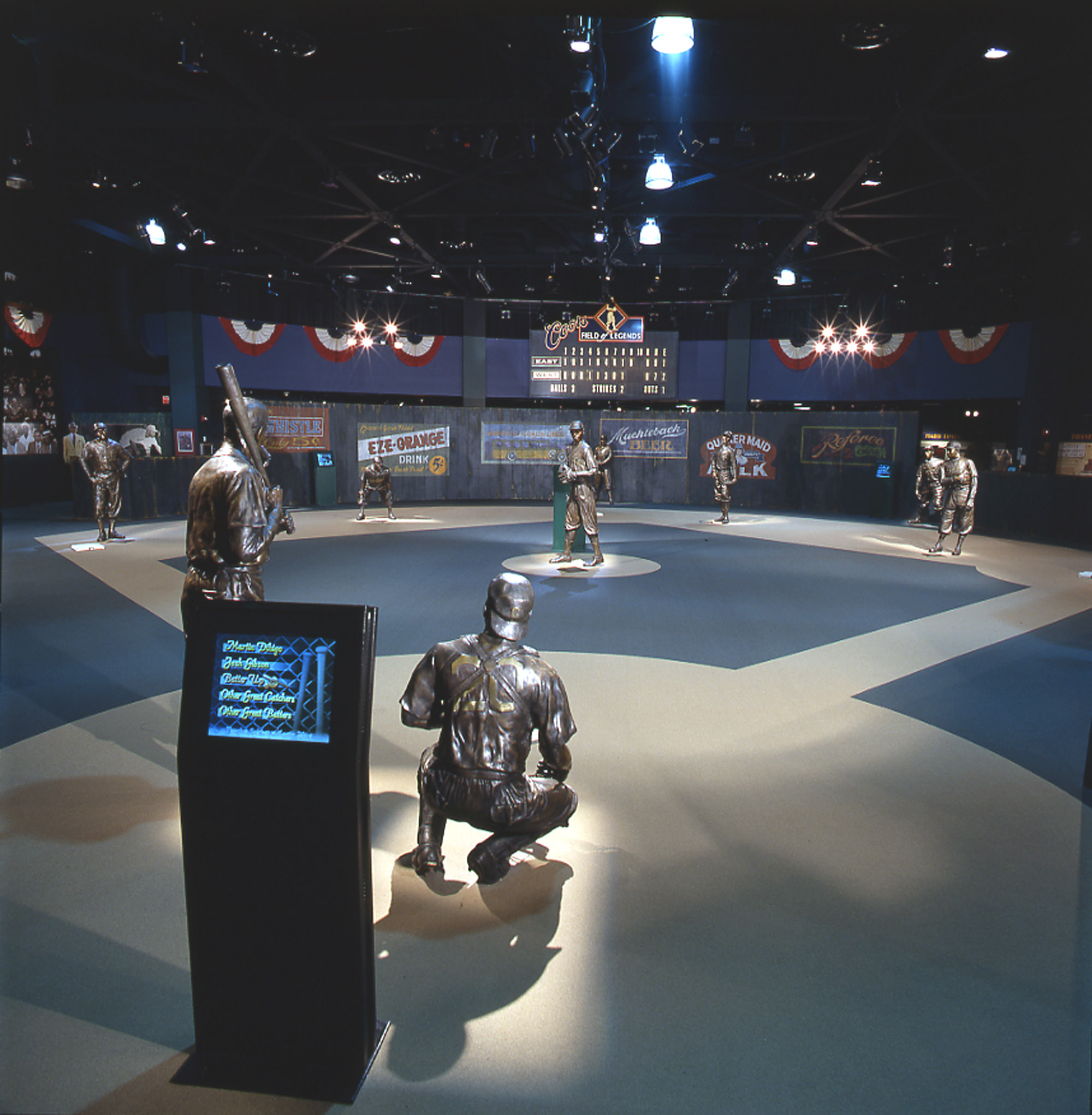 Bob Kendrick: First, I can tell you that no one is more excited about the All-Star game coming to Kansas City! There’s no doubt that the Kansas City Royals our great city will host one of the most memorable All-Star games ever. I’m confident that the NLBM will play a great role in helping make the event special.
We’ve already had great conversations with Major League Baseball and their event planning team about partnership opportunities for the 2012 All-Star game. Look for activities ranging from parties to player appearances to take place at the NLBM. Also, expect to see a new exhibition that will open in June of 2012 that will celebrate the players from the Negro Leagues who became Major League All-Stars. A planning committee is being developed to make sure we maximize the opportunities associated with the 2012 All-Star Game.
MLB reports: In five to ten years from now, what will be the future of the Negro Leagues Baseball Museum? What is your vision?
Bob Kendrick: Collectively, we are working to ensure the long-term sustainability of the NLBM. As we begin the next two decades of operation, we are dedicated to building a thriving, vibrant, cutting-edge institution that will not only celebrate and educate the public to the rich history of the Negro Leagues, but will continually challenge itself to make history relevant to an ever-changing society. Much of this will be solidified by the completion of the Buck O’Neil Education and Research Center which will provide an international headquarters for Negro Leagues history and social commentary on issues relative to race and sports.
MLB reports: If people would like to learn more about the Negro Leagues Baseball Museum and to visit, how do they go about getting more information? Also how can fans contact you with questions and comments?
Bob Kendrick: You can get more information about the museum at http://nlbm.com. Or, call the museum at (816) 221-1920. I can be contacted at bkendrick@nlbm.com or please follow me on Twitter @nlbmprez.
BUCK O’NEIL CENTENNIAL CELEBRATION: As part of our revenue generation plan, we’ve just launched a national individual fundraising campaign in remembrance of Buck O’Neil’s 100th birthday through the introduction of the BUCK O’NEIL ALL-CENTURY TEAM campaign. The effort is asking fans and friends to donate at least $100 in memory of Buck and in support of his museum. Every person who makes the $100 gift (or more) between now and Nov. 13, will have their name, family name or person they designate permanently recognized at the NLBM as part of a new display created to mark Buck’s milestone anniversary.
To sign-up for the BUCK O’NEIL ALL-CENTURY TEAM, visit http://nlbm.com or call the NLBM at (816) 221-1920.
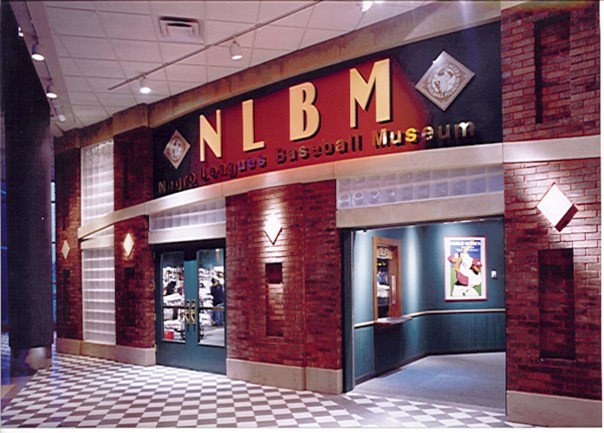
Thank you again to Bob Kendrick for taking the time out of his very busy schedule to joining us today on MLB reports. We highly encourage our readers to post at the bottom of the article any questions and/or comments that you have on the Negro Leagues Baseball Museum. As well, please feel free to contact Mr. Kendrick directly by e-mail or Twitter. He is very active on social media and welcomes your feedback!
**The photographs in today’s feature were provided by our guest, Bob Kendrick**
Please e-mail us at: MLBreports@gmail.com with any questions and feedback. You can follow us on Twitter and become a fan on Facebook . To subscribe to our website and have the daily Reports sent directly to your inbox , click here and follow the link at the top of our homepage.


 MLB Reports
You must be logged in to post a comment.