Blog Archives

Interview with Robbie Erlin: San Diego Padres Prospect
Monday October 31, 2011
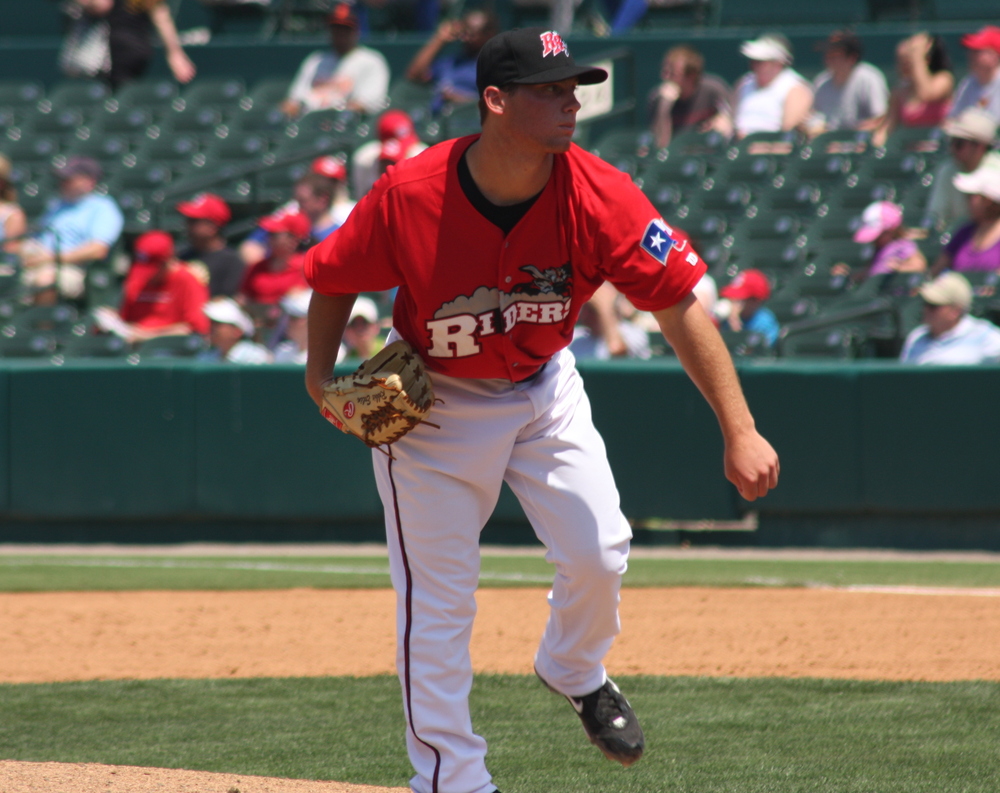
Jeff P (Guest Writer – MLB reports): I had the pleasure to recently interview one of the top prospects in the game, Robert Erlin of the San Diego Padres. The 21-year-old Erlin was drafted by the Texas Rangers in the 3rd round of the 2009 draft. After posting incredible numbers in his brief time in the Rangers organization, Erlin was traded in July 2011, with Joe Wieland for reliever Mike Adams. While Adams was a solid addition to the Rangers bullpen on the road to the World Series, Erlin exploded after the trade. In 6 starts with San Antonio in AA, Erlin had a 1.38 ERA, 1.154 WHIP and 31/4 SO/BB. On the fast track with the Padres, Erlin has a good chance of making his major league debut as early as 2012. Featured on MLB reports, I proudly present my interview with Padres Prospect, Robbie Erlin:
_________________________________________________________________________________________________________
MLB reports: Hey, Robbie. First of all, I want to thank you for being with us today, it really is an honor to have you with us. I’m sure you have a busy schedule so, let’s get this started. First off:
MLB reports: You have been outstanding to late, and even became a nominee of MLB.com‘s top 50 prospects, who can you thank for your success?
 Robbie Erlin: I would thank my dad who taught me how to pitch at a young age, Dave Salter, my pitching coach since I was 13 years old, all the coaches in the Texas Rangers organization who I have worked with during my first couple years of pro ball, and the coaches on the San Antonio Missions who I got to work with for a couple of months this season.
MLB reports: Was it hard to adjust from the Rangers to the Padres?
Robbie Erlin: It wasn’t too hard to make the adjustment. The Padres and Missions staff let me stick with my routines and throwing program and the players were very helpful with any questions that I had.
MLB reports: What do you think is unique about the San Diego Padres organization?
Robbie Erlin: The amount of young talent that they have in both the minor leagues and at the major league level.
MLB reports: What are your daily rituals, and hobbies off the field?
Robbie Erlin: I watch the TV show “Las Vegas” everyday before I go to the field. In the offseason I enjoy spending time with my family and visiting my friends who are in college.
MLB reports: You have been dominating lately. What changes have you made in order to succeed?
Robbie Erlin: I have really tried to concentrate on hitters’ tendencies and gaining information about offenses so I can apply it in my outings. Also, I have made small adjustments in my delivery so it looks the same on every pitch.
MLB reports: What were the reactions on you getting drafted, and the after party?
 Robbie Erlin: My family, friends, and I were very excited about getting drafted. I wanted to play baseball after high school and the Rangers provided me with the opportunity.
MLB reports: Out of your fastball, curveball, and change-up, what would you say is your strongest pitch?
Robbie Erlin: Fastball.
MLB reports: Is it safe to say we can see you in MLB in late 2012, or 2013?
Robbie Erlin: That is a decision for the Padres to make. I am going to focus on pitching and improving as much as I can.
MLB reports: Who do you look up to in the MLB?
Robbie Erlin: There is not one specific player. I watch all of them and try to learn from how they play the game.
MLB reports: What kind of music can one find on your iPod?
Robbie Erlin: Country, Classic Rock, Pop, and Rap.
MLB reports: What’s your favorite sport besides baseball?
Robbie Erlin: Football.
MLB reports: Who was the hardest batter you’ve faced in your professional career?
Robbie Erlin: Cody Hinze from Houston has always been a tough out for me.
MLB reports: Let’s end it off here: If you weren’t a baseball player, where would you see yourself today?
Robbie Erlin: I would be in college working towards a degree.
MLB reports: Thank you very much for taking your time out of your busy schedule so we can have you with us. Much appreciated!
Robbie Erlin: No problem. Thank you very much for the interview!
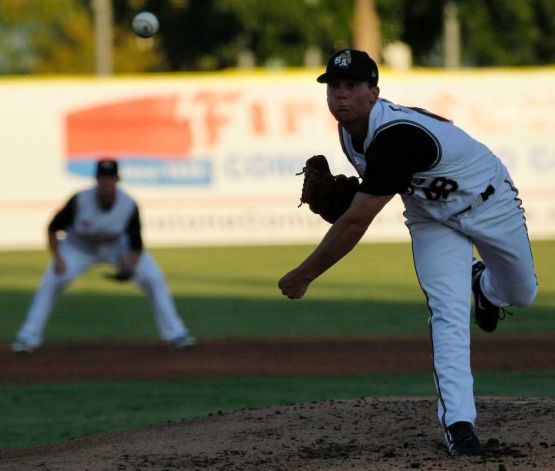
Thank you again to Robbie Erlin for taking the time to join us today on MLB reports. We highly encourage our readers to post at the bottom of the article any questions and/or comments that you may have for Robbie. As well, please follow Robbie on Twitter (@RobbieErlin11)
***Today’s feature was prepared by Jeff P, Guest Writer to MLB reports. We highly encourage you to leave your comments and feedback at the bottom of the page and share in the discussion with our readers. You can also follow Jeff on Twitter.***
Please e-mail us at: MLBreports@gmail.com with any questions and feedback. You can follow us on Twitter and become a fan on Facebook . To subscribe to our website and have the daily Reports sent directly to your inbox , click here and follow the link at the top of our homepage.

Interview with Christian Friedrich: Colorado Rockies Prospect
Friday October 14, 2011

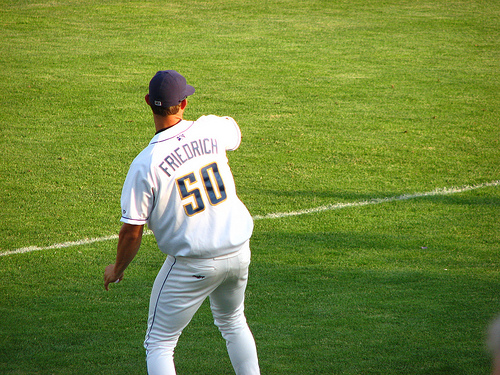
Jeff P (Guest Writer – MLB reports): Recently I had the honor of interviewing Christian Friedrich, top MLB pitching prospect. Speaking to Friedrich, I had the sense that he has the same key goal as many other baseball players: working hard to achieve his dream. Friedrich is a great guy and it was a pleasure interviewing him.
Firstly, I would like to relay some information on Chris, courtesy of Wikipedia:
“Christ Louis Friedrich (July 8, 1987 in Evanston, Illinois) is a left-handed starting pitcher in the Colorado Rockies organization. He currently plays for the Class AA Tulsa Drillers. He was drafted in the first round (25th overall) in the 2008 Amateur Draft out of Eastern Kentucky University.”
Considering that he was a prestigious first round selection, Chris is one of the most interesting guys you will ever meet in baseball. Chris has tremendous talent, to go along with his strong reputation in the game. Featured on MLB reports, I proudly present my interview with Rockies Prospect, Chris Friedrich:
_________________________________________________________________________________________________________
MLB reports: Welcome to MLB reports, Chris. I am starting you off with a tough question: you have struggled throughout your time in double-A ball. What do you feel has been the most difficult part of moving from A+ to AA?
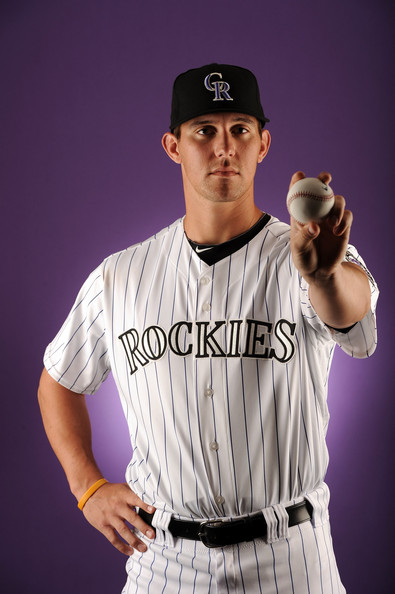 Friedrich: The hardest part about AA is being consistent. At the lower levels you can still get by on some of your bad days. In AA you have to be in it every day. The days you’re not pitching are just as important as the 5th day. Your routine has to be perfect and the same, your mental and physical preparation can’t skip a beat. All those things sum up in my mind to confidence. If you forget a certain lift, change your running routine, mental prep, or even your warm up before the game, it leaves doubt in your mind that doesn’t need to be lingering with you when you toe the rubber.
MLB reports: A few months ago, did you worry about the trade speculation around the clubhouse that you might be traded?
Friedrich: When the trade deadline comes around every year, you can’t help to listen in on what some of the guys or reporters are saying. For the most part though it’s something I can’t control and would deal with it if it happened. In all honesty though I didn’t and don’t think there’s a whole lot of teams looking for a guy like me after the season I put up and no one is more disappointed with that than myself. I had a good three months but couldn’t put it all together. I understand what I have to do, and that’s why this offseason is so important. There was a bit of a smile when that time passes because I love being a Rockie.
MLB reports: Daily rituals and hobbies, outside of the clubhouse?
Friedrich: For daily rituals as of now it’s a wonderful routine. Wake up and breakfast might be my favorite part of the day. Two eggs, two sausages, two toasts, and my beloved coffee from the Keurig. I’ll get my workout done in the mornings and then go for a swim. After that I usually go on the course or the range. I’m really roughing it (ha ha). It’s nice to be in one place for and extended period of time and develop the consistent routines. In the evening my other favorite hobby as many around me know is video games. I turned a closet into a video gamer’s paradise. My favorite part about video games is playing competitive games online with friends. It allows me to connect with buddies from back home, college teammates, guys I’ve played against, and even guys in our organization. It’s a lot easier than just sitting talking on the phone. I get to catch up with them and involve teamwork. I’m really excited for Modern Warfare 3 to come out.
MLB reports: What kind of music can one find on your iPod?
Friedrich: I have all genres of music on my apple products. My favorite would definitely be rock and roll. Led Zeppelin, The Doors, Steely Dan, Doobie Brothers, Grand Funk Railroad, and a lot of Fall out Boy. Home town band I really like. No Beatles!
MLB reports: You have suffered from injuries during your career. What effects did your health have on your baseball activities?
Friedrich: Injuries have plagued me through my career but I’m thankful they weren’t and major ones. You learn to deal with them and do everything you can to prevent them. When they first happen it’s hard to accept and deal with them. It’s a great way to train yourself mentally but that’s my only positive. All you can do is work your behind off to get back out there and help out the club. The past three years I’ve dealt with some tendonitis in my elbow. It’s a nagging injury that doesn’t sit you down always but prohibits you from keep up your routine. For example it doesn’t bother you much the day you pitch because you are usually amped up. But on those important days in-between, it makes it harder to work on the things you normally do. Certain lifts bother it, and most of all, certain pitches. I noticed this year my breaking pitches during that time weren’t as sharp and I was getting ahead, but not putting guys away. This comes from not practicing with them as much through your five-day routine. Now I have time to strengthen my body and smaller muscle groups to make sure I can prevent these (injuries) as much as possible.
MLB reports: Do you think we will see you in the big leagues sometime next year?
Friedrich: I’m hoping to shock some people come spring training and reach the expectations I’ve set for myself. I’m doing everything I can to get there but that’s not under my control. But I will try to make the decision very easy for them.
MLB reports: What do you think is unique about the Rockies organization?
Friedrich: The Rockies organization is unlike any other. Our staff is made up of the best around with great knowledge and experience. I feel like we’re taken in, like it’s a family. This is a very classy organization the prides itself on homegrown talent. I couldn’t be happier with where I’m at. From my experience, players who have left our organization and players that come to it, say it’s the best they’ve been a part of.
MLB reports: What was the worst moment of your baseball career thus far?
Friedrich: The worst moment of my career would probably be the collapse at the end of my season this year. Last year our big league club lost a lot of starting pitching to injuries and Ubaldo Jimenez to the trade. It would have been a prime opportunity for me to shine and I went in the opposite direction. I’m looking to fix that.
MLB reports: What are you planning to work on in the offseason to improve your pitching status?
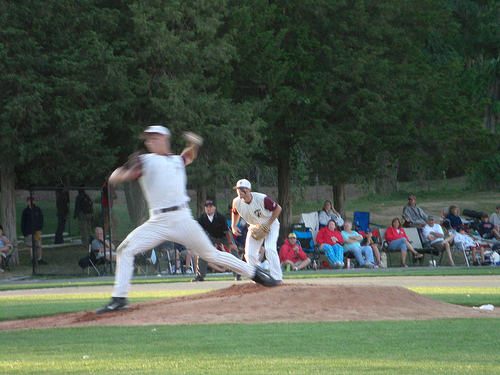 Friedrich: This offseason is again all about my routine and keeping good habits. I took about a week off and got straight to work. I’m using dry work everyday to solidify my mechanics so come February it’s an after thought. I’m incorporating swimming into my workouts to strengthen my shoulders and lats. I have dropped the bad weight and adding the good weight. My eating routine is helping with my energy and muscle-building. I am currently living in Florida by myself, so I don’t have distractions and have loved every minute of it. I started just a month ago and can’t wait come February.
MLB reports: You were drafted 25th, in the 2008 draft. What was the after party and the phone call like?
Friedrich: The draft day was a day I’ll never forget. I was blessed to have friends and family there to celebrate with me. It was hard to think while talking to reporters and answer questions, when I was still trying to wrap my head around it!
MLB reports: Who do you look up to in the big leagues?
Friedrich: I look up to a lot of our own players even at some of our levels. What I’m most impressed with, with majority of the big leaguers I have been around is their work ethic. Guys like Tulo, Helton, Blackmon, Belisle and EY all are workhorses in their own way. And there isn’t one way they all go about doing things. They have all learned for themselves what works best for them. They each have become machines of routine and excellence. My favorite pitcher by far though, like many others is Cliff Lee. He masters the strike zone and his command for all of his pitches is superb. My favorite thing is to watch his sequences and see how he sets up all his opponents. You watch highlights and can’t believe guys miss a pitch, but it’s how he has set them up.
MLB reports: I’ll end off here, if you were not currently a baseball player, what do you think you would be doing right now?
Friedrich: If I wasn’t in baseball? Tough one. If I never played in college, I would have like to go into dentistry or design. Since I am in baseball, I can’t get out. I love it. I would stay in the game whether it would be coaching or scouting.
MLB reports: Thank you very much for taking your time out of your busy schedule so we can have you with us. Much appreciated!
Thank you again to Chris Friedrich for taking the time to join us today on MLB reports. We highly encourage our readers to post at the bottom of the article any questions and/or comments that you may have for Chris. As well, please follow Chris on Twitter (@CFRIED12)
***Today’s feature was prepared by Jeff P, Guest Writer to MLB reports. We highly encourage you to leave your comments and feedback at the bottom of the page and share in the discussion with our readers. You can also follow Jeff on Twitter.***
Please e-mail us at: MLBreports@gmail.com with any questions and feedback. You can follow us on Twitter and become a fan on Facebook . To subscribe to our website and have the daily Reports sent directly to your inbox , click here and follow the link at the top of our homepage.

MLB Global: Creation of MLB Dominicana, International MLB Drafts and Leagues
Thursday July 13, 2011

MLB reports: In our never-ending quest to revitalize and reform baseball, we have discussed and covered in previous editions of the Reports several cutting edge topics. We have looked at MLB Expansion, the new format introduced for the 2013 edition of the WBC, expanding the MLB Playoffs and proposing MLB Realignment. If you thought that we were radical thinkers up until now, well then you haven’t seen anything yet. Today we bring you the new international MLB system, a creation that we feel is long overdue. Discussions have existed for many years in baseball circles that the international development of talent and leagues by Major League Baseball is not working. With the formation of MLB Global, that is all about to change.
 There are several international matters being discussed currently as the MLB Collective Bargaining Agreement is set to expire on December 11, 2011. At the forefront is the current system of signing of international free agents by MLB teams. Under the current system, international talent is not subject to a draft and salary recommendations and as a result, when the international free agency period begins, all talent in applicable areas are available to teams at the highest bidder of each player’s choice. Eligible countries include the Dominican Republic, Venezuela, Mexico, Panama, South Korea, Taiwan, Australia.
From there, Japan is under another system called posting, whereby until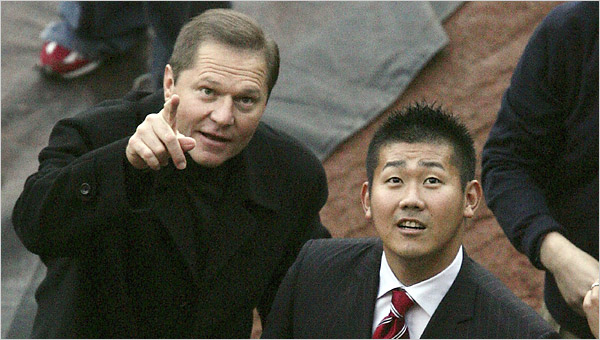 a player has nine years experience in the Japanese league and is exempt, his controlling Japanese team can offer his rights to MLB teams if requested by the player and consented by the team. MLB Teams submit secret bids over a four-day period. If the Japanese team accepts the winning bid, from there the highest offer then allows the winning team a 30-day window period to negotiate a contract with the player. If the two sides cannot come to terms, the player stays in Japan and the posting fee is returned to the MLB team. Two examples of distinct systems that are currently in place in baseball, but neither appears to be working particularly well.
I have read commentators calling for many changes to the current international baseball markets in relation to Major League Baseball. I have heard the cries for an international draft, whereby all eligible players would be required to be drafted to join a MLB team. There would be anything from recommended slot salaries, to a soft or hard cap. Having most international players simply available to the highest bidder is seen as circumventing the equality and fairness principles behind a draft. Teams like the Yankees and Red Sox can afford to lose draft picks in signing top free agents, as they are able to recoup the prospects back in the international market. But if there was a draft system in place, there would be more opportunity for other teams to have access to top international prospects. But how to hold such a draft and what countries to include? These are questions that linger and result in delays to changing the international system. Then there is the Japanese posting system to contend with and how to liberate Japanese players to Major League Baseball. We may not have all the answers, but there is a starting point. MLB Global.
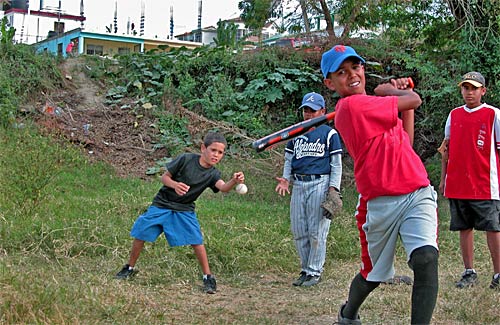 For simplicity of this article, we will use the Dominican Republic and Japan as examples of territories for MLB Global. From there, the boundaries will be increased until even one day, Cuba could become a territory. But let’s start the discussion with explaining what is MLB Global. The mandate of MLB Global would be the expansion of the MLB brand around the world. Depending on the countries involved, MLB Global would be creating for the most part either sister MLB leagues or MLB affiliated leagues. Let’s start with our inaugural league: MLB Dominicana. Long known for producing top baseball talent, the Dominican Republic is one of the world’s greatest baseball hotbeds. Major League teams have been building academies in the Dominican for years and attempting to cultivate new prospects. But a quandary exists in the Dominican. While the Dominican has a great deal of talent, it still has room to grow. Yet only certain teams are established in the country, while others stay away. Some analysts believe the area is saturated and it is time to discover new areas of development. I believe that more investment is actually needed, but in a manner that will benefit Major League Baseball as a whole rather than select teams. More prospects could be developed in the Dominican if the proper funding and system were put into place. The Dominican has not hit its limit, but rather has not yet even met its potential. MLB Dominicana can work towards utilizing and maximizing the talent available in the Dominican.
MLB Dominicana would be established as follows. A league would be formed,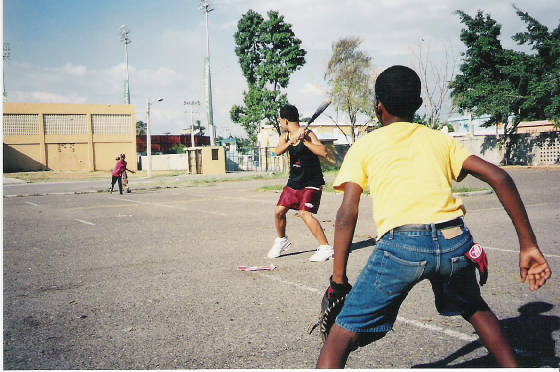 either through an existing Dominican baseball league or a completely new league. The league could have ten to sixteen teams to start off and eventually grow to thirty teams over the years. The goal would be for every MLB team to have a sister team as part of MLB Dominicana. From there, every eligible Dominican player would need to be drafted by a MLB Dominicana team, which would essentially give that player’s rights to his North American MLB team. Creating this system would be taxing initially for each MLB team, but a system of co-ownership and co-management could be created between each MLB team and their affiliate team in the Dominican. What is envisioned from there, is the cross-development and mobility of players between MLB and MLB Dominicana. Let’s take the for example the Colorado Rockies and if they had a sister MLB Dominicana team, the Boca Chica Thunder. The Thunder are involved in a yearly player draft, as is done in Major League Baseball. In the 2011 draft: 1st round, 5th overall, the Thunder take 16-year old shortstop Pedro Beltran. Once the Dominican player is drafted by the Thunder, the Rockies would have the ability to either keep Beltran in MLB Dominicana to play for the Thunder or to bring him over to North America to play in the minors or majors. The Rockies would be responsible for Beltran’s signing bonus and salary regardless of where he plays. The creation of MLB Dominicana creates an incentive for MLB teams to invest resources, including money and coaching to the Dominican area. Players like the fictitious Pedro Beltran would be able to stay home and continue their baseball development and integrate easier to North America. A win for the Dominican Republic, its baseball fans, the players and MLB teams.
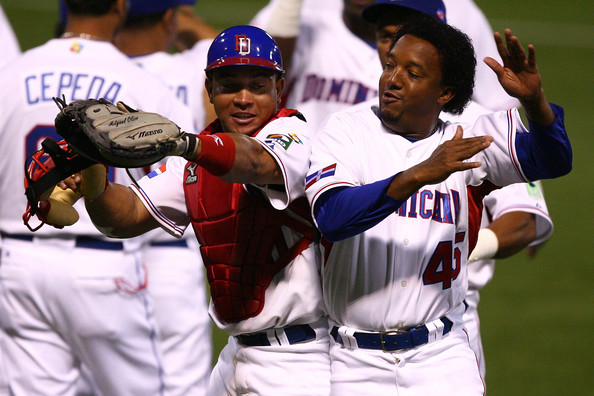 But wait, there is more. The mobility of players from MLB Dominicana to North America could work the reverse way as well. Younger players with options in North America would be available to play for the sister MLB Dominicana team as well. Take the Rockies again. They have a young pitcher in their system by the name of Casey Weathers. Once considered to be their closer of the future, Weathers is now 26-years of age and pitching in AA. His numbers are not at the highest level and his stock is starting to fall. The Rockies could move Weathers over to MLB Dominicana, to either pitch out of the Thunder’s bullpen or stretch him out as a starter. We are starting to see more mobility of North America players to international baseball markets. Ryan Garko in Korea. Josh Fields to Japan. Heck, think of Tuffy Rhodes and Cecil Fielder with home run records and Matt Murton becoming the single season hit king in Japan. As baseball becomes a true international sport and the level of talent increases, the amount of available positions on each MLB affiliate team in North American decreases drastically. Having MLB Dominicana available to North American teams to develop and provide opportunities to its younger players would be invaluable. In addition, the younger Domican players would benefit from having North American teammates to assist in their own development as players by sharing and learning each one’s knowledge and style of play. Again, a win-win proposition.
As MLB Dominicana advances and grows, its limits are endless. Additional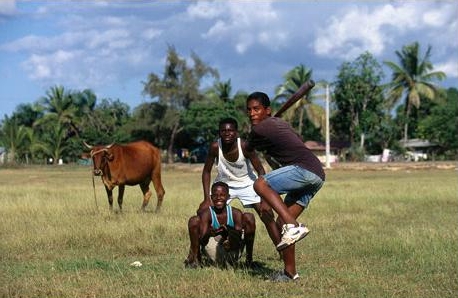 minor league levels can be established as the number of teams and available players can grow. MLB Dominicana can have its own AAA and AA levels as is done in North American ball. Local sponsorship and support would be difficult, given the economic difficulties faced by the region. The revenue stream would be of less focus as in comparison to the talent that the league produces. For the money that each team puts into MLB Dominicana, the end result will be more talent in North America eventually for each MLB team. Probably the biggest obstacle that MLB Dominicana will face is perception. Critics will point to the failure of NFL Europe and predetermine the inability of MLB Dominicana to succeed. While NFL Europe has some similarities to MLB Dominicana, the goals and focus of each league is different. NFL Europe was created to be a money-making operation and grow the NFL brand and work as a farm system/development league for the NFL. MLB Dominicana will work towards building the MLB brand, but in the development of local talent rather than just operating as a pure minor league affiliate system. Rather than simply opening academies, training young players and hoping to sign them one day as free agents, MLB teams will draft the same hometown players through their MLB Dominicana team and grow and develop each player until they are ready for North America. MLB Dominicana will not be a money-maker or loser, but rather an investment in the development of talent. As the league becomes more competitive and popular, international merchandising and television rights would develop as well. NFL Europe was seen as a watered down, poor man’s version of the NFL. Football’s answer to Euro Disney. MLB Dominicana will not try to recreate or become Major League Baseball in Dominican. It will become a complimentary league. The potential is there to create a thriving baseball league that will develop talent in a popular baseball market, while creating an organized system of drafting and development of players between MLB teams.
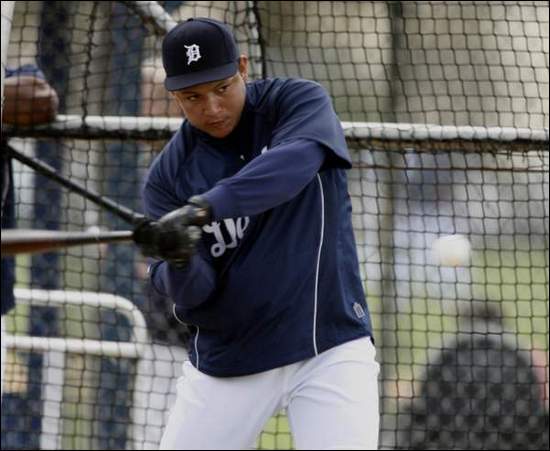 MLB Global would be in charge of finding countries like the Dominican Republic where the creation of MLB leagues is feasible from a talent, political, economical, cultural and social points of view. Mexico and Australia would seem like ideal candidates, as would South Korea and Venezuela depending on political agreement and safety. The baseball talent base in Venezuela for instance, is too rich for Major League teams to ignore. The creation of MLB Venezuela would create a further pipeline of talent by way of investment in the growth and expansion of baseball in such an area.
The ultimate future league that is dreamed of is MLB Cuba. There is no denying the level of talent in Cuban baseball, as seen in international tournaments and WBC showings in years pasts. Given the political and economical turmoil in the region, details of which are beyond the scope of this article, needless to say that many changes would have to occur politically before such a concept could even be discussed. But perhaps the common love of baseball could one day bring Cuba to a system of change economically, which would allow both its country and the sport it loves to thrive. Or perhaps this is just wishful thinking.
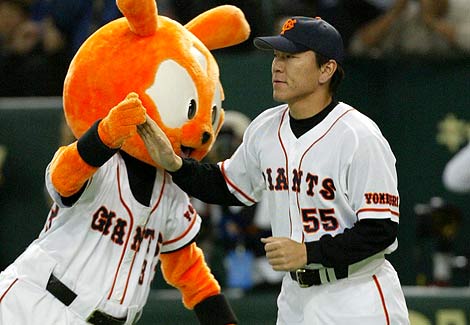 The last country to review is Japan. One of the powerhouse baseball countries, Japan has won both of the World Baseball Classic tournaments. With its high level of talent and existing Nippon Professional Baseball league (NPB), Japan may not take too kindly to transforming its current system to MLB Japan. Pride, development, ownership and decision-making all come into play as to who will run individual teams and control the use of players. In such a scenario, as well as other countries with existing leagues and teams that are not interested in being co-run and managed by Major League Baseball and its teams, a different arrangement will be needed.
The proposal is an affiliation structure, whereby MLB teams would have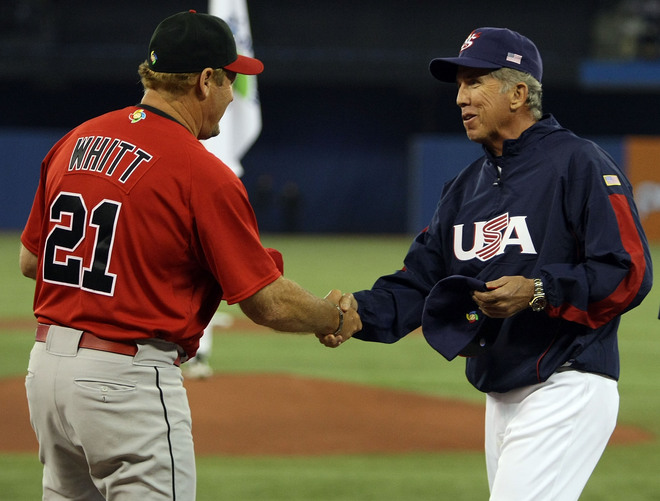 affiliation agreements with NPB teams. As an example, the Colorado Rockies and the Chunichi Dragons could align and have an affiliation agreement. The Rockies and Dragons could cross-promote their teams and products through the affiliation. But most importantly, the transfer of younger eligible players would be between the affiliated teams only. So the Rockies could transfer Casey Weathers to play for the Dragons. The Dragons in turn, could send pitcher Yuta Muto to play in North America for the Rockies organization. Each team would be responsible for the salary of the respective player when playing as part of its professional league. The incentive for the Dragons would be the investment by the Rockies into baseball development in the area, including coaches and infrastructure. The Dragons would have access to more North American players and the Rockies and Dragons would be able to share baseball knowledge and information to better their organizations. In return, aside from the sharing of resources, the Rockies would have access to Dragon players and increase its own prospect pool. Fine tuning would be required as to eligibility and number/types of players that would be able to be transferred. But in such a system, the Rockies would have a vested interest in the players drafted and developed by the Dragons and vice-versa. There would be a high level of trust and commitment to the teams working together as part of the affiliation program in developing teams and players. But if all goes well, both leagues would benefit from working together and would bring an end to the expensive and unproductive posting system. Japan could act as the training ground for the affiliation system and if it works, could lead to the expansion of the NPB by more teams and use of the affiliation system in other countries.
Overall, it is clear that the international baseball scene is very complex and confusing. Major League Baseball appears to be ready to make changes and bring about a new structure and system whereby international players come to North America to play ball. As part of this article, the idea being presented is that such a change will not occur unless Major League Baseball works with the other countries and baseball leagues to make this happen. Whether MLB leagues start forming slowly across the world, including MLB Dominicana, or affiliation systems are put into place between teams from MLB and other countries, some sort of partnership is desperately needed. It will cost MLB and its teams millions of dollars, time and personnel to make MLB Global a reality. While this may not happen tomorrow or ever, we hope that they will at least work to making the dream of global baseball a reality.

Please e-mail us at: MLBreports@gmail.comwith any questions and feedback. You can follow MLB reports on Twitter and “like” us on Facebook . To subscribe to our website and have the daily Reports sent directly to your inbox , click here and follow the link at the top of our homepage.


 MLB Reports
You must be logged in to post a comment.