Blog Archives

Interview with Orioles Catching Prospect: Tanner Murphy
Thursday November 24, 2011
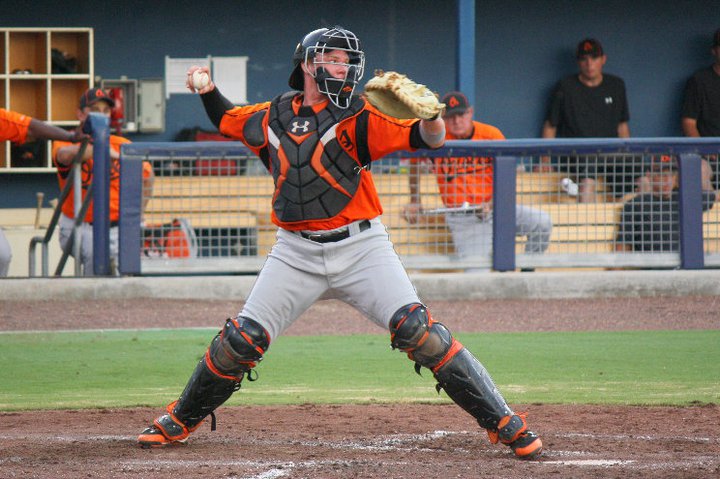
Jonathan Hacohen: We are proud to welcome to MLB reports: Tanner Murphy, catching prospect for the Baltimore Orioles. Tanner was a 22nd round selection for the Orioles in the 2010 draft. At 19-years of age, Tanner recently completed his 2nd season with the Orioles organization, playing in the Gulf Cost League. Coming off elbow surgery, Tanner looks to be healed and ready for the start of spring training. 2012 represents a big year for Tanner as continues to work his way up the Orioles ladder and one day join the big club in Baltimore.
Featured on MLB reports, I proudly present my interview with baseball prospect, Tanner Murphy:
_______________________________________________________________________________________________________
MLB reports: Welcome to MLR reports Tanner and thank you for taking the time today for us. Who was your favorite baseball player growing up, that you most idolized and patterned your game after?
Tanner Murphy: Growing up, I idolized Ken Griffey Jr. And Paul Lo Duca.
MLB reports: Which current MLB star do you most admire and why?
Tanner Murphy: The current MLB player would be Matt Wieters because he smart and smooth behind the plate.
MLB reports: Reflecting on your career to-date, what are your proudest accomplishments on the baseball field?
Tanner Murphy: I would have to say every game that our team wins and all games when our pitchers feel comfortable no matter what happens on the mound.
MLB reports: What are your goals going into the 2012 season?
Tanner Murphy: I have many many goals going into this next season. A couple main goals are to stay healthy the whole season and to become a better catcher and hitter than I was the year before and learn.
MLB reports: When you first found out you were drafted, what was going through your mind?
Tanner Murphy: Honestly, the first thing that what went through my mind was: Wow! It was almost surreal. I worked so hard towards that day growing up.
MLB reports: What round did you expect to be drafted and what was the process like signing with the Orioles?
Tanner Murphy: I really wasn’t thinking an exact round, just was going with the flow. The process was a lot of phone calls and thinking and guessing. It was a very busy process.
MLB reports: What do you consider your greatest baseball skill(s)?
 Tanner Murphy: I feel that I am pretty skilled in all aspects of the game, but everyday I can learn and get better to become the best that I can be.
MLB reports: What facets of your game do you most wish to improve upon?
Tanner Murphy: I feel every part of my game. There is always room for improvement. It is a game of failure and you can’t be perfect in this game.
MLB reports: How do strikeouts and walks figure into your game?
Tanner Murphy: Strikeouts actually tell you a lot about your next at-bats and can help me become a better hitter. Walks are the same way- just reading the pitchers.
MLB reports: Do you see any of these items changing over time and to what degree?
Tanner Murphy: Yes. I see that from strikeouts and walks I will continue to get better learning which pitches that I can handle and can’t handle during each of my at-bats.
MLB reports: Long term do you see yourself staying behind the plate considering Matt Wieters is the current starting catcher? How do you view your role in the organization?
Tanner Murphy: As for now, I do see myself still behind the plate. Given my age, I have some time. I feel that my role is to get better and do everything I can do to help the big league club win.
MLB reports: How do you see defense as part of your overall game?
Tanner Murphy: Defense is the most important part of my game. Being a catcher, I see everything and handle the pitchers. My job consists of making the pitchers get through the game, no matter the situation and to know the other hitters.
MLB reports: If you had to look into a crystal ball, when do you see your expected time of arrival in the big leagues and what do you think you need to do most to get there?
Tanner Murphy: I can’t really put a time on getting there. I just need to do everything and work hard to get myself there. No matter how long it takes.
MLB reports: Has pro ball been everything you expected it to be thus far?
Tanner Murphy: For the most part yes. There have been some things I wasn’t expecting, but that is the case in everyday life as well.
MLB reports: What do you do for fun when you are not playing baseball? Best friend(s) on the team that you most hang out with and what do you guys like to do to chill?
Tanner Murphy: When baseball is done for the season, I just hang out, travel, visit family, watch some football and basketball (when there is not a lockout). But doing that can only last for a couple of months, until the end of November. At the start of December, I usually start training again getting ready for the season.
MLB reports: Tell us more about your recent elbow surgery: what was the nature of the injury leading up to the surgery and how is your recovery going?
Tanner Murphy: I had surgery on my right elbow- my throwing arm. I had an ulnar nerve transposition. The nerve when I was throwing was so loose that when throwing, it would move. When I was throwing then moving back every time it became loose to the point that I could feel it. I had numbing in my ring and pinky fingers. As for my recovery, I am ahead of schedule. I have no more numbing and have a full range of motion. I should be all ready for spring training come February/March.
MLB reports: Do you have a favorite pre-game meal?
Tanner Murphy: I never really had a favorite pre-game meal. But I always do the exact same thing before every game.
MLB reports: Final Thoughts?
Tanner Murphy: Glad to help out. For the readers: hope you enjoy! Thanks MLB reports.
Thank you again to Tanner Murphy for taking the time to join us today on MLB reports. We highly encourage our readers to post at the bottom of the article any questions and/or comments that you may have for Tanner. As well, please follow Tanner onTwitter (@TMurphy20)
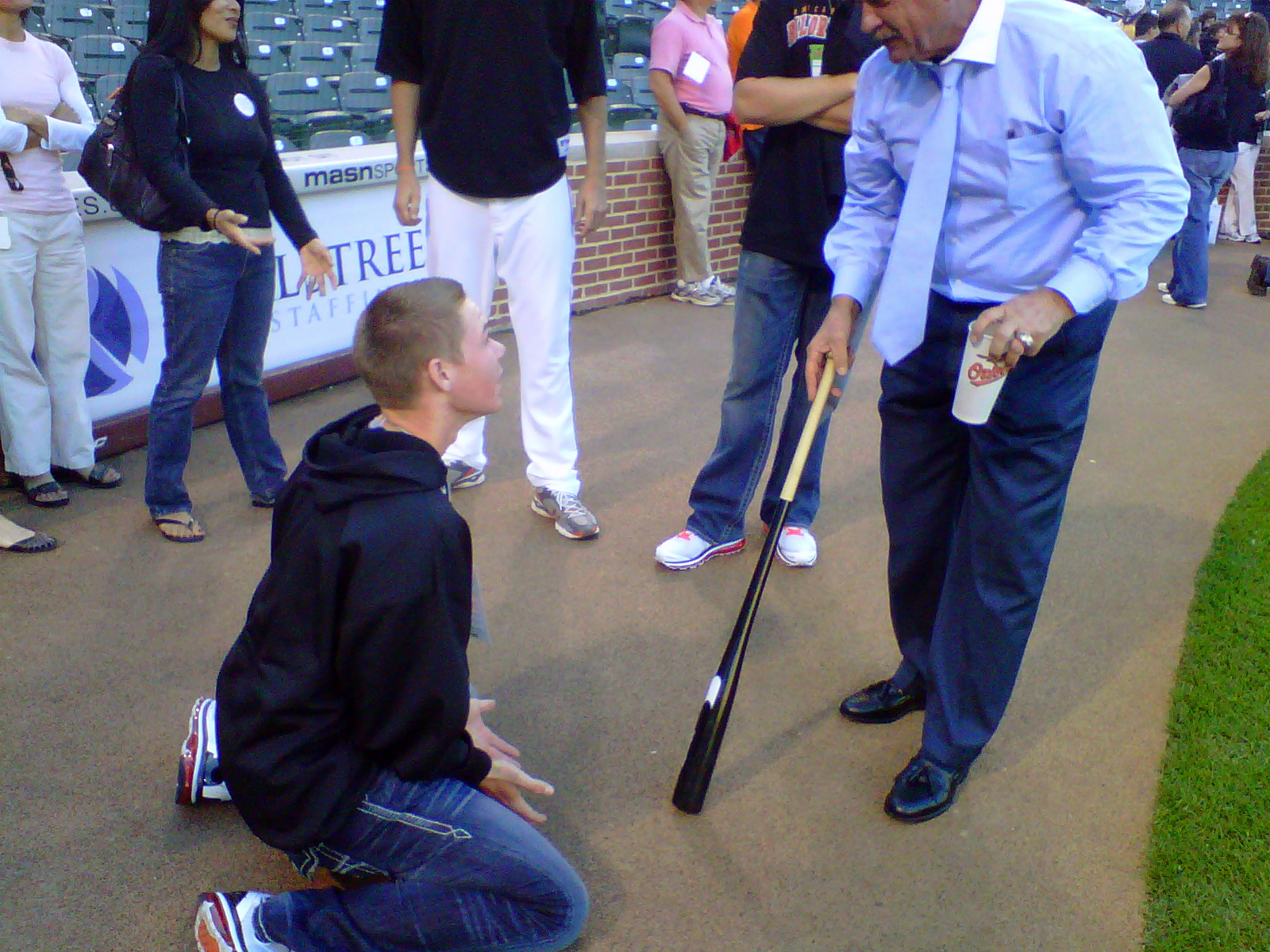
 Jonathan Hacohen is the Lead Baseball Columnist & Editor for MLB reports: You can follow Jonathan on Twitter (@JHacohen)
Please e-mail us at: MLBreports@gmail.com with any questions and feedback. You can follow us on Twitter and become a fan on Facebook . To subscribe to our website and have the daily Reports sent directly to your inbox , click here and follow the link at the top of our homepage.

Interview with Shawon Dunston Jr.: Future Cubs Superstar
Sunday November 6, 2011
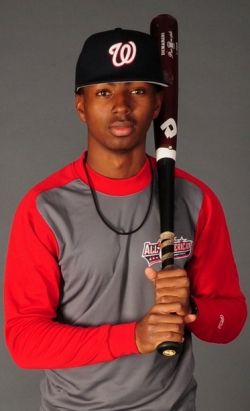
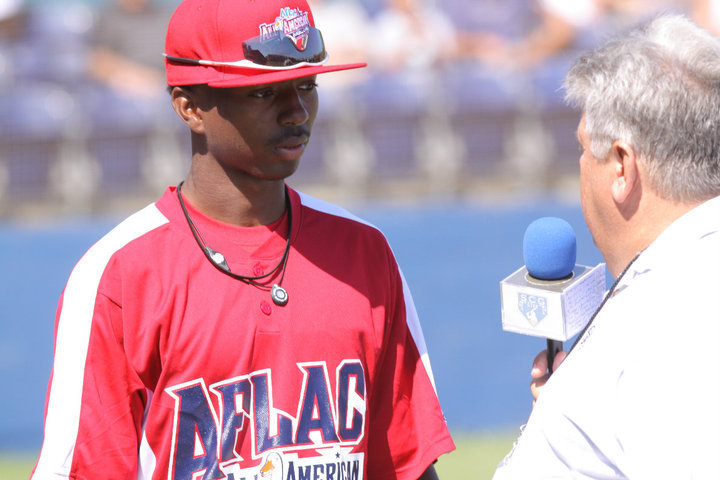
Jonathan Hacohen: We are proud to welcome to MLB reports: Shawon Dunston Jr., outfield prospect for the Chicago Cubs. Shawon was an 11th round pick for the Cubs this past year. While he was expected to go as high as the 1st round, signability issues centering on his commitment to Vanderbilt allowed him to drop to Chicago. The Cubs were able to get Dunston Jr. to sign on the dotted line before the signing deadline and just like that, Shawon Dunston Jr. was a Chicago Cub. Expected to be the team’s center fielder of the future, Chicago is happy to have yet another Dunston in its system. While Dunston Sr. played shortstop for 18 seasons, Dunston Jr. is starting his own career and legacy in professional baseball. A player with strong tools and reputation in the game, we look forward to watching Shawon Dunston Jr. patrolling the outfield of Wrigley Field in the near future.
Featured on MLB reports, I proudly present my interview with Cubs prospect and 2nd generation Major League Baseball player, Shawon Dunston Jr.:
_________________________________________________________________________________________________________
MLB reports: Who was your favorite baseball player growing up, that you most idolized and patterned your game after?
Dunston Jr.: Growing up, I wanted to be just like Ken Griffey Jr. I loved watching him play. I was also a fan of Barry Bonds.
MLB reports: Which current MLB star do you most admire and why?
Dunston Jr.: I look up to B.J. Upton. He makes everything look effortless. I want to be a Jacoby Ellsbury type player. Dexter Fowler as well has speed and pop at the CF position.
MLB reports: Reflecting on your career to-date, what are your proudest accomplishments on the baseball field?
Dunston Jr.: Playing in the Aflac All-American Baseball Classic during the summer of my junior year.
MLB reports: Did you fully expect from the start of the draft to sign with the Cubs? When was the final decision made in the process to sign with Chicago? Any disappointment with being drafted in the 11th round or did have to do more with your signability status than anything else?
 Dunston Jr.: I was actually surprised they chose me. I thought three teams were going to get me earlier; I talked to the Cubs’ area guys, but didn’t think they were going to choose me. I was going to Vanderbilt right up until the last day of the deadline. It was a tough decision, but my decision came down to the Cubs getting close to my (final dollar) number, getting into the system early and developing now (by playing everyday). On draft day I was mad and no, I don’t think that I am an 11th round type player. My bonus I got says it all (got back-end, 1st round money). My signablity hurt me and also being very committed to Vandy, where I intended to attend. But that is the past and I am ready to get going.
MLB reports: When you first found out you were drafted, what were your reactions? Did those reactions change over time?
Dunston Jr.: It was more of a relief, like: “Finally- I got drafted!” I was still upset though that I did not go higher. Over time my reactions did not change, as looking back I still expected that I should have been drafted higher. But I use my feelings as a motivator go-forward.
MLB reports: What do you consider your greatest baseball skill(s)?
Dunston Jr.: My athleticism. I am very athletic.
MLB reports: What facets of your game do you most wish to improve upon?
Dunston Jr.: All part of my game can be improved. I am just trying to be a better player overall.
MLB reports: How do strikeouts and walks figure into your game? Do you see any of these items changing over time and to what degree?
Dunston Jr.: Yes, I am going to need to take a better approach at the plate. I am confident that will happen. I am young and have time to develop.
MLB reports: Long term what position do you see yourself playing? How do you see defense as part of your overall game?
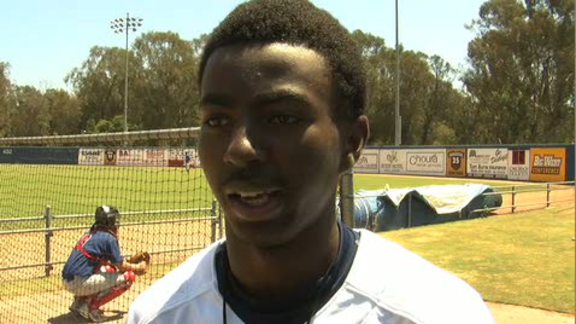 Dunston Jr.: Center field. That is the position that I am playing now and that will be (the position) I will be playing down the road as well. I play good defense.
MLB reports: If you had to look into a crystal ball, when do you see your expected time of arrival in the big leagues and what do you think you need to do most to get there?
Dunston Jr.: I just need to work hard. Through development and time, I will get there soon. I just need some time.
MLB reports: What are your offseason plans? Have the Cubs indicated to you at what level you will likely start 2012 and at which position?
Dunston Jr.: I plan to get bigger, stronger and faster. I am excited to be getting ready for spring training and my first professional season!
MLB reports: What do you do for fun when you are not playing baseball?
Dunston Jr.: I enjoy hanging out with friends and family.
MLB reports: Have you visited Chicago often in your life? Any impressions?
Dunston Jr.: I don’t really remember much from it when my dad played there. The last time I was there was in the 2003 playoffs at the NLDS with my dad.
MLB reports: If you could send out a message to the Cubs fans, what would it be?
Dunston Jr.: I am glad to be a part of this great organization and cannot wait to be playing in Wrigley Field soon!
Thank you again to Shawon Dunston Jr. for taking the time to join us today on MLB reports. We highly encourage our readers to post at the bottom of the article any questions and/or comments that you may have for Shawon. As well, please follow Shawon on Twitter (@SDUNSTONJR)
Jonathan Hacohen is the Lead Baseball Columnist & Editor for MLB reports: You can follow Jonathan on Twitter (@JHacohen)
Please e-mail us at: MLBreports@gmail.com with any questions and feedback. You can follow us on Twitter and become a fan on Facebook . To subscribe to our website and have the daily Reports sent directly to your inbox , click here and follow the link at the top of our homepage.

Johnny Monell Interview: San Francisco Giants Catching Prospect
Thursday October 6, 2011
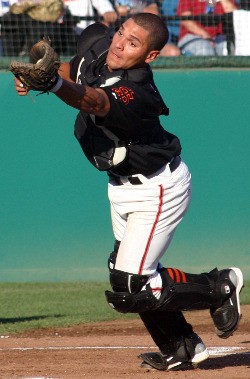
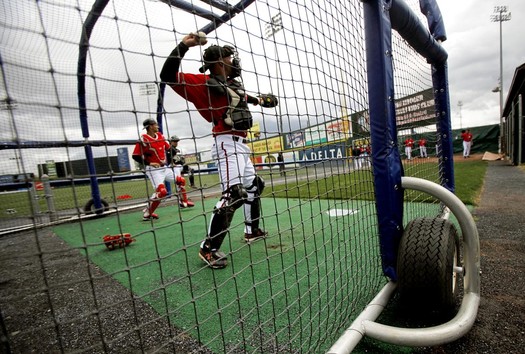
Jonathan Hacohen (Lead Baseball Columnist – MLB reports): We are proud today to feature on MLB reports: Johnny Monell, catching prospect for the San Francisco Giants. The 25-year old Monell has the distinction of being drafted on three separate occasions: by the Giants in the 27th round in 2005; Mets in the 49th round in 2006; and again by the Giants, in the 30th round of 2007. Johnny from the Bronx- as I like to call him, finished off the 2011 campaign playing for Richmond in AA. In his five professional seasons, Monell has a .349 OBP and .447 SLG, good for a .796 OPS. Considered strong with the bat as well as the glove, Monell’s future looks bright as he works towards joining the big club soon. With his season coming to an end, I had the opportunity to catch up with Johnny Monell and talk some baseball. Here is our interview with Johnny Monell:
MLB reports: Welcome to the Reports Johnny. Thank you for taking the time out of your schedule for us today. Let’s start with some background on you: Who was your favorite baseball player growing up?
Johnny Monell: My favorite baseball players growing up would have to be Ivan Rodriguez (Pudge) and Ken Griffey Jr.
MLB reports: I would have to say that 90% of players we have interviewed all selected Griffey. Popular choice! Looking at active rosters, which current MLB star do you most admire and why?
Johnny Monell: Derek Jeter by far is my favorite player- just because of the way he carries himself on and off the baseball field!! He has accomplished so much in that Yankee uniform…He is just great!
MLB reports: Reflecting on your career to-date, what are your proudest accomplishments on the baseball field?
Johnny Monell: I would have to say in 2010, I was invited to major league camp. Just being in camp was an unbelievable experience. I learned so much that year. That year, I actually went on and played for San Jose and ended up having a very good year… You watch how these experienced major leaguers go about their business and how to get ready for a season. We ended winning a championship and the Giants won the World Series at the same time, which is pretty awesome in itself!!
MLB reports: What were your goals going into the 2011 season?
Johnny Monell: Goals coming into this season were to play hard and just be ready to play everyday!! Being in Double “A” for the first time, you realize a lot and see the best of the best! There are many guys you come across that are ready to make that jump to the majors. I’m happy with where I’m at and just ready to build on it every year to get where I wanna be!
MLB reports: When you first found out you were drafted, what were your reactions? Did those reactions change over time? What was the process like being drafted originally by the Giants in 2005 and Mets in 2006 and not signing with either team? What made you decide to finally sign with the Giants in 2007?
 Johnny Monell: The story of how I found out that I was drafted was pretty funny! I was in a McDonald’s with some friends from high school and my college coach from Seminole Community College calls me saying “congratulations you’ve been selected by the SF Giants!” I was definitely excited by the call. I called my family to give them the news. Not too many kids from the Bronx, let alone the inner city, get an opportunity like this. So it was a big deal for myself, as well my family. Reactions kind of changed with time to make a decision- because I wanted to sign! But I knew in my heart that I wasn’t ready. I was fortunate to have my dad on my side, who played pro ball over the course of 17 years, with the Mets especially. Part of me did want to sign with the Mets based on that connection. But at the end of the day, I knew I wasn’t ready and getting advice from my dad helped me to make my decision. After my second year of Jr college, I knew that I was ready to play. As a result, I am now where I belong.
MLB reports: What do you consider your greatest baseball skill(s)?
Johnny Monell: I think I bring a lot to the table. Whether it’s behind the plate or hitting! I’m a left-handed hitting catcher. I think that is one of my main traits. There are not to many players out there that can hit and play this position.
MLB reports: What facets of your game do you most wish to improve upon?
Johnny Monell: At this point of my career, I think I would have to say being consistent and continue to get better. I work every season towards retaining all of my experiences of being a catcher in the minors. I want to take those experiences with me hopefully to the major league level.
MLB reports: How do strikeouts and walks figure into your game? Do you see any of these items changing over time and to what degree?
Johnny Monell: I think they play a huge part! I always strive to being able to see a lot of pitches in the course of every at-bat. This also shows the maturity of a hitter being able to stay back and hit the pitch you want to hit! Walks also can help the batting average. Big time!! This year I wanted to cut down on strikeouts. I did just that by laying off the pitchers’ pitches. I also found that this helps when you come up to bat with runners in scoring position.
MLB reports: Long term what position do you see yourself playing?
Johnny Monell: I see myself behind the plate! I just feel that with every year that goes by, I keep getting better behind the plate. It’s just a matter of putting it all together and going out there and gaining that experience.
MLB reports: If you had to look into a crystal ball, when do you see your expected time of arrival in the big leagues?
Johnny Monell: That is out of my control. I wish it was now, but all I can control is how I play on the field. Knowing the type of player I am, if I keep going about my business as I always have- hopefully one day I can get an opportunity. Someday, God willing of course!
MLB reports: Has pro ball been everything you expected it to be thus far?
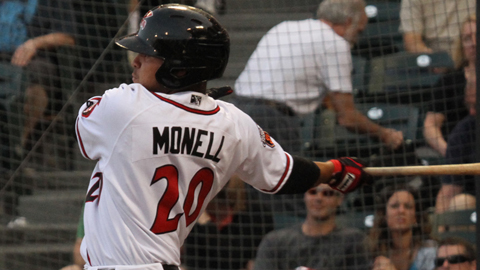 Johnny Monell: Pro ball has been an amazing experience! By being with the Giants, I have been able to meet many legends of the game of baseball, such as Willie Mays, Willie McCovey and Orlando Cepeda. I was just grateful to have the opportunity to be in their presence. Words can’t express how much that means to me. Also, it has been incredible to have roving coaches that have so many years of major league experience! I think we are spoiled with the amount of knowledge that is given to us on a daily basis.
MLB reports: What do you do for fun when you are not playing baseball?
Johnny Monell: For fun, I usually like to hang out with friends, family and teammates. I would say that I am a big movie guy during the season. Also I was fortunate enough to play on the east coast this year, so I was able to spend time with many of my family members. Being able to see them throughout the season was something that I cherished greatly. Being able to play in front of family and friends was a nice treat! I would say that I am a good teammate, because I try to hang out with everyone. Team chemistry is a definite priority for me. This is the only organization that I have ever been with. Coming up with the same guys, I would say that our relationship only gets stronger. Throughout each season and especially the last couple of years.
MLB reports: As a catcher in the Giants organization, what was your reaction to the Buster Posey injury?
Johnny Monell: The Buster Posey injury was devastating.
MLB reports: Have your visited San Francisco the city yet? How have you found the city thus far?
Johnny Monell: After playing in San Jose last year, we had a few opportunities to visit San Francisco. I visited as much as I could. The city is great. Food is awesome on the wharf. Visited Alcatraz and took a lot of pictures. Definitely a city I could live in!
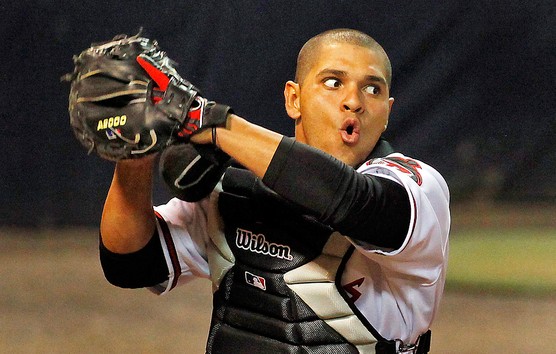
Thank you again to Johnny Monell for taking the time to join us today on MLB reports. We highly encourage our readers to post at the bottom of the article any questions and/or comments that you may have for Johnny. As well, please feel free to contact Johnny directly by Twitter (@JMoE220). He is very active on social media and welcomes your feedback!
Please e-mail us at: MLBreports@gmail.com with any questions and feedback. You can follow us on Twitter and become a fan on Facebook . To subscribe to our website and have the daily Reports sent directly to your inbox , click here and follow the link at the top of our homepage.

Bob Kendrick Interview: President Negro Leagues Baseball Museum
Tuesday September 13, 2011
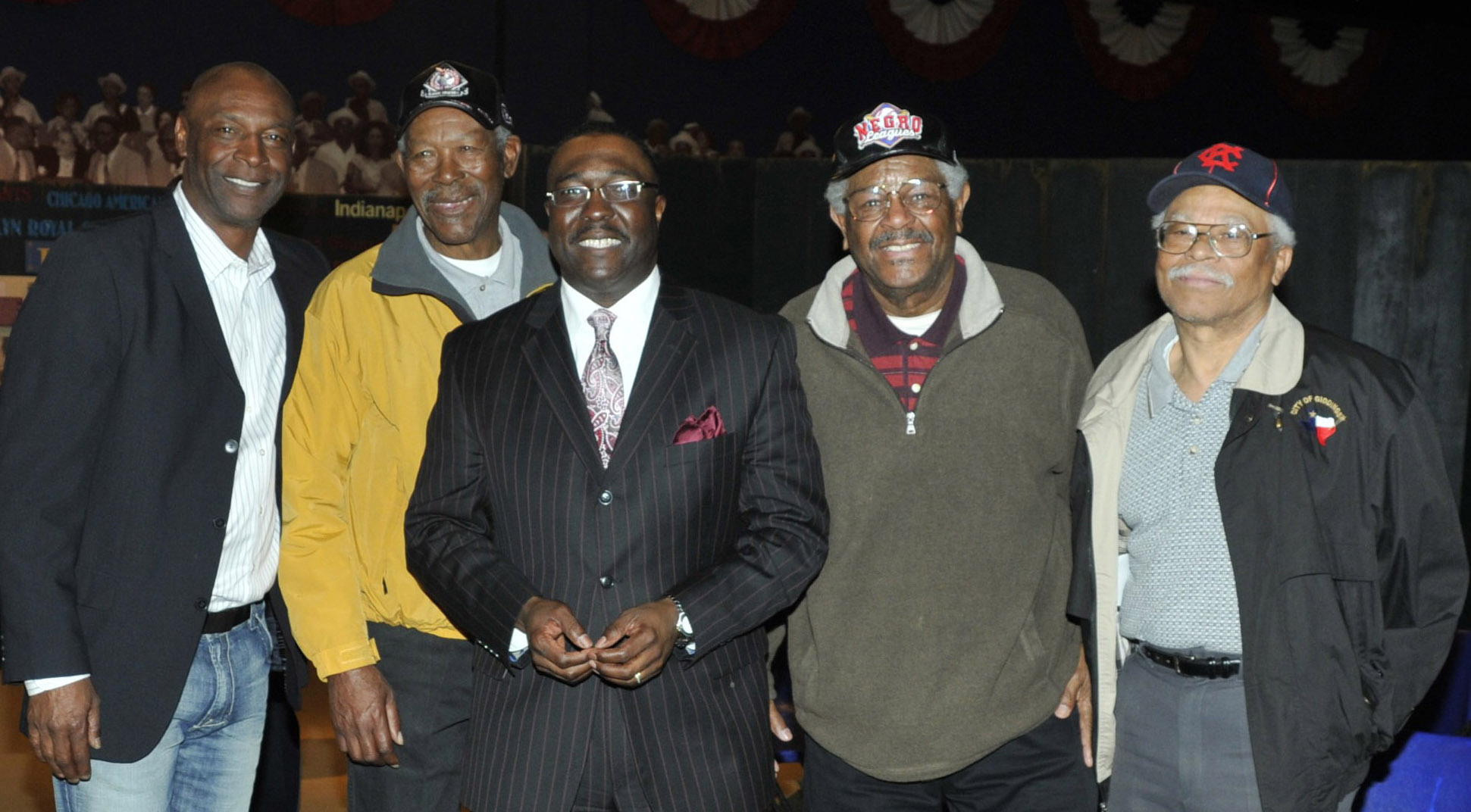
MLB reports: We are proud today to feature on MLB reports: the President of the Negro Leagues Baseball Museum, Bob Kendrick. It was an honor and privilege to get to know one of the finest and most important executives in the world of baseball. The Negro Leagues represents a key time period in baseball history. The NLBM is essentially the Cooperstown of the Negro Leagues, in Kansas City. Mr. Kendrick is responsible for overseeing the entire NLBM and has one of the most demanding and rewarding jobs that we have ever seen. His story is a fascinating one and we were glad to have Mr. Kendrick with us today to share it. For all fans of baseball and American history, the Negro Leagues Baseball Museum is a vital institution to visit. We present today our interview with the President of the NLBM, Mr. Bob Kendrick:
MLB reports: Hello Mr. Kendrick. It is a pleasure to have you on the Reports. Thank you for taking time out of your schedule to speaking with us.
You are President of the Negro Leagues Baseball Museum in Kansas City, Missouri. Please give our readers an idea as to what your job entails and the responsibilities of the President of such a fine baseball institute.
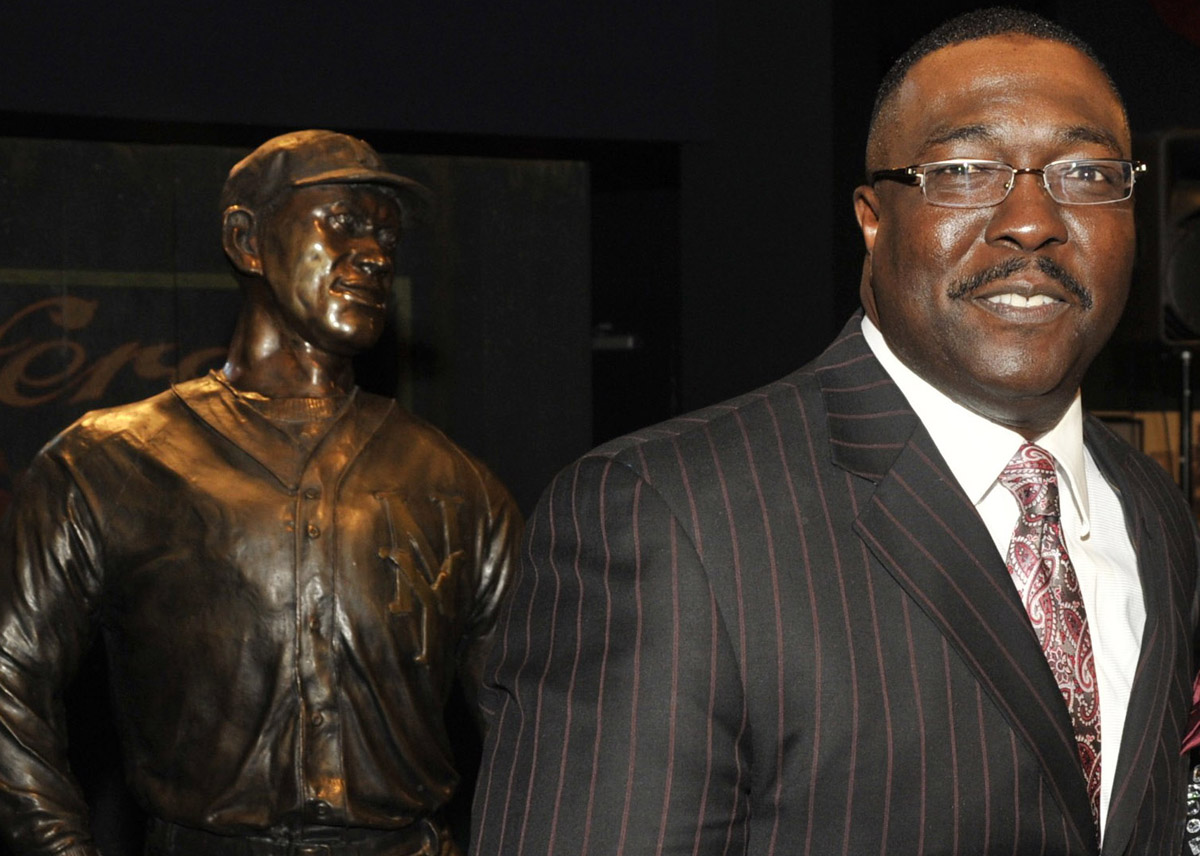 Bob Kendrick: My primary responsibilities are to provide effective leadership, management and operations of the Negro Baseball Leagues Museum and the development of the future John “Buck” O’Neil Education and Research Center. This includes managing a staff of seven; planning strategies to advance the mission and financial stability of the organization and develop and communicate goals and planning strategies with a local board and a national governing board for implementation. In addition, I’m also responsible for developing and managing community and corporate partnerships, programs, marketing, special events along with media, public and community relations.
MLB reports: What is the significance of having the museum in Kansas City? Was there ever a thought to build it beside Cooperstown?
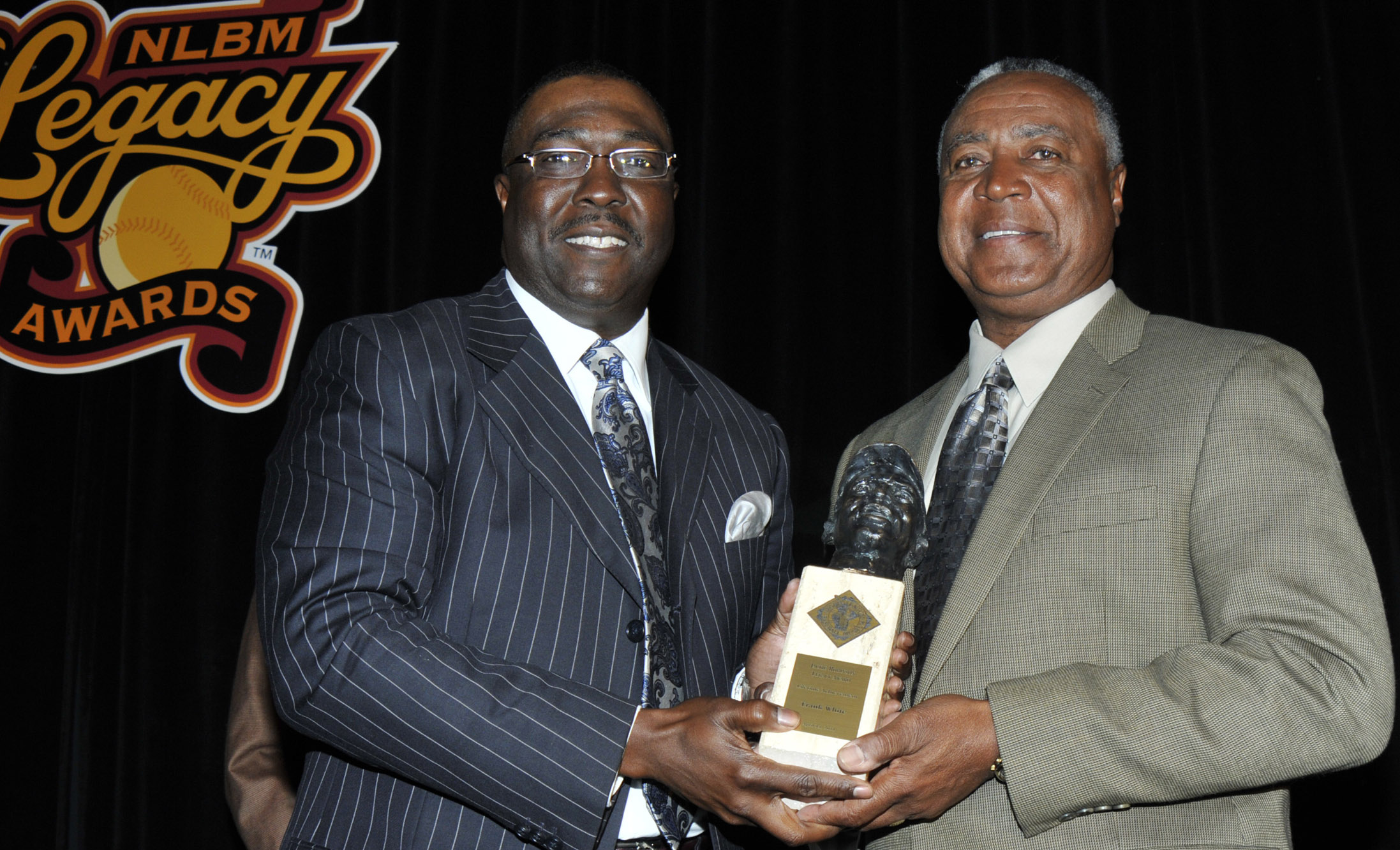 Bob Kendrick: Kansas City is the birthplace of the Negro Leagues and thus the rightful home of the Negro Leagues Baseball Museum (NLBM). In 1920, Andrew “Rube” Foster established the Negro National League in a meeting that took place in at the Paseo YMCA in Kansas City. Today, the NLBM operates two blocks from the historic Paseo YMCA and has designated the building as the future home of the Buck O’Neil Education and Research Center. There were never any intentions to build or move the NLBM to Cooperstown.
MLB reports: What does Buck O’Neil mean to the Negro Leagues Baseball Museum? How did the museum fare when he was alive and what has been the state of the museum since his passing?
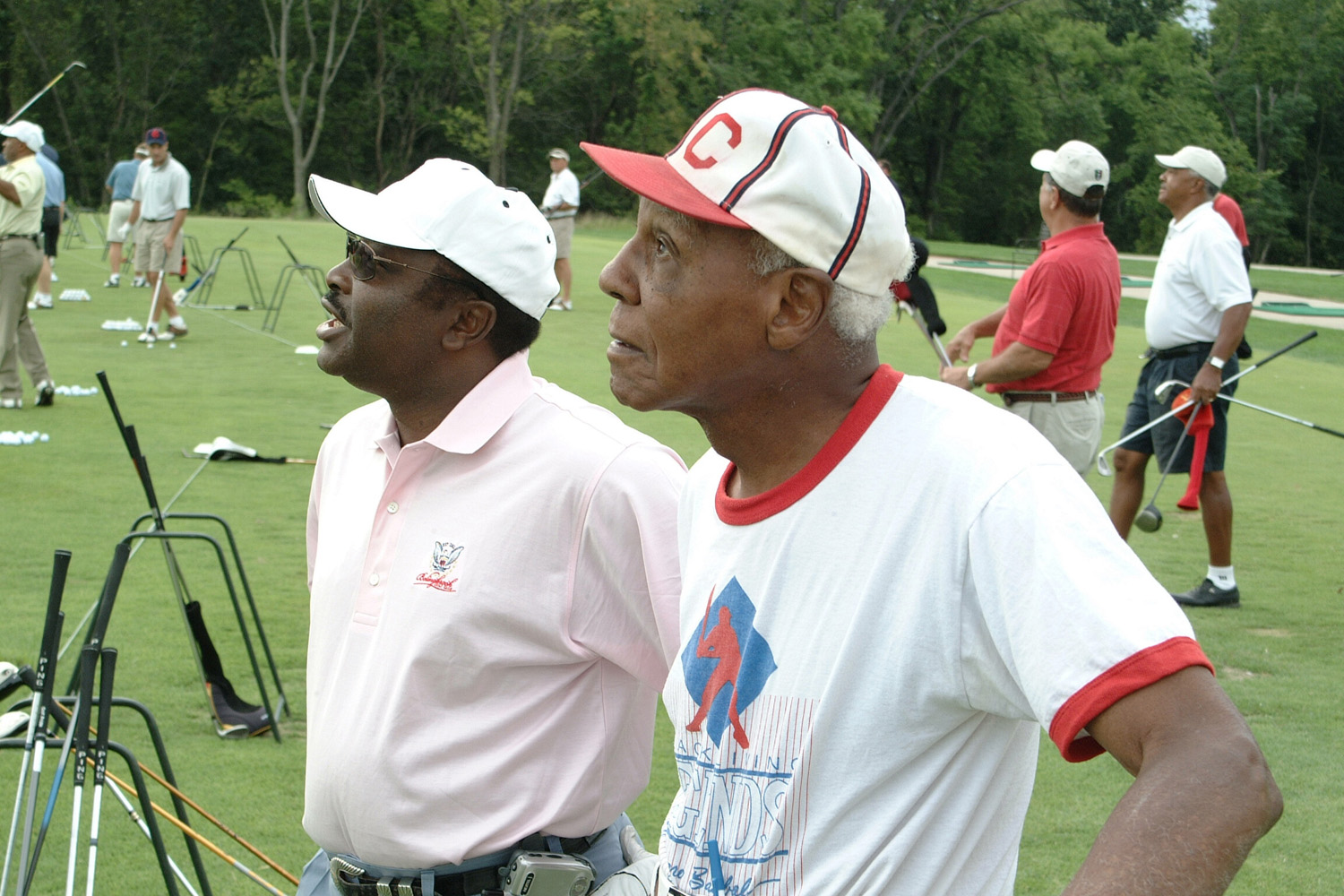 Bob Kendrick: Buck, along with the late Horace Peterson, were the co-founders of the NLBM in 1990. He served as the museum’s chairman for 16 years until his death in 2006 at age 94. Buck was the face of the NLBM and the museum’s inspirational leader and the person that is single-most responsible for its rise to prominence.
Buck’s death coupled with a down economy have definitely had an impact on the growth of the NLBM. To use a bad baseball analogy, Buck was our power hitter. When you take your power hitter out of the lineup you can’t expect that your offense is going to be as potent as it was with him in the lineup. The NLBM, like a lot of museums and particularly cultural institutions, have had its challenges but I feel strongly that we are poised to carry out Buck’s dream to sustain and grow this great institution.
MLB reports: Do you feel that there is pressure in your role to meet the expectations set by Buck O’Neil?
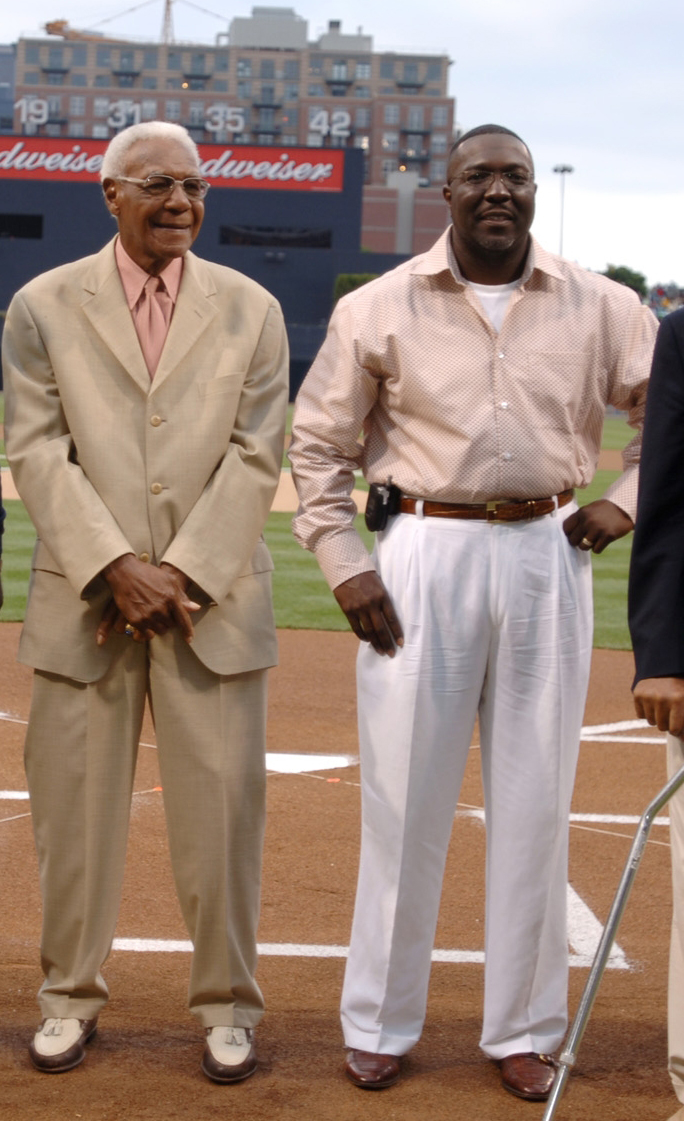 Bob Kendrick: No. There will never be another Buck O’Neil! What I’ve tried to do is embrace Buck’s legacy and use it as additional motivation to see that his museum continues to be successful. If there is any pressure, it comes from the understanding that you are responsible for an institution that we want to see stand the test of time. Ultimately, no one will have greater expectations of me than I have of myself.
MLB reports: What are your favorite exhibits at the museum?
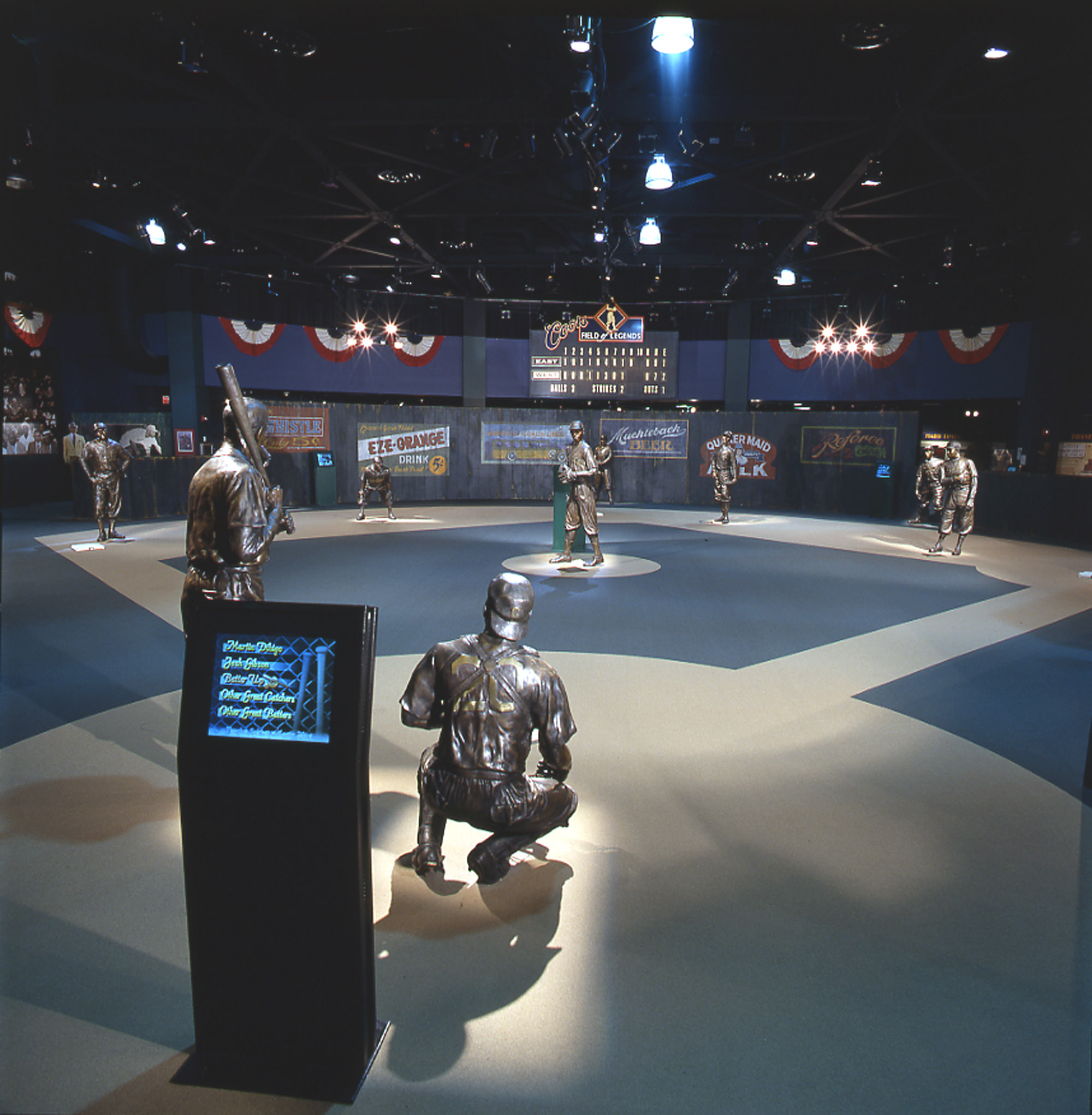
Bob Kendrick: The Field of Legends is an amazing and awe-inspiring display. It is the centerpiece of the NLBM and features 10 life-size bronze statues of Negro League greats cast in position as if they were playing a game. The players were chosen because they represent 10 of the first group of Negro Leaguers to be inducted into the National Baseball Hall of Fame in Cooperstown.
A 1952 photo of a young Hank Aaron standing at the train station in mobile getting ready to leave to join the Indianapolis Clowns of the Negro Leagues is one of my favorites. I believe that photo is the validating point in the exhibit that visitors start to grasp how special the Negro Leagues were and the incredible level of talent the leagues featured. All of sudden, the stories that we’ve shared about the exploits of Josh Gibson, Cool Papa Bell, Satchel Paige, and the other legends become more real because Hank is a name that everyone knows and understands how impactful his career was.
MLB reports: Are there new exhibits this year that are in place?
Bob Kendrick: We’re developing a new exhibit on the life and times of Buck O’Neil in recognition of his 100th birthday (Nov. 13). The exhibit, entitled “Right on Time” is adapted from Buck’s critically acclaimed biography “I Was Right On Time,” and will be a chronology of his life featuring rare family and baseball photos, videos and works of art from a team of professional artists that interpret the meaning and impact of Buck’s illustrious life. The exhibit is scheduled to open at the NLBM on Oct. 6 which would mark the fifth anniversary of Buck’s death. It will be on display until January 2012. The NLBM is developing plans for a national tour of the exhibit.
MLB reports: Why should a baseball fan take the trip to visit the Negro Leagues Baseball Museum?
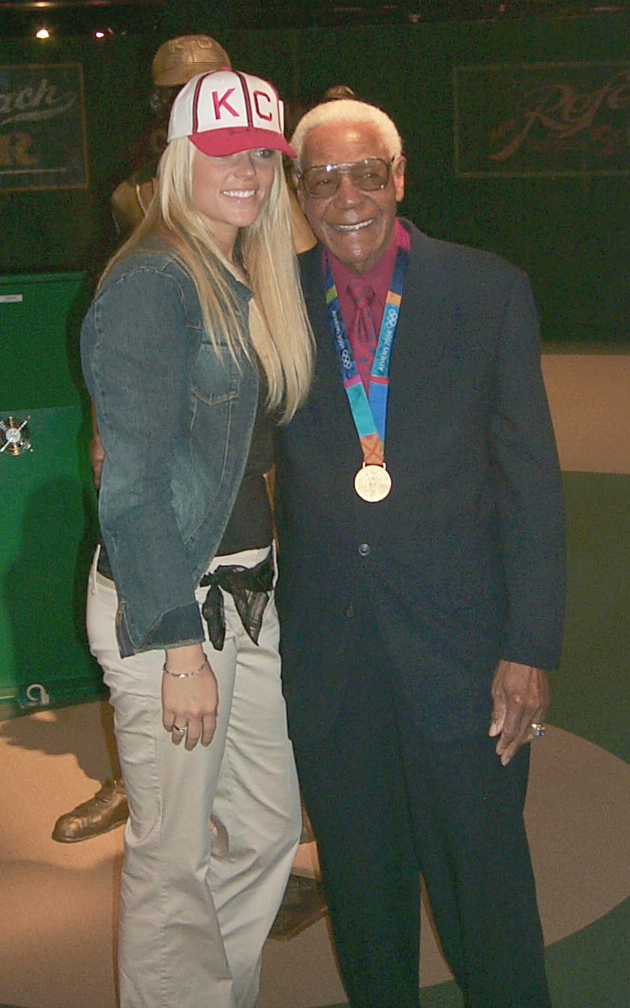 Bob Kendrick: I often said that there is no greater example of “love of the game” than there is when you bear witness to what the courageous athletes of the Negro Leagues endured to play baseball in America. Love of the game is something that every fan shares.
In some respect, as baseball fans, we’ve all been cheated by not having an opportunity to learn about America’s unsung baseball heroes prior to the rise of the NLBM. When you visit you going to meet some of the greatest baseball players to ever play the game. But more importantly, you are going to gain a perspective on how their determination, courage, passion and perseverance not only changed the game but America too.
MLB reports: You have rejoined the museum after a leave of absence. How did you find out you were offered the position of President and what was your decision-making process in deciding to accept the role?
Bob Kendrick: I left the NLBM in February of 2010 to accept the post as Executive Director of the KC office of the National Sports Center for the Disabled after being a part of the NLBM team for 12 years departing as VP of Marketing. I began having serious discussions with the museum’s board in March of this year. Betty Brown, chair of the museum’s board of directors, called on behalf of the board to offer me the job. On April 11, 2011 I began my tenure as President of the NLBM.
Like any major life-changing decision, I did a lot of soul-searching and had many discussions with my wife, Vanessa, and other members of my family. This was with the realization that sometimes the most difficult thing you can do is go back home. The NLBM had been home for me for 12 wonderful years and I was tremendously proud of what we had accomplished, but I honestly thought that chapter of my life was over. When this opportunity came about I didn’t want to make a decision with my heart and not my head, but I’d be lying if I said that my heart didn’t lead me back to the NLBM. It’s a tremendous honor to work with a great team and serve as leader of what I believe is one of the most important cultural institutions in the world.
MLB reports: It has been less than a year at the helm of the museum. What changes have you instituted since taking over?
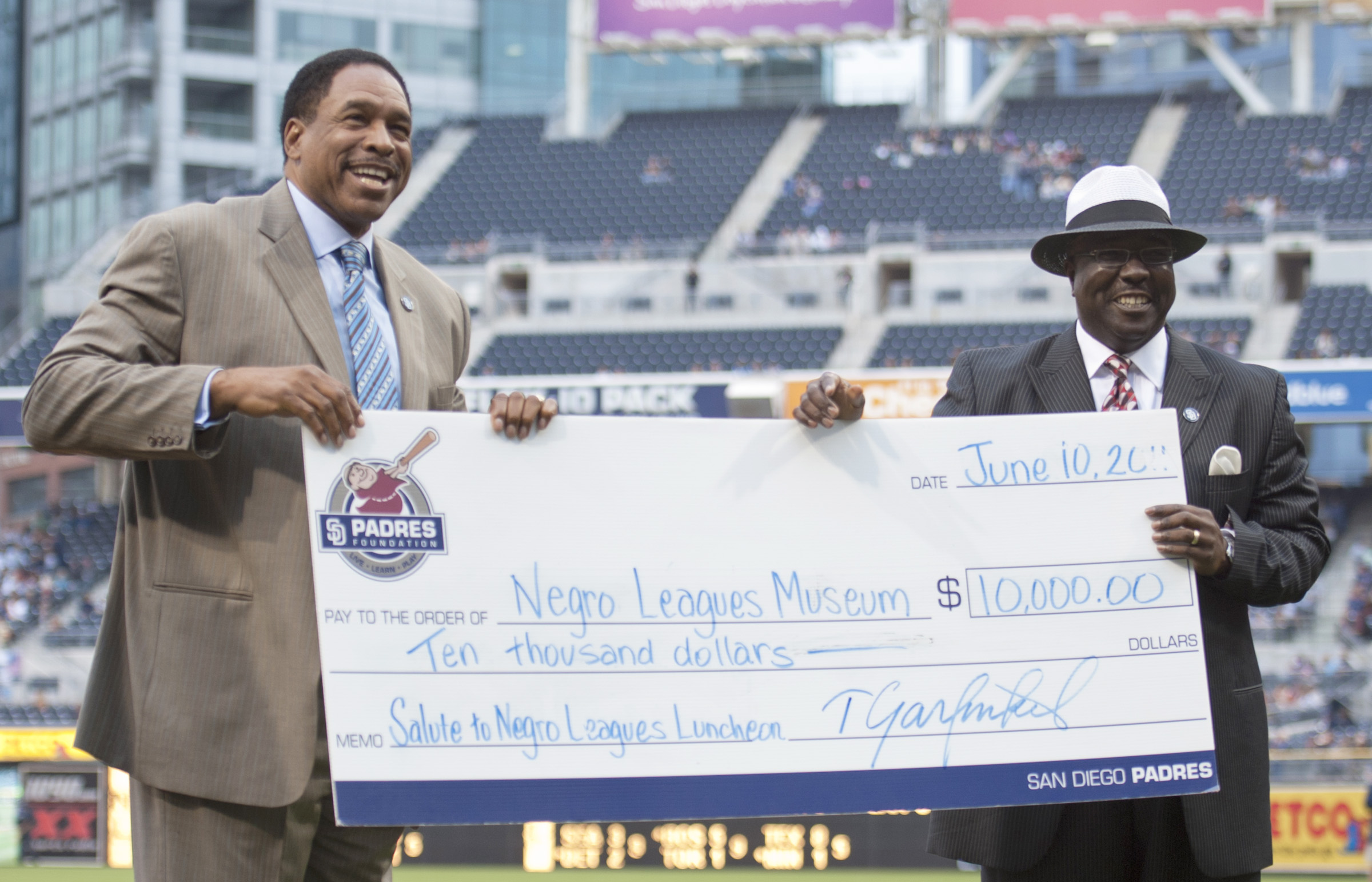 Bob Kendrick: My familiarity with the organization, staff and board has made for a pretty smooth transition. The staff, especially, have been great. For all of us, working at the NLBM is a labor of love and I’ve got a great team that has allowed me to move rather seamlessly into this new role.
My first few months on the job hasn’t been as much about implementing change as it has been about assessing all aspects of museum operations and the development of a tactical strategy to energize and generate operating revenue. We have a goal of balancing the budget by the end of this fiscal year which ends June 30 of 2012. I have every belief that we’ll be successful in attaining that goal.
Any initial change has come from a programmatic standpoint. In June, we brought back our popular Legends Luncheon series. In October, we will introduce the Rube Foster luncheon and will honor former Kansas City Chiefs football great Deron Cherry for his career and leadership on-and-off the field. The Legacy Awards will return on January 14, 2012. The event honors the best Major League Baseball players, managers and executives with awards named for Negro League legends.
MLB reports: I read that C.C. Sabathia recently visited the museum. Who are some other current and former players that have visited the museum? Any stories?
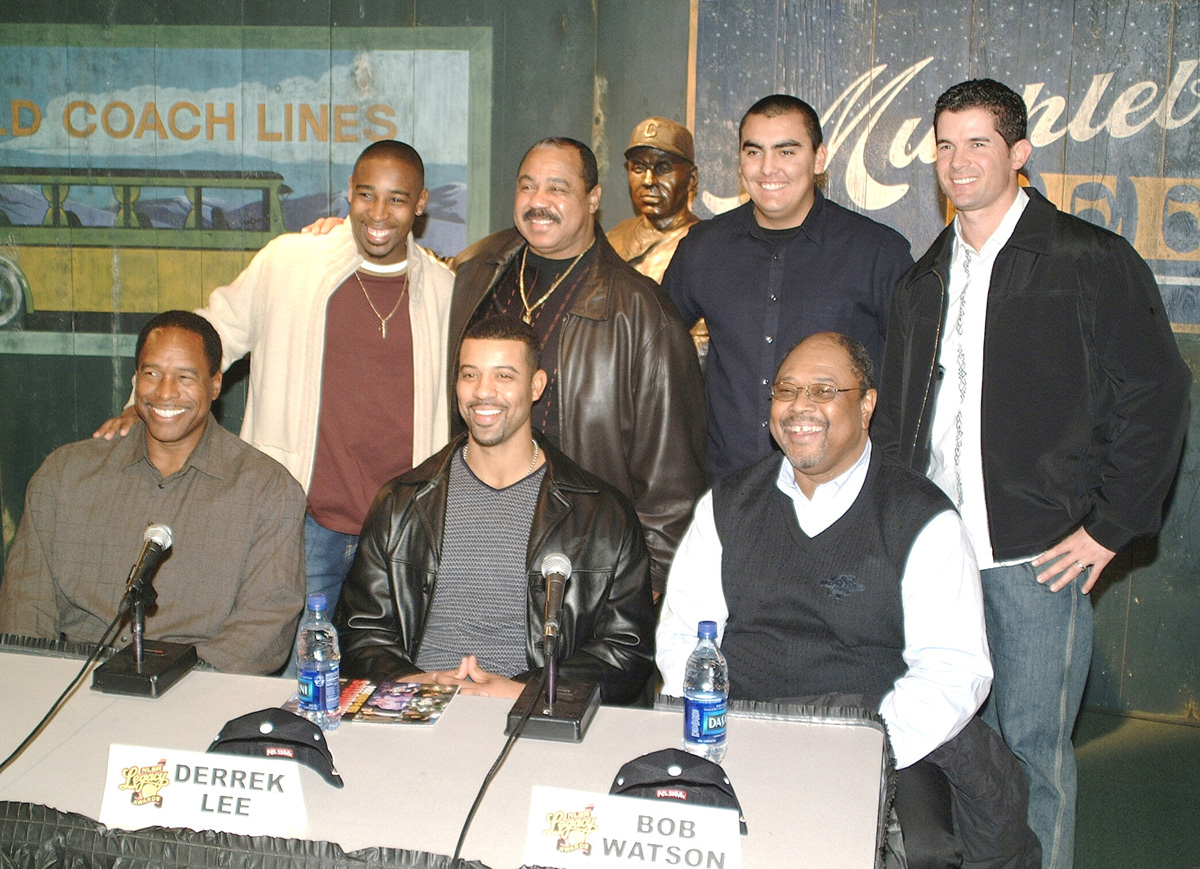 Bob Kendrick: CC has been a friend of the museum going back to his days with the Cleveland Indians. He always makes a point to visit when the Yankees are in town to play the Royals. While a member of the Indians, CC brought Cliff Lee to the museum. List of current current players includes: Derek Jeter, Albert Pujols, Ryan Howard, Prince Fielder, Torii Hunter, Justin Upton, Howie Kendrick, Chone Figgins, Derrek Lee, Jim Thome, Vladimir Guerrero, Jimmy Rollins, Juan Pierre and Jerry Hairston to name a few. Former Major Leaguers include: Hank Aaron, Willie Mays, Monte Irvin, Joe Morgan, Dave Winfield, Lou Brock, Ernie Banks, Ozzie Smith, Fergie Jenkins, Minnie Minoso, Jim “Mudcat” Grant, Ken Griffey, Sr., Jerry Manuel, Willie Randolph, John Smoltz, Buck Showalter, Roger Clemens, Barry Bonds, Bob Watson, Dusty Baker, Ozzie Guillen, Don Newcombe, Robin Roberts, Brooks Robinson, Maury Wills, Cecil Fielder, Rick Sutcliffe, Harold Reynolds, Frank White, John Mayberry, George Brett, Willie Wilson, Bo Jackson, Amos Otis and others.
Ryan Howard started visiting the NLBM before we knew who he was. At that time, Ryan was still in the Phillies’ minor league system. He’s never stopped visiting. He’s often said that he would visit as part of his ritual to prepare for Spring Training. He said he drew inspiration from their strength and dedication to the game that helped him deal with the difficulties he would encounter in the game.
MLB reports: What role do current and former players play in building and maintaining the museum? I personally think that current African-American players need to play a big part in attracting attention to the museum and inviting fans to learn and respect the past of the negro leagues. How has the process been to get players involved?
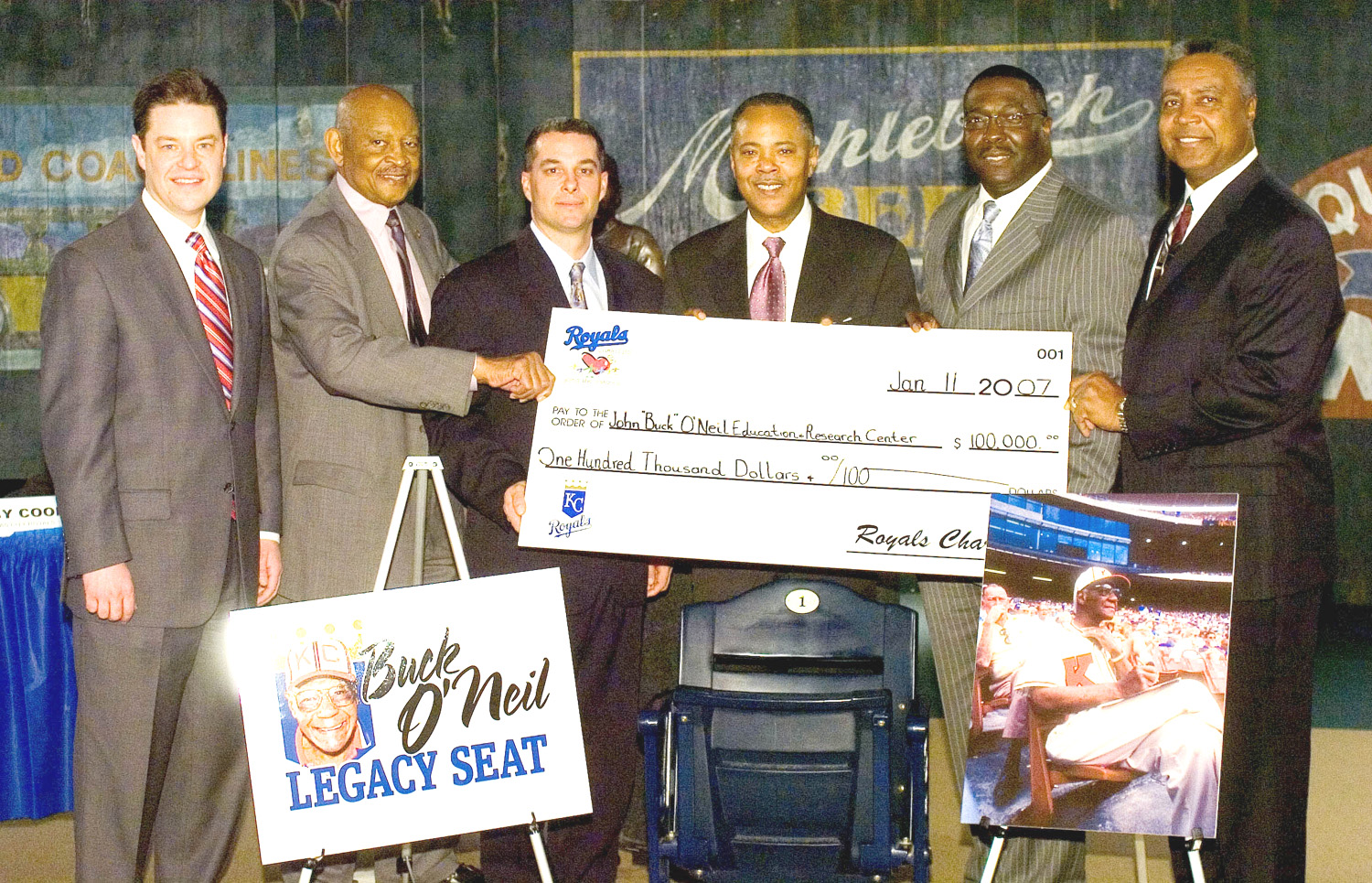 Bob Kendrick: We’ve made great strides in cultivating relationships with both current and former Major Leaguers. This takes on an even greater level of importance for the NLBM since the passing of Buck O’Neil. We’d like all baseball players to take more ownership in the NLBM and help us preserve this once forgotten chapter of baseball and American history. It obviously takes on an even great magnitude when we talk about the African-American and Hispanic baseball player. This is their story. Simply put, they would not have the opportunity to play the game they love had it not been for the sacrifice of those who played in the Negro Leagues.
MLB reports: Major League Baseball has teams play games yearly in Negro Leagues jerseys, which is a great way for fans to learn about the Negro Leagues. What other initiatives has MLB taken to assist in the education of the Negro Leagues? Does MLB and/or Cooperstown support the museum? If Major League Baseball sat down with you and asked what they could do to assist the museum, what would your answer be?
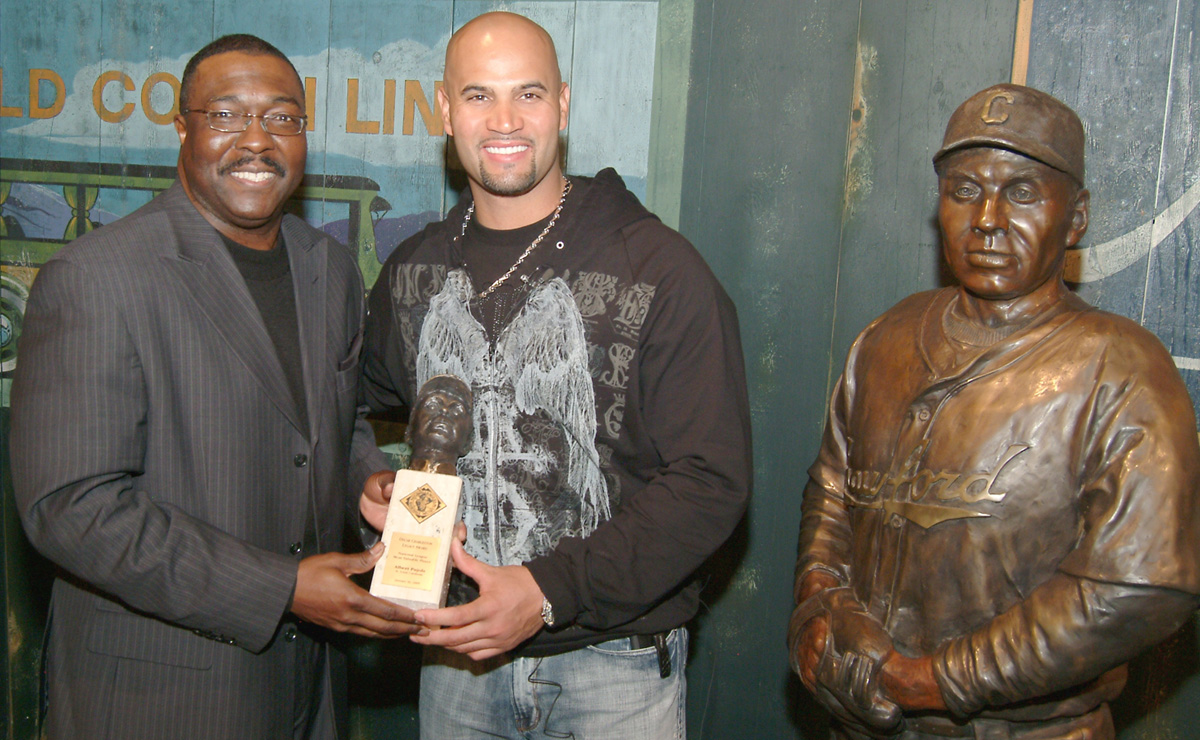 Bob Kendrick: Major League Baseball and its teams have played an important role in the success of the NLBM and helping educate fans about the history of the Negro Leagues. From the in-stadium salutes held by a number of teams, to celebrating Jackie Robinson, it’s all part of baseball’s embracing of the heritage of the game.
The museum has had (and continues to have) a meaningful and valued relationship with the National Baseball Hall of Fame.
In addition to funding, I asked MLB to create a national day of recognition for the Negro Leagues; partner with the NLBM on a national promotional campaign and provide leadership to serve on the museum’s board.
MLB reports: I have read many articles discussing the lack of interest in African-American boys in playing baseball, particular in inner-cities. With the lack of fields and the attraction of other sports, including football and baseball, it seems that baseball is having a hard time attracting African-American youth to the game. MLB is trying to encourage more participation through its programs. Is enough being done to get African-American children to play baseball?
Bob Kendrick: We want kids of all colors to play and enjoy the great game of baseball. The NLBM believes it has a social responsibility to make sure urban kids have the opportunity to play baseball.We want to use the history of the Negro Leagues as a tool to inspire kids to play. Progress is being made, but it is going to take a long and sustain collective effort. Major League Baseball has done a wonderful job, through its creation and support of initiatives like RBI and the various Urban Youth Baseball Academies, of creating opportunities for African-American kids to play the sport. But this is not Major League Baseball’s responsibility solely. If we are to reverse the trend, then baseball has to become important again to the African-American community.
MLB reports: Do you think that there is a correlation between the interest of today’s African-American youth in baseball and the interest in learning about the Negro Leagues Baseball Museum? I would be interested to hear your thoughts on the subject.
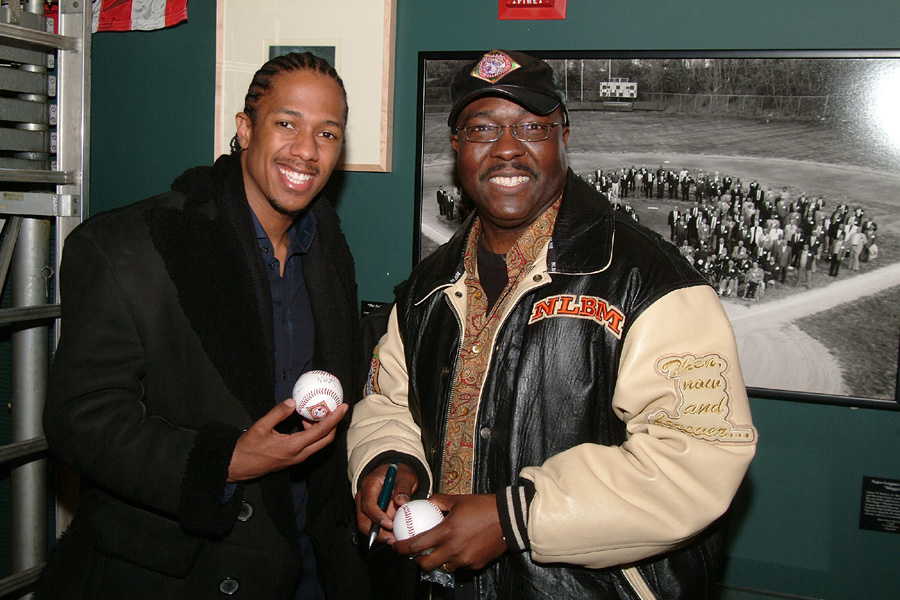 Bob Kendrick: We certainly believe the NLBM can serve not only as a resource to educate young people about the history of this country, but also inspire them by introducing them to men and women who overcame tremendous social adversity to play the game they loved. Urban kids who experience the NLBM can see people who looked just like them who were extremely successful playing, managing and owning baseball teams. The messages that stem from this powerful story transcends time, age, gender and race. Essentially, what the Negro Leagues teaches us is if you believe in yourself and you dare to dream then you can achieve anything you set your heart and mind to. That’s a universal message.
MLB reports: With the All-Star game coming to Kansas City, what events does the museum have planned as part of the festivities?
 Bob Kendrick: First, I can tell you that no one is more excited about the All-Star game coming to Kansas City! There’s no doubt that the Kansas City Royals our great city will host one of the most memorable All-Star games ever. I’m confident that the NLBM will play a great role in helping make the event special.
We’ve already had great conversations with Major League Baseball and their event planning team about partnership opportunities for the 2012 All-Star game. Look for activities ranging from parties to player appearances to take place at the NLBM. Also, expect to see a new exhibition that will open in June of 2012 that will celebrate the players from the Negro Leagues who became Major League All-Stars. A planning committee is being developed to make sure we maximize the opportunities associated with the 2012 All-Star Game.
MLB reports: In five to ten years from now, what will be the future of the Negro Leagues Baseball Museum? What is your vision?
Bob Kendrick: Collectively, we are working to ensure the long-term sustainability of the NLBM. As we begin the next two decades of operation, we are dedicated to building a thriving, vibrant, cutting-edge institution that will not only celebrate and educate the public to the rich history of the Negro Leagues, but will continually challenge itself to make history relevant to an ever-changing society. Much of this will be solidified by the completion of the Buck O’Neil Education and Research Center which will provide an international headquarters for Negro Leagues history and social commentary on issues relative to race and sports.
MLB reports: If people would like to learn more about the Negro Leagues Baseball Museum and to visit, how do they go about getting more information? Also how can fans contact you with questions and comments?
Bob Kendrick: You can get more information about the museum at http://nlbm.com. Or, call the museum at (816) 221-1920. I can be contacted at bkendrick@nlbm.com or please follow me on Twitter @nlbmprez.
BUCK O’NEIL CENTENNIAL CELEBRATION: As part of our revenue generation plan, we’ve just launched a national individual fundraising campaign in remembrance of Buck O’Neil’s 100th birthday through the introduction of the BUCK O’NEIL ALL-CENTURY TEAM campaign. The effort is asking fans and friends to donate at least $100 in memory of Buck and in support of his museum. Every person who makes the $100 gift (or more) between now and Nov. 13, will have their name, family name or person they designate permanently recognized at the NLBM as part of a new display created to mark Buck’s milestone anniversary.
To sign-up for the BUCK O’NEIL ALL-CENTURY TEAM, visit http://nlbm.com or call the NLBM at (816) 221-1920.
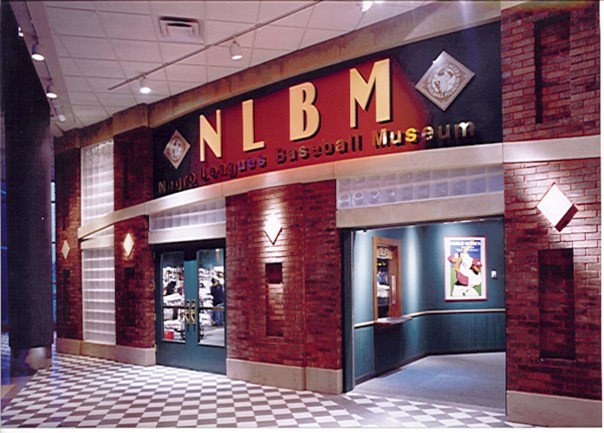
Thank you again to Bob Kendrick for taking the time out of his very busy schedule to joining us today on MLB reports. We highly encourage our readers to post at the bottom of the article any questions and/or comments that you have on the Negro Leagues Baseball Museum. As well, please feel free to contact Mr. Kendrick directly by e-mail or Twitter. He is very active on social media and welcomes your feedback!
**The photographs in today’s feature were provided by our guest, Bob Kendrick**
Please e-mail us at: MLBreports@gmail.com with any questions and feedback. You can follow us on Twitter and become a fan on Facebook . To subscribe to our website and have the daily Reports sent directly to your inbox , click here and follow the link at the top of our homepage.

Edgar Martinez Should Be Inducted Into Cooperstown: Future Mariners Hall of Famer
Friday August 26, 2011
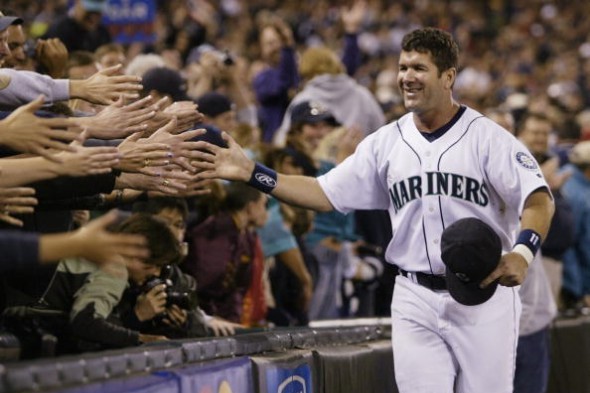
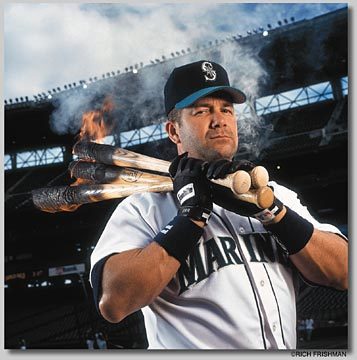
Sam Evans (Intern Candidate- MLB reports): When you think of the most consistent hitters during the 1990’s, most people think of Barry Bonds and Mark McGwire. One name that always gets overlooked is Edgar Martinez. He had a .312 career batting average, reached base more than 40% of the time, has never has been linked to steroids, and he arguably saved baseball in Seattle for years to come.
Some of the arguments against Edgar being in the Hall of Fame are that he hardly played in the field, was not a superstar, never won a world series, and that his numbers just aren’t good enough. As a Mariners fan, I definitely have bias but I’ll try to explain why I think Edgar should legitimately be in the Hall of Fame. First of all, if his numbers aren’t good enough, why was Andre Dawson’s statistics enough for him to be voted into the hall of fame? Let’s compare the two hitters:
Edgar (Career) .312/.418/.515. Wins Above Replacement (courtesy of fangraphs.com): 69.9
Andre Dawson: .279/.323/.482 Wins Above Replacement: 62.3
What’s the difference between these two? The Hawk is in the Hall of Fame, which Dawson deserved. Other Hall-of-Famers with a lower WAR than Edgar are Harmon Killebrew, Dennis Eckersley, and Jackie Robinson. There are over 230 former MLB players in the Hall of Fame. I think it’s amazing that Edgar is not one of them.
After Edgar missed the 1994 season due to injury, he became the Mariners full-time designated hitter. He would go on to be the Mariners starting DH for the next ten years. When asked how that would affect his Hall of Fame chances, Edgar replied, “There are a lot of different opinions about it. What I think is that the DH makes a daily contribution to the team, just like any position player who plays every day.” In 1973, major league baseball instituted the Designated Hitter as a real position. So why should this prevent a primary DH from ever reaching Cooperstown?
In his first season as a DH, Martinez won his second American League batting title, hitting .356 with an OBP of .479 and a slugging percentage of .628. Hall of famers Hank Aaron and Willie Mays never had a season with an OBP over .425. It is my estimation that Martinez wasn’t a superstar across the baseball scene because of where he played. If he played in New York, chances are it wouldn’t be this hard for him to get into Cooperstown. The low light of Edgar’s career is definitely though that he never won a World Series championship. Superstars that win the big one tend to be favored in the eyes of Cooperstown voters.
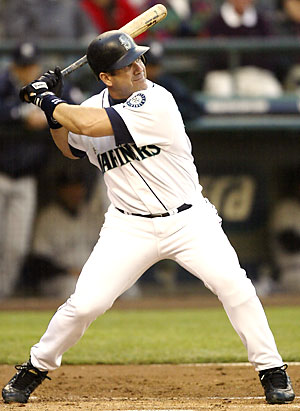 During the 1995 season the city of Seattle fell in love with the Mariners. After having just two winning seasons in their first sixteen years, Edgar and Ken Griffey Jr. led the Mariners to a 79-66 record. In the 1995 ALDS series between the Mariners and the Yankees, Edgar reached base 2/3 of the time and had two game winning hits. On October, 8, 1995, with the series tied 2-2, the Mariners battled back to score two runs and send the game into extra innings. After the eighth inning, the crowd started chanting “Randy! Randy! Randy!” Finally Lou Piniella gave in and Randy Johnson walked out to the mound to Welcome to the Jungle booming through the Kingdome’s outdated speakers. However in the top of the eleventh tragedy struck. A walk, bunt, and single put the Yankees in the lead, and with their stud pitcher Jack McDowell coming in to pitch the M’s chances looked pretty slim. With runners on first and third, Edgar ended up hitting a double down the left field line to win the series for the M’s. The Mariners were eliminated in the ALCS at the end by the Indians, but the effect of Edgar’s hit had MLB fans everywhere truly excited about Mariners baseball for the first time ever.
The thing is that he wasn’t just successful in the playoffs; Martinez won Seattle one of the more beautiful MLB ballparks, Safeco Field. Two months earlier, 50.1% of King county voters voted NO on a $410 million proposal for a new stadium, to keep the Mariners in Seattle. The state legislature later approved a new stadium for the Mariners, mainly due to public pressure. This led people to think what would have happened if it weren’t for Edgar’s clutch hit.
Edgar was known for his great batting eye, which resulted from a series of drills before every game he utilized to improve it. He also gave back to the community by founding the Martinez foundation, which helps give minorities’ access to proper education. When Edgar retired in 2004, Paul Molitor said, “He was one of the most feared right-handed hitters for a long time in this league. The amount of respect he has from peers speaks to the value of the offensive player he was.”
In 2010, Edgar’s first year eligible for the hall, he received 36.2% of the BBWAA votes. Martinez missed the 75% cutoff. This year he received 32.9 % of the vote. Who knows if Edgar will ever be in the Hall of Fame, this year definitely wasn’t encouraging. But in Bert Blyleven’s (elected in 2011, after 14 years of eligibility) second year on the ballot, he received only 14.1% of votes. So there is reason for optimism. Whether Edgar ever makes it to Cooperstown or not, he will always be a hero to Mariners fans and one of the best pure hitters in major league history.
***Today’s feature was prepared by one of our intern candidates, Sam Evans. We highly encourage you to leave your comments and feedback at the bottom of the page and share in the discussion with our readers. You can also follow Sam on Twitter.***
Please e-mail us at: MLBreports@gmail.com with any questions and feedback. You can follow us on Twitter and become a fan onFacebook . To subscribe to our website and have the daily Reports sent directly to your inbox , click here and follow the link at the top of our homepage.

Tyler LaTorre: Interview with San Francisco Giants Catcher
Thursday August 18, 2011
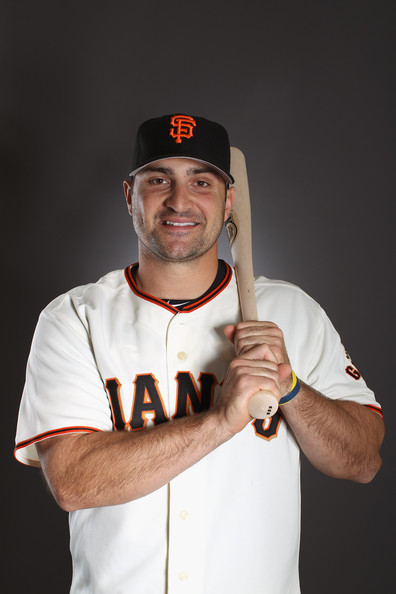
MLB reports: Today on the Reports we are proud to feature Tyler LaTorre, a catcher with the San Francisco Giants.
The 28-year old LaTorre is a true example of perseverance. LaTorre bypassed the MLB draft and signed with the Giants in 2006, his favorite team as a youngster. After playing four seasons at UC Davis, LaTorre began his professional career in the Arizona Rookie League in 2006. This season LaTorre worked his way up the ranks to AAA Fresno and looks to be banging on the Giants door. With Buster Posey entrenched as the Giants starting catcher, the California native LaTorre continues to strive towards a future position with the big league club.
We are pleased to present Tyler LaTorre of the San Francisco Giants:
MLB reports: Welcome to the Reports Tyler. It is a pleasure to be speaking with you today. Growing up, who was your favorite baseball player? Which player did you most idolize and pattern your game after?
Tyler LaTorre: My all time favorite player is Ken Griffey, Jr. I was always number #24 when playing in little league and on up. Being a left-handed hitter myself, I idolized and mimicked his sweet swing and tried to play the game with has much fun as he did. In the end, baseball is still a game and is meant to be fun. Junior played the game with so much fun and made the game fun to watch.
MLB reports: Griffey is a very popular choice among current athletes we have spoken to. On the flip side, which current MLB star do you most admire and why?
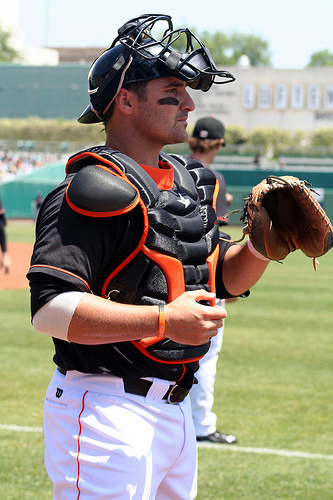 Tyler LaTorre: I am a huge fan of all major league players and I admire them all. I love watching big league swings and big league closers throwing hard with dirty off speed pitches. The MLB At Bat app for the iPhone is amazing. Multiple times a day I find myself watching big league swings and seeing what it takes to be a big leaguer. I want nothing more than to someday have people watching my swing on the MLB At Bat app.
MLB reports: Reflecting on your career to-date, what are your proudest accomplishments on the baseball field?
Tyler LaTorre: I have won two league championship rings. My proudest moment individually though, was getting a call to the big league spring camp this past year. I was only there for a couple of weeks, but it was a dream come true to be a part of the World Series Champion Giants Spring Training. I learned as much in those two weeks as I have learned in my four years in the minor leagues. I was truly blessed to have been given that opportunity.
MLB reports: What are your goals going into the 2011 season?
Tyler LaTorre: My goals for 2011 are like years past. When I get my opportunities, I have to take advantage of them. I am no longer a prospect and I have never been a player that gets 500-600 AB’s in a season. So when I get my plate appearances, I have to make the most out of them. So far in 2011, I feel like I have done that and I am trying to stay sharp even though the next opportunity might not be today or tomorrow, but a week down the road. Another goal of mine is to help my team win in any way possible. I hate losing and I’ll do whatever it takes to win. I would also like to stay healthy and play winter ball somewhere in the offseason.
MLB reports: When you first found out you were signed by the Giants, what was going through your mind? Why did you choose to bypass the draft and what was the process like choosing to sign with the Giants in 2006?
Tyler LaTorre: It was very surreal to me when I signed my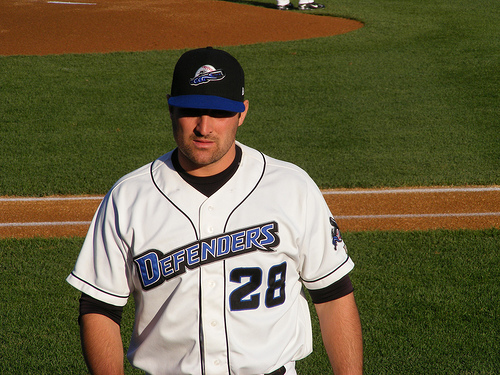 professional contract with the Giants. It didn’t set in until I was sent to Arizona before being sent to Salem, Oregon for short season. I was a fifth year senior at UC Davis in 2006, and I put together a career changing season that got me a chance to play at the next level. Since I had already graduated and got my degree when my college season was over, I had up to one week before the draft to sign with a team or I would have had to wait on the draft. After my last college game I was offered contracts from some MLB organization, including the Giants. I could have waited for the draft to see where that might take me, but I had the ball in my court and I got to choose where I felt would be the best opportunity for my future. That choice was the San Francisco Giants.
MLB reports: What do you consider your greatest baseball skill(s)?
Tyler LaTorre: I feel like I am a great leader and that I have the ability to make my teammates better. I handle a pitching staff very well and pitchers trust me to make the right decision on the field to help the team. I take pride in pitch calling and controlling the other teams’ running game. I also like to think that I can handle the bat pretty well and I hit from the left side, so that’s a strong skill that I possess.
MLB reports: What facets of your game do you most wish to improve upon?
Tyler LaTorre: I am always looking for ways to get better in all facets of my game. I want to quicken my foot work when catching and hit for more pull side power. I also want to try to get some more leg strength to last a full season behind the plate if that opportunity ever arises. In 2010, I caught the majority of the final two months of AA and I figured out what it was like to catch everyday. That season took a toll on my body and I want to be prepared so that I never feel like that again. I would like to be strong and able to perform at the highest levels.
MLB reports: How do strikeouts and walks figure into your game? Do you see any of these items changing over time and to what degree?
Tyler LaTorre: To me, striking out is the worst thing that I can do when I have a plate appearance. Walking back to the dugout after a strikeout is a terrible feeling for me and I can’t stand letting my team down. I have always had a pretty good eye in the box and I feel I know the strike zone very well. Drawing a walk and getting on base for my team is a victory in itself, and I have always prided myself on having even strikeout to walk ratios in my career. Strikeouts are going to happen, they are a part of baseball. But I strive to make the pitcher work to get me out. I look to walk or put the ball in play to make something happen, and to battle and compete during every one of my at bats.
MLB reports: Long term do you see yourself staying behind the plate? How do you see defense as part of your overall game?
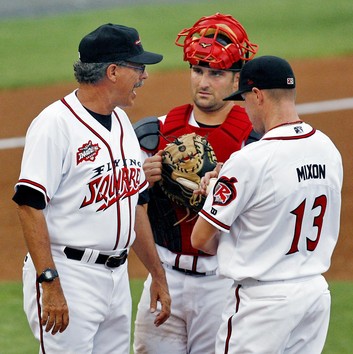 Tyler LaTorre: Catching is one of the funniest things I have ever done in my life. I love catching, blocking, calling a game, and winning baseball games. Nothing more satisfying than working as hard as I can for nine innings and getting that 27th out and walking out to the mound and shaking my teammates’ hands. However, I know the reality that there is only one catcher on the field at one time and there are prospects in this game that have to play. So ultimately whatever can get me in the lineup to help the team win is what I want.
MLB reports: If you had to look into a crystal ball, when do you see your expected time of arrival in the big leagues and what do you think you need to do most to get there?
Tyler LaTorre: I need a chance. I need someone or some team to take a chance on me and I need to show them they have made the right choice. I don’t have a timetable on when I will join the Giants. I wish it was tomorrow, but whenever that time may come or not come, I will always be ready to play and compete to the best of my abilities.
MLB reports: Has pro ball been everything you expected it to be thus far? What are some of the highs and lows you have experienced?
Tyler LaTorre: I didn’t really have many expectations. I am the type of person that takes things day by day and even pitch to pitch. I don’t worry about the past or future, I live in the right now and it has helped me stay focused my whole career. On the high side has to be my short season team in 2007 when we had the best winning percentage in all of baseball and won the Northwest League Championship. Also being a non-draftee, non-prospect in AAA right now competing at the level right below the big leagues is a pretty big high for me. On the low side, in 2007 I didn’t make a team out of my first spring training and was sent to extended spring staining in 110 degree Arizona. I honestly thought I wouldn’t make it out of there and was going to be released before I even had the opportunity to show my abilities. But I stay focused and dedicated to baseball and four years later I am in AAA and looking forward to each day and an opportunity to make the big league roster.
MLB reports: What do you do for fun when you are not playing baseball? Best friend(s) on the team that you most hang out with and what do you guys like to do to chill?
Tyler LaTorre: I love having a good time and laughing. Whether it is on the field, the plane/bus, or at our apartment in Fresno, I try to stay positive and have fun. I mostly hang out with Brett Pill, Jackson Williams, Brock Bond, and Brandon Crawford. We all have a great time together and play video games, go to the mall, Golf, whatever we can do to take our minds off playing this tough and grueling game called baseball. I would have retired from baseball a long time ago if I didn’t have such a fun group of friends in this game.
MLB reports: How has the Buster Posey injury affected the organization? Did it have a direct influence on your playing time in your opinion?
Tyler LaTorre: The injury hit me pretty hard. To see a friend in so much pain, made me sick to my stomach. I had to stop watching replays. Buster’s injury was tragic and put our minor league organization in a bit of chaos. We started moving catchers around, looking for trades, and signing free agent catchers. But it never got me more playing time, which was frustrating. The truth is that I haven’t really played that much this year. It doesn’t affect my drive though. I come to the field everyday expecting to be in the lineup and ready to help the team win.
MLB reports: A big thank you to Tyler LaTorre for joining us today on the Reports. We wish you the best of luck on your baseball journey and hope to see you playing for the Giants very soon. You have competed very hard to make it to this point in your baseball career and look for you to take the final step to the big leagues. We definitely encourage all our readers to feel free to contact Tyler with your comments and questions on his Twitter handle. Tyler is a must follow!

Please e-mail us at: MLBreports@gmail.com with any questions and feedback. You can follow us on Twitter and become a fan on Facebook . To subscribe to our website and have the daily Reports sent directly to your inbox , click here and follow the link at the top of our homepage.

Interview with Toronto Blue Jays Prospect and 2010 Draftee: Art Charles
Thursday August 11, 2011
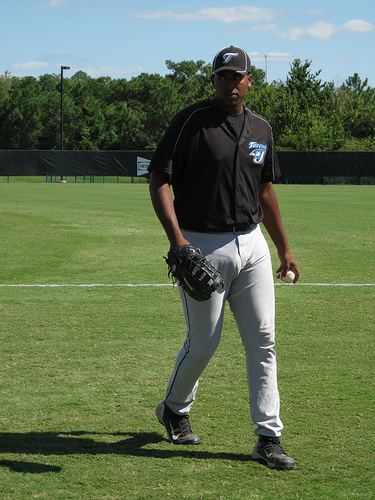
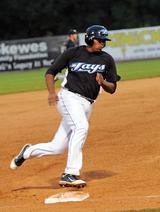
MLB reports: Today on the Reports we are proud to feature Blue Jays prospect first baseman, Arthur Charles. The 20-year old Charles was drafted by the Jays in the 20th round of the 2010 draft. After being selected by the Orioles in 2008 and the Royals in 2009, Charles signed with Toronto and started his baseball journey last year.
At 6’6″ and weighing a solid 221 lbs, Charles projects to flash a great deal of power at the first base position for the Jays. Currently playing for Bluefield in the Appalachian League, Charles has hit 10 home runs in 49 games, with an impressive .813 OPS. Art is one of the most charistmatic players that we have interviewed on the Reports. We can see him quickly becoming a fan favorite one day in Toronto. A name to keep an eye on in the Blue Jays organization, the Reports is proud to present our interview with Arthur (Art) Charles:
MLB reports: Welcome to the Reports Art. Looking to the past, who was your favorite baseball player growing up, that you most idolized and patterned your game after?
 Art Charles: My favorite baseball players growing up would have to be Ken Griffey Jr. and Barry Bonds. These two sluggers were my idols and in whom I modified my game after. Griffey instantly stood out to me because I liked his swing and tried to modify mine to look like his. His swing was just so pure, smooth, and simple. Barry Bonds was the same way I loved his swing and how he hit so many home runs. I used to tell my friends that I would break his home run record and that one day I would be “that guy” in the big leagues hitting bombs and lasers everywhere in front of the world.
MLB reports: Great choices in Bonds and Griffey. We have seen Griffey in particular as a popular choice amond players. On the flipside, which current MLB star do you most admire and why?
 Art Charles: The current MLB player that I admire the most right now is Adrian Gonzalez. I enjoy watching Adrian Gonzalez a lot because he is not only a very good hitter for the Red Sox, but he is a great defensive player as well. His game is something that I now watch very closely for that reason. I would like to be that kind of player, an all around player. I want to be known as a threat and someone who will not only hit for power and average, but someone who has a golden glove at first base making plays and helping his team win on both sides, offensively and defensively.
MLB reports: Reflecting on your career to-date, what are your proudest accomplishments on the baseball field?
Art Charles: My proudest accomplishment of my professional career would have to be hitting a walk-off home run to against the Bristol White Sox this year. This moment isn’t just big for me because I hit the game winning home run ,but because there was a lesson to learn from it. In the top of that inning we were tied and one of the Sox’s players hit a ground ball to me that I made an error on, to give them the go ahead run. I was VERY disappointed, but I knew there was a chance that I would be up in the bottom half of the inning. Although I was heated, I told myself I was going to get up when my team needed me and I was not going to let them down again. I was going to win the game for us. Staying focused and visualizing my at bat, mixed with a little anger, had gotten me mentally prepared for the moment. It was a full count with two runners on and two outs, the kind of moment that you imagine when you are young. I then saw a good pitch and didn’t miss it. Instantly I knew I had just hit the game winning home run and met with my teammates at home plate to celebrate. I even had the shaving cream pie treatment and that made it one of, if not the most, memorable moments of my life.
MLB reports: A great experience Art. Thank you for sharing it with us! Reflecting back, what were your goals going into the 2011 season?
 Art Charles: My goals going into this season were to have quality at bats, hit balls hard where ever they might go, make plays on defense, do my part to help my team win, improve my game for the next level (offensively and defensively), get a promotion to one of our other teams, be a threat every time I step to the plate, work hard at everything I do, and be consistent on a daily basis. I knew that if I did all of those things, that the rest would take care of itself. Meaning home runs, RBI’s, doubles, and making plays in the field would come. I just wanted to make sure I took care of my business and controlled what I could control and let the rest fall into place.
MLB reports: When you first found out you were drafted, what were your reactions? Did those reactions change over time? What was the process like being drafted originally by the Orioles in 2008 and Royals in 2009 and not signing with either team? What made you decide to finally sign with the Jays in 2010?
Art Charles: When being drafted I was beyond excited. Being drafted three times by three different teams is not only an honor and an accomplishment, but also a very exciting and blessed process. Every time I was drafted I was very happy. The process of these drafts was very similar. When I was first drafted in 2008 to the Orioles I was still young, at 17, and needed to mature more and really prepare myself; not ready to make that move. In 2009 I was taken again to the Royals, but still the timing and things didn’t work out. Going into the 2010 season I knew this was the year that I was ready to become a professional ball player and in the 2010 draft the Jays picked me up. I felt this was a good fit for me and I was very comfortable with the scouts and staff I had met in the pre-draft workouts so I knew this was home.
MLB reports: What do you consider your greatest baseball skill(s)?
Art Charles: I consider my greatest baseball skill to be hitting the baseball with power to all parts of the field. I feel that hitting baseballs for power to all fields is what separates me from lots of other players, and its something that I will continue to do and get better at doing.
MLB reports: What facets of your game do you most wish to improve upon?
Art Charles: The parts of my game that I wish to improve on are every part of my game. I feel I need to get better offensively and defensively if I am going to be the all around player that I wish to become. Nothing in life comes easy and I learned that at a young age. So I will continually work hard to better myself and separate myself from others. To be the best I have to be, in fact better than the best. So my speed, agility, offense, and defense all have to improve.
MLB reports: How do strikeouts and walks figure into your game? Do you see any of these items changing over time and to what degree?
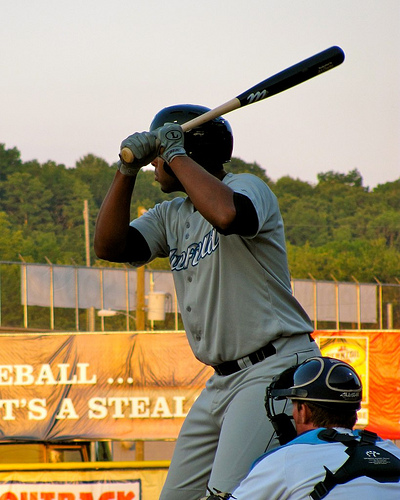 Art Charles: Strikeouts and walks are going to come. They are both part of the game. So far this season I have struck out more than I would have liked to, but that’s part of my learning process as a player. With those strike outs I have learned about how I might be pitched in counts, to be patient and get good pitches to drive, to see pitches up, and much more. It’s all part of the process that everyone goes through to get to the big leagues. Walks are also going to occur and that will be because I’m not chasing pitches, I’m being patient, and seeing the ball up. It’s easier said than done, but like I said it’s part of the process.
MLB reports: Long term what position do you see yourself playing? How do you see defense as part of your overall game?
Art Charles: Long term I see myself in the big leagues as a power hitting first baseman. I feel defense is just as important as hitting. I work on the both of them a lot because I know that if I want to become the player I envision myself becoming, I need to be good around the bag, pick up my teammates, and make plays. I feel that I am still improving defensively and will continue to get better. Defense is definitely part of my game I want polish.
MLB reports: If you had to look into a crystal ball, when do you see your expected time of arrival in the big leagues and what do you think you need to do most to get there?
Art Charles: If I could look into a crystal ball and see my expected time in the big leagues, I don’t know yet what I would see. I would like to be there within three years, but I am young and have a lot to work on and lots of improving to do. So I do not know at this moment what my expected time would be. There isn’t really one thing in particular to say I would need most to get there because to get to the highest level, you need it all.
MLB reports: Has pro ball been everything you expected it to be thus far? What are some of the highs and lows you have experienced thus far?
Art Charles: Pro ball has been everything I expected it to be and more. I can’t say there are any lows because I love what I do and I haven’t had any really long bus rides yet. But there are plenty of highs. One being which seeing myself improve as a player. There are many experiences playing that I have now, such as walk off wins, playoff pushes, fans, signing balls and playing for great skippers. Did I say the fans? I would have to say that one of my favorite things was having a little boy write me a letter thanking me for a handshake and telling me I was his favorite player. The fans are what make this game that much more fun and signing balls, bats, cards, and shirts was a great experience for me.
MLB reports: What do you do for fun when you are not playing baseball? Best friend(s) on the team that you most hang out with and what do you guys like to do to chill?
Art Charles: On a day off or after the game I like to lay down and relax to recharge my batteries a bit, listen to music, vibe out, stay up on my tweet game (@SirArthurC), talk to my family, and play Call of Duty (a favorite among players). Sometimes the guys will come to my room and we play video games or go to the mall. I have tons of movies so we watch movies, or play cards. The guys that you will probably catch me with the most are Aaron Sanchez, Christopher Hawkins, Cody Bartlett, Myles Jaye, Les Williams, or Noah Syndergaard.
MLB reports: Have you visited Toronto the city yet? How have you found the city thus far?
Art Charles: I have been to Toronto for a pre-draft workout in the Rogers Centre last year and it was a lovely place. I really enjoyed my brief stay, very nice city and even better people. The Rogers Centre was great and an unbelievable stadium.
MLB reports: If you could send one message to the Toronto Blue Jays fans, what would it be?
Art Charles: My message to the fans would be thank you for the love and support. It is very much appreciated and not forgotten. You guys are the best!
MLB reports: A big thank you to Art Charles for joining us today on the Reports. We wish you the best of luck on your baseball journey towards joining the Jays in Toronto one day. We definitely encourage all our readers to feel free to contact Art with your comments and questions on his Twitter handle. Art is very active on Twitter and is a must follow!
Please e-mail us at: MLBreports@gmail.com with any questions and feedback. You can follow us on Twitter and become a fan on Facebook . To subscribe to our website and have the daily Reports sent directly to your inbox , click here and follow the link at the top of our homepage.


 MLB Reports


You must be logged in to post a comment.